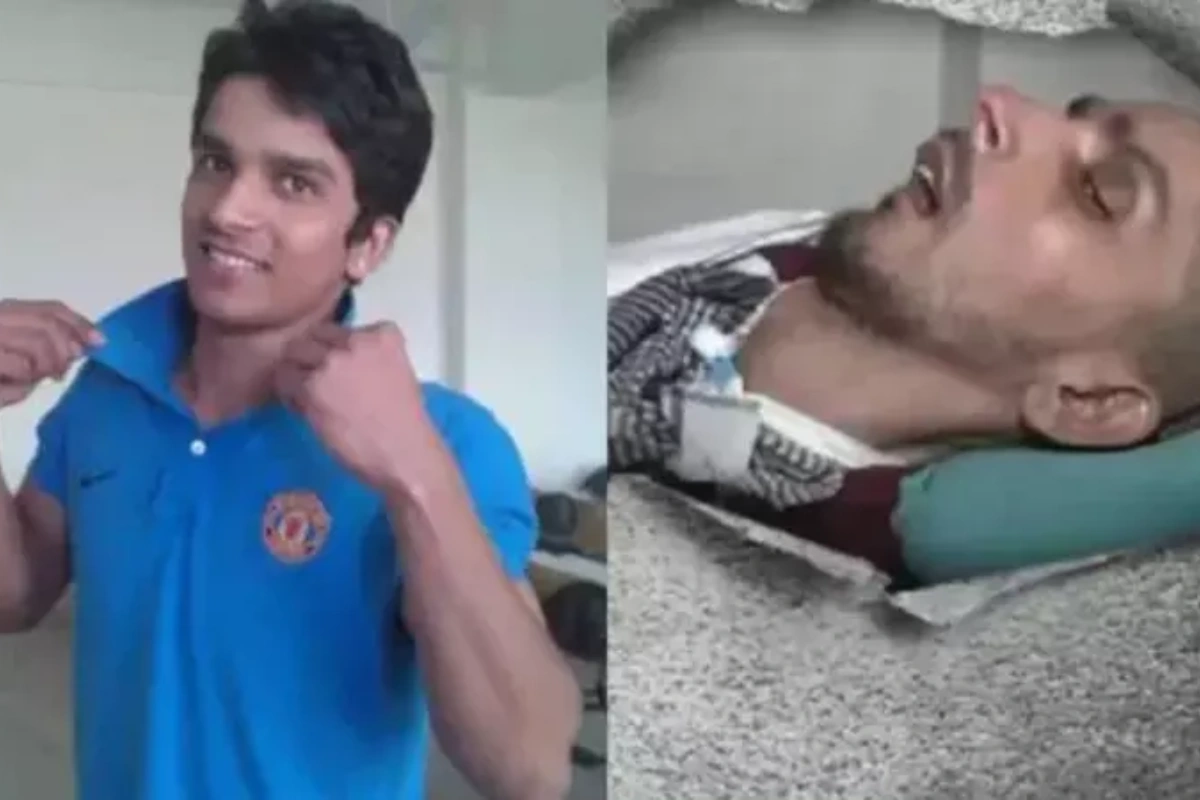
Harish Rana: The story of Harish Rana, who remained in a coma for 13 years, brought this issue into the public eye. It forced people to question an important truth: Is life only about survival, or does dignity matter equally?
The 13-Year Coma Story of Harish Rana
Harish Rana fell into a coma due to a serious medical condition and remained unconscious for 13 years, fully dependent on life support. His family faced years of emotional and financial struggle with no signs of recovery.
The Case That First Changed India’s Perspective
Before this, India had already witnessed a landmark case involving Aruna Shanbaug. Her case reached the Supreme Court of India, which made a historic decision to allow passive euthanasia under strict guidelines. This judgment marked a turning point in India’s legal and social approach to end-of-life care.
DON'T MISS
What is Euthanasia?
Euthanasia refers to ending a person’s life to relieve them from extreme suffering, especially when recovery is not possible.
It is generally considered in situations where:
- A person is in a permanent coma
- The illness is terminal
- Life is sustained only through machines
Active Euthanasia
Active euthanasia involves taking direct action to end a person’s life. Because it directly causes death, it raises serious ethical and legal concerns.
Passive Euthanasia
Passive euthanasia means allowing a person to die naturally by withdrawing or withholding medical treatment.
Difference Between Active and Passive Euthanasia
- Active euthanasia directly causes death, while passive euthanasia allows death to occur naturally.
- Active euthanasia is illegal in India, whereas passive euthanasia is legally permitted under specific guidelines.
How Harish Rana’s Case Changed Perspectives?
Harish Rana’s prolonged coma made people reflect on the meaning of life and dignity.It highlighted the emotional and financial burden faced by families. It also showed the limitations of medical science.