

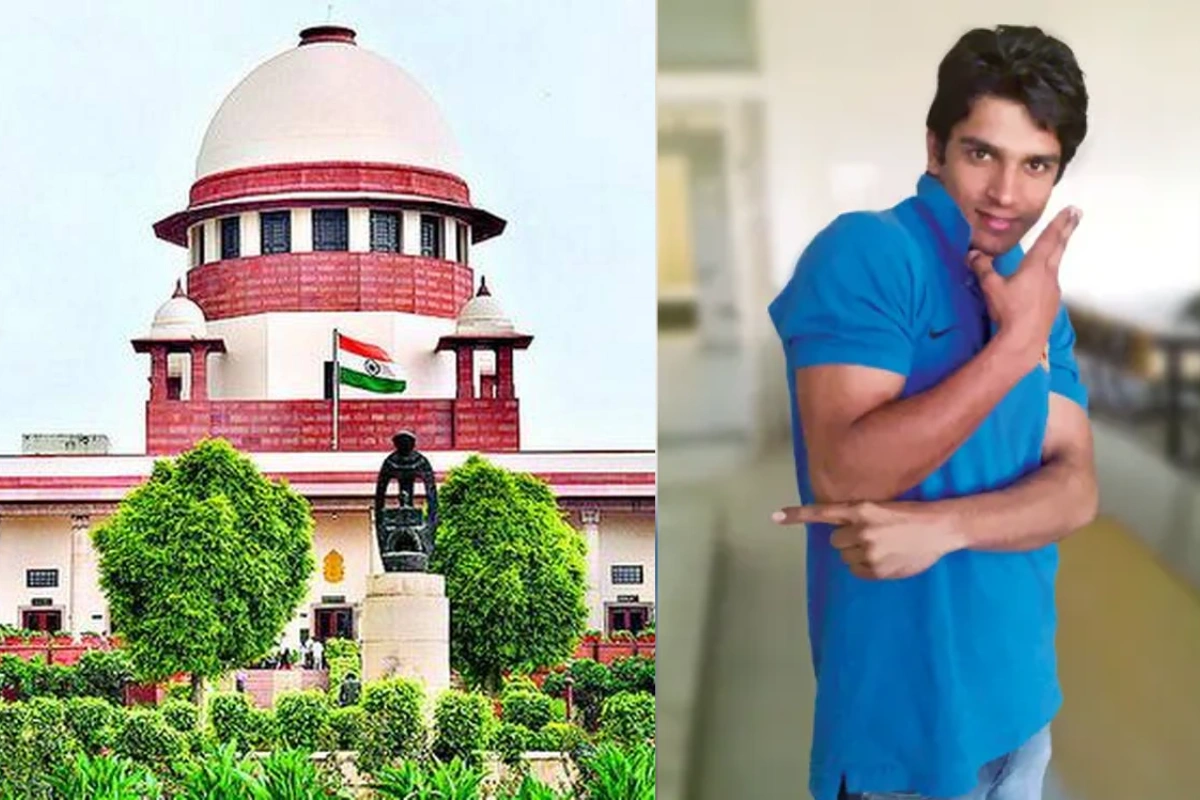
In a significant legal development, the Supreme Court of India has allowed passive euthanasia for Harish Rana in a landmark ruling.
Understanding Passive Euthanasia
“Passive euthanasia” refers to the withdrawal or withholding of life-sustaining medical treatment, allowing a patient to pass away naturally. This may involve stopping ventilators, feeding tubes, or other medical interventions when recovery is not possible. Unlike active euthanasia, passive euthanasia does not involve administering substances to cause death..
DON'T MISS
The Harish Rana Case
The case of Harish Rana reached the Supreme Court after concerns were raised regarding his medical condition and prolonged suffering. After reviewing medical reports and legal arguments, the Court concluded that allowing passive euthanasia would respect the patient’s dignity and right to die with dignity. The decision was taken after careful examination of medical evidence, legal safeguards, and ethical considerations to ensure that such permission is granted only under strict conditions.
What the Supreme Court Observed?
While delivering the verdict, the court held that human dignity must be respected even at the end of life. It noted that when a patient is suffering from an irreversible condition with no chance of recovery, continuing life support indefinitely may not always be in the patient’s best interest.
Possible Impact on Future Cases
Legal experts believe this verdict could set an important precedent for similar cases in the future. It may help families and doctors make difficult medical decisions in situations where patients face prolonged suffering due to terminal illness or irreversible medical conditions.
Ethical and Social Debate
The ruling has reignited debates across the country about medical ethics, patient autonomy, and the right to die with dignity. Supporters argue that it gives patients control over their end-of-life choices, while critics stress the need for strong safeguards to avoid misuse.


