

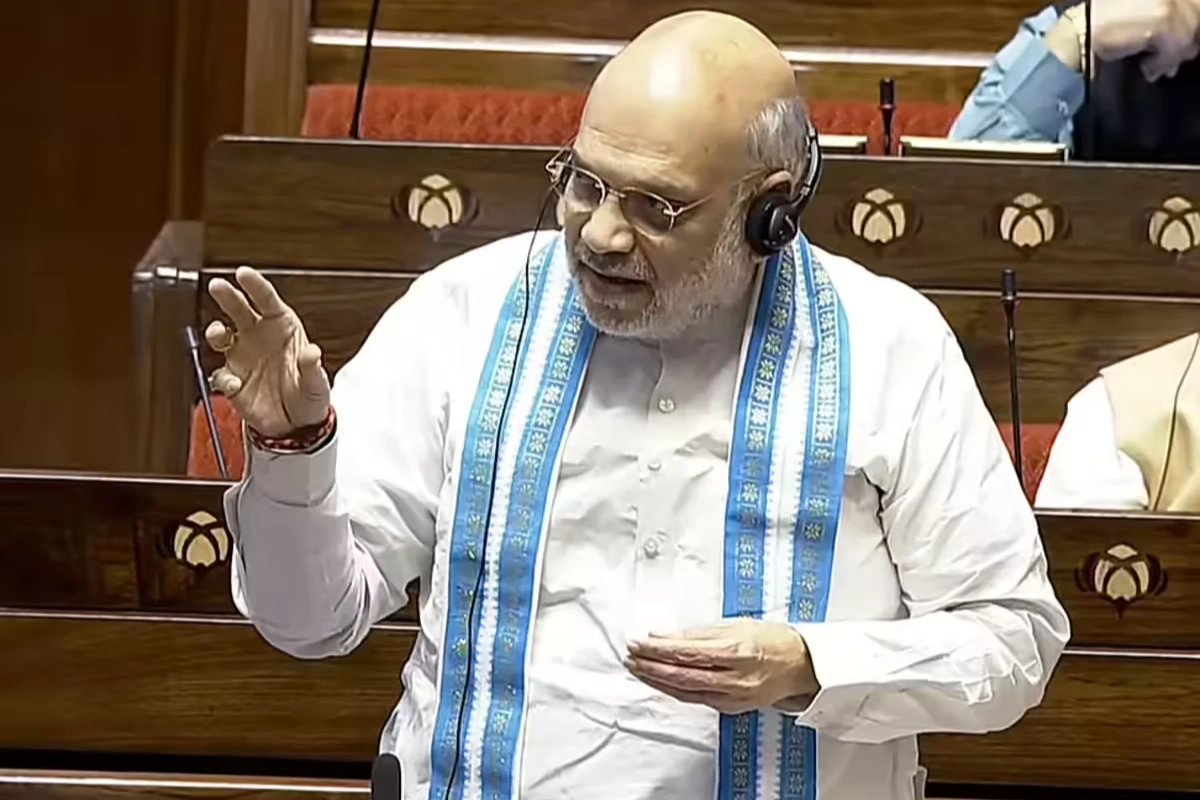
Amit Shah: On March 30, 2026, Union Home Minister Amit Shah told the Lok Sabha that India is now “Naxal-free.” Shah said that the insurgency was not caused by poverty but by the spread of leftist ideas and bad government in the past. He said that areas affected by Naxalism stayed poor because of ongoing violence, not because of a lack of economic development.
DON'T MISS
Shah specifically called out Congress leaders, including Indira Gandhi, for allegedly accepting Maoist support in the 1970s to gain political power. He said that these kinds of policies were what led to the long Red Corridor across 12 states.
Achievements in Security and Development
Shah said that by 2026, there were no more members of the central committee or politburo, which was a sign that Maoist leadership was gone. Either all of the leaders of the Dandakaranya state committee had been killed, arrested, or given up. He said that more than 5,000 security personnel had died in anti-Naxal operations and that development programs were now reaching places like Bastar that had been affected by conflict, making food security and infrastructure better.
Shah also blamed “urban Naxals” for ideological support and stressed how important strong government and security measures are for stopping the movement.
Response to Controversy and Opposition
Amit Shah: Shah’s comments caused a lot of anger, especially toward opposition leaders like Rahul Gandhi and P. Chidambaram, whom he said were sympathetic to Naxals but didn’t care about the victims, such as kidnapped children and farmers who had been hurt. People from the Congress party disagreed with what he said, saying that Naxals were like revolutionary figures like Bhagat Singh. Shah called this an attempt to justify violence.
The debate has brought back up the questions of what caused Naxalism in the first place, how to balance security operations with development, and who should be held responsible for the insurgency in India’s Red Corridor.


