

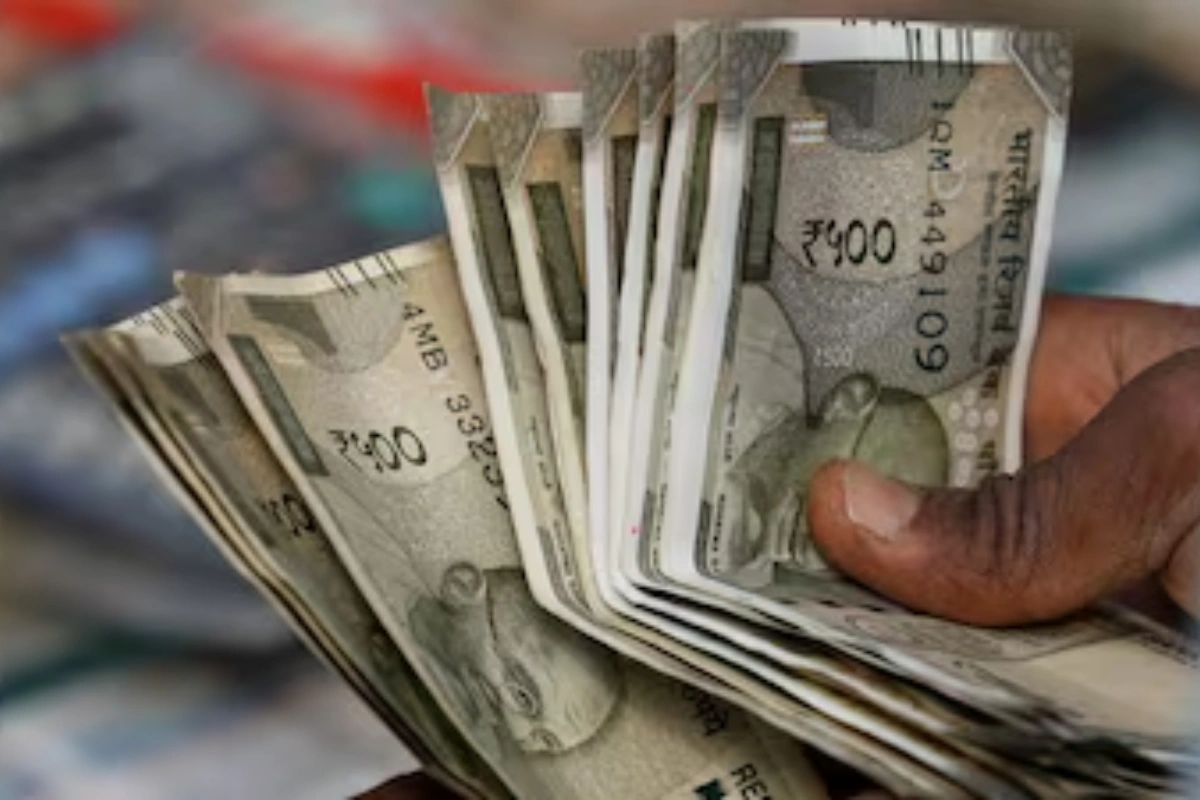
In a significant move ahead of the festive season, the central government has approved a 2% increase in Dearness Allowance (DA) for its employees and pensioners.
What is a dearness allowance, and why does it matter?
Dearness allowance is a cost-of-living adjustment provided to government employees and pensioners. It is revised periodically to help offset the impact of rising inflation. As prices of essential goods and services increase, DA ensures that the real income of employees does not decline significantly. The latest 2% hike may appear modest, but it directly increases monthly earnings and pension payouts, offering some relief against rising expenses.
DON'T MISS
Financial Impact on Employees and Pensioners
The increase in DA will lead to a rise in the overall salary structure of central government employees. Pensioners will also benefit from higher pension disbursements. This additional income can support everyday expenses, particularly during the festive season when spending typically rises.
Economic Implications of the DA Hike
Beyond individual benefits, the DA hike can have a broader economic impact. When millions of employees receive higher income, it often leads to increased spending. This rise in consumption can boost demand in sectors such as retail, consumer goods, and services.
Political Angle: Can It Influence Bengal Election 2026?
The timing of the DA hike has led to speculation about its potential political significance. Government employees and pensioners form an important section of the electorate. Policy decisions that directly impact their financial well-being can influence public sentiment. With the West Bengal Assembly elections in 2026, some analysts believe that such measures could play a role in shaping voter perception.
Is the 2% Increase Enough?
While the hike has been welcomed, there are mixed opinions regarding its adequacy. Some believe that the increase is a positive step, especially in the current economic environment.