

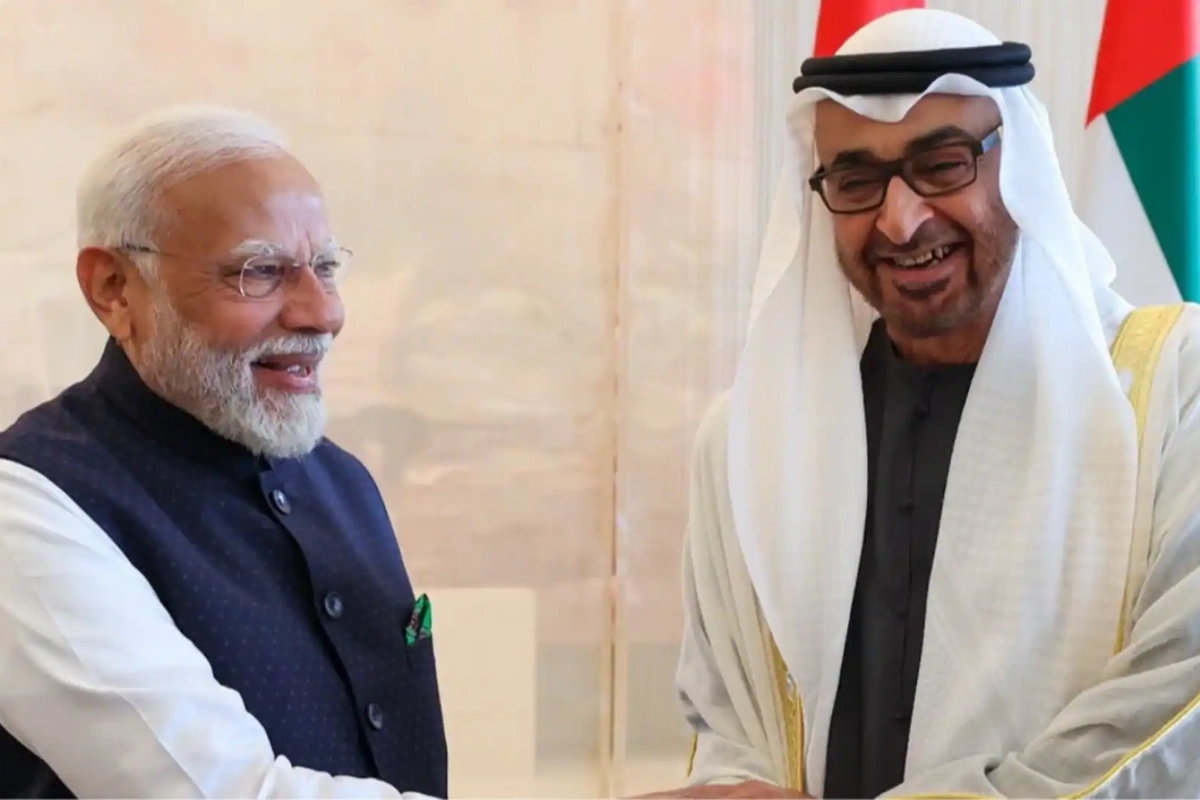
PM Modi: India’s Prime Minister Narendra Modi’s unscheduled stop in the UAE on his way to Europe is a sign of a desperate bid to protect India’s energy lifelines as tensions rise in West Asia. New Delhi is looking for quick diplomatic solutions – long-term supply contracts and strategic petroleum reserve cooperation – to reduce its exposure to disruptions through the Strait of Hormuz.
DON'T MISS
The visit is aimed at securing long-term LNG and LPG supply agreements, crude purchase arrangements and possibly strategic petroleum reserves coordination with Abu Dhabi, similar to past India-UAE energy deals and ongoing talks, officials say. Plans are also in place to expand routes through Fujairah and other Gulf hubs to avoid choke points and reduce delivery times where possible.
Short-term relief and structural reform
In the short term, signed pacts and emergency logistics coordination can stabilise flows and calm markets, particularly for LPG and spot LNG cargoes where there is flexibility. But analysts warn that deeper structural vulnerabilities – reliance on imports through Hormuz and tight storage capacity – mean resilience requires sustained diversification, SPR buildup and longer-term contracts beyond quick diplomatic fixes.
What could help?
Movement relies on concrete, binding supply commitments, more storage (both strategic and commercial) and alternative sourcing from producers outside the immediate conflict zone. Past long-term LNG and crude partnerships with the UAE provide a template for such deals, but wider diversification of suppliers and improvements in domestic capacity are still needed for lasting ease.
What to watch next:
PM Modi: Watch for announced MOUs on LPG, SPR cooperation and LNG supply volumes, and any logistics measures for Fujairah shipments; these will signal whether the stopover yielded only immediate risk mitigation or the start of a broader, durable energy security strategy.


