


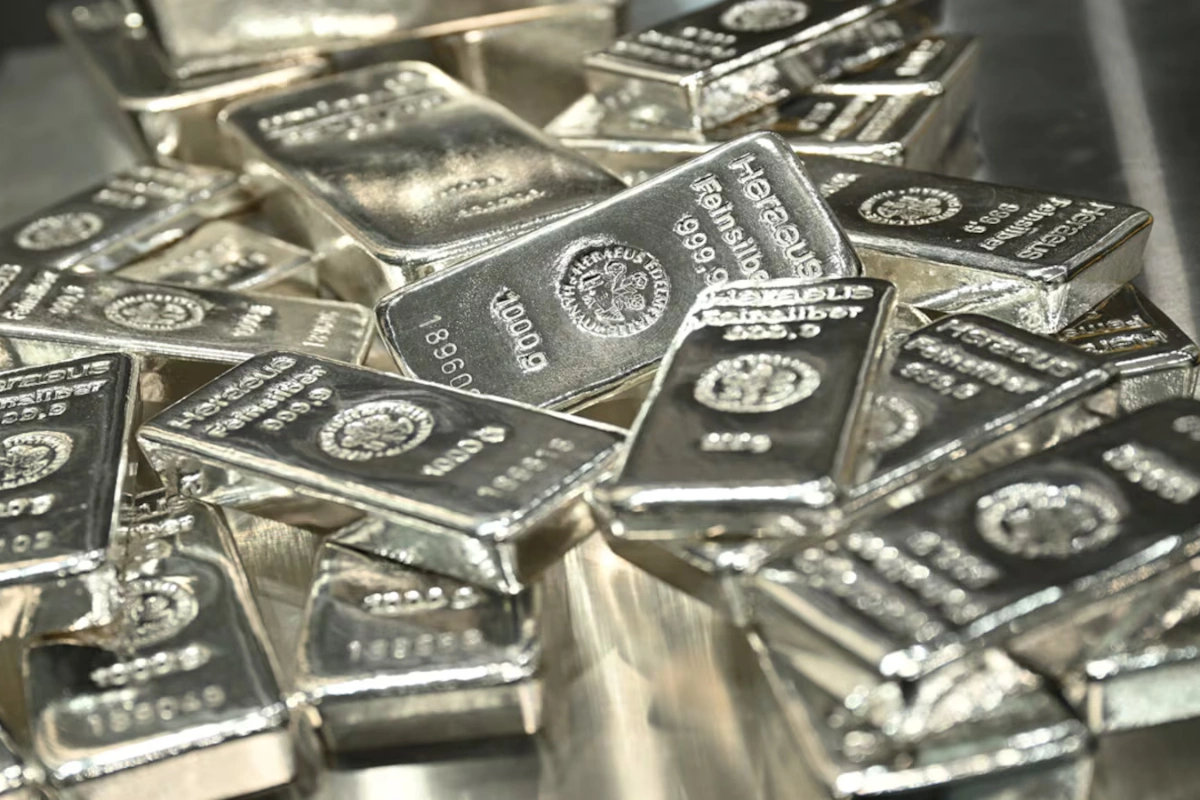
The Indian government’s sudden decision to move silver imports into the “restricted” category has sent fresh shockwaves across the bullion and commodity markets.
What Does the Silver Import Ban Mean?
Under the new policy framework, silver imports will no longer fall under the “free import” category. Instead, importers may now require additional approvals or licenses before bringing silver into the country.
DON'T MISS
Traders Already Under Pressure
The Silver Import Ban comes during a period when bullion traders are already struggling with rapid price movements in global commodity markets. Factors such as inflation concerns, currency fluctuations, and geopolitical conflicts have made silver prices highly volatile.
Possible Impact on Domestic Silver Prices
Experts believe the restrictions could potentially reduce the supply of imported silver in the domestic market. If demand remains strong while imports slow down, silver prices in India could rise further.
Industrial Demand Could Also Be Affected
Silver is not only used for jewellery and investment purposes but also plays an important role in electronics, solar panels, electric vehicles, and various industrial applications. Any disruption in imports may impact sectors that depend heavily on a stable silver supply. Industry observers are now assessing whether the restrictions could create shortages or lead companies to explore alternative sourcing strategies.
Are We Heading Into Choppy Waters?
The broader concern now is whether the Silver Import Ban is the beginning of a larger shift in India’s precious metals trade policy. With global economic conditions remaining uncertain, any additional restrictions or supply disruptions could intensify market volatility further. For now, traders and investors are expected to remain cautious as they wait for more clarity on how the restrictions will be implemented and what long-term impact they may have on India’s bullion ecosystem.