

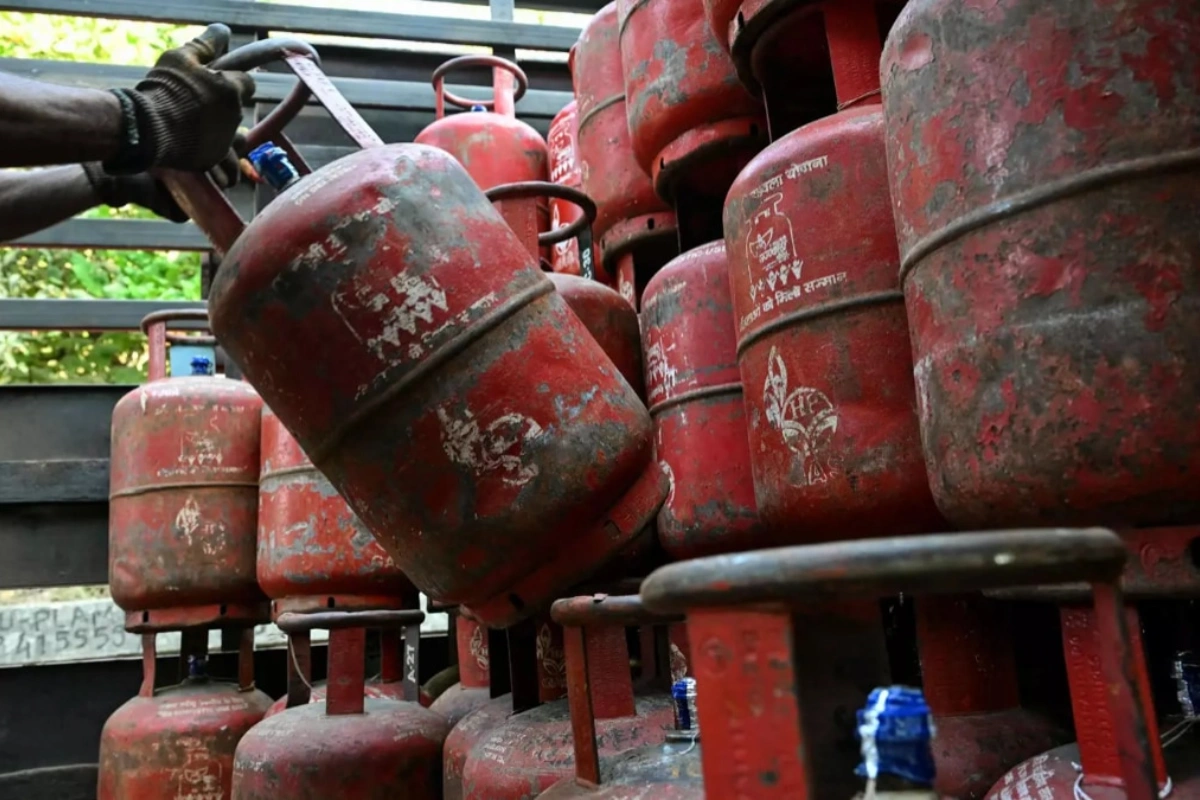
LPG Shortage: The Indian Government has invoked the Essential Commodities Act amid the ongoing global energy crisis because of Middle East crisis. This would make it mandatory for all oil and gas organisations in the country that are engaged in processing, production, storage, refining, import, export, consumption, transportation, marketing and distribution of natural gas and petroleum products to furnish their real-time, granular data to the Petroleum Planning and Analysis Cell (PPAC).
DON'T MISS
LPG Shortage-Turn Of Events
Sujata Sharma, joint secretary in the ministry of petroleum, remarked that a Gazette notification has been issued by the Union Government designating PPAC has the nodal agency to collect, compile, analysis and maintain information. Previously, PPAC was entrusted with the task of compiling oil & gas sector data but now it would seek real-time, granular data to plan proactively for emergencies.
Any order violation under Section 3 of the Essential Commodities Act would be treated as a criminal offence and could result in imprisonment.
Sharma commented that Indian refineries are presently operating at optimum capacity and added that the supply of crude oil is adequate. She went on to add that no dry outs have been reported and petrol pumps are functioning normally.
Advantages Of Real-Time, Granular Data
Real-time, granular data would help the government stay aware of how much oil & gas is getting produced, stored, imported and consumed on a daily basis. This proactive, data-driven approach would help the country avoid or at least soften any future energy shocks.
What Does The Essential Commodities Act Do?
The ECA allows the Union Government to consider specific goods including medicines, foodgrains, fuel and fertilisers as “essential” for public welfare. The law helps the Union Government to order refineries in the country to maximise LPG production. It also helps them divert butane and propane away from petrochemicals to LPG. The government has also directed state-owned oil companies like HPCL, BPCL and IOCL to prioritise household LPG users ahead of commercial LPG users.


