


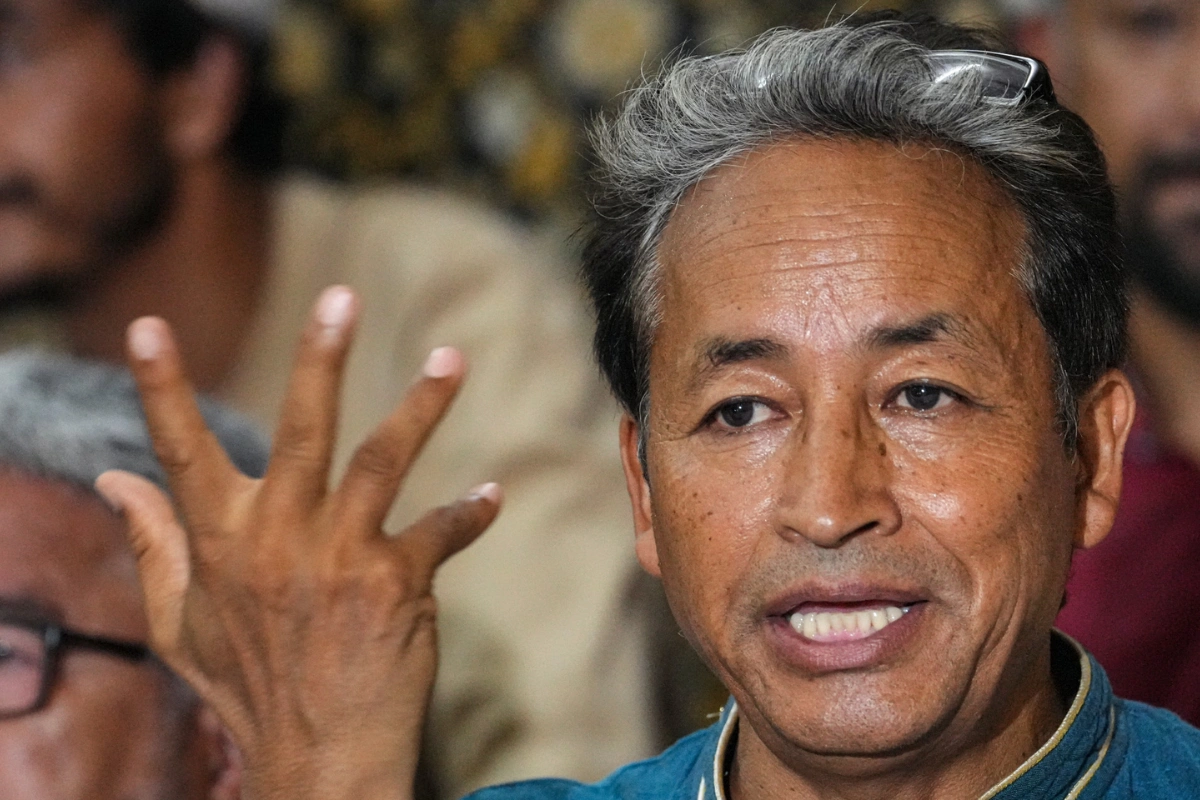
A political controversy erupted on Wednesday after several opposition Members of Parliament (MPs) were reportedly prevented from meeting activist Sonam Wangchuk at Medanta Hospital in Gurugram, where he is currently receiving treatment. The incident triggered protests outside the hospital, with opposition leaders accusing authorities of restricting democratic access and transparency.
DON'T MISS
Opposition MPs Stopped from Meeting Sonam Wangchuk Outside Medanta Hospital
According to reports, a delegation of around 15 opposition MPs arrived at the hospital to inquire about Wangchuk’s health and express solidarity. However, they were stopped from entering, leading to a tense standoff outside the medical facility. The lawmakers questioned why elected representatives were denied access to meet the social activist.
Sonam Wangchuk, a renowned engineer, education reformer, and environmental activist, has been undergoing treatment after an extended hunger strike. Medanta Hospital stated that he remains in the Intensive Care Unit (ICU), is conscious, oriented, and in stable condition while continuing to receive close medical supervision.
The developments come amid heightened political attention
The opposition criticized the restrictions, arguing that preventing MPs from meeting Wangchuk raises concerns about transparency and the handling of his medical care. Some leaders described the move as an unnecessary limitation on democratic engagement and demanded an explanation from the authorities.
The developments come amid heightened political attention surrounding Wangchuk’s ongoing protest and health condition. His hunger strike has drawn nationwide support from activists, civil society groups, and political leaders, while also prompting legal proceedings that led to his transfer to Medanta Hospital for specialized medical care.
As the situation continues to unfold, political parties are expected to intensify their demands for greater transparency regarding Wangchuk’s treatment and the restrictions imposed on visitors. The incident has further fueled debate over the rights of protesters, public accountability, and democratic access during politically sensitive situations.