


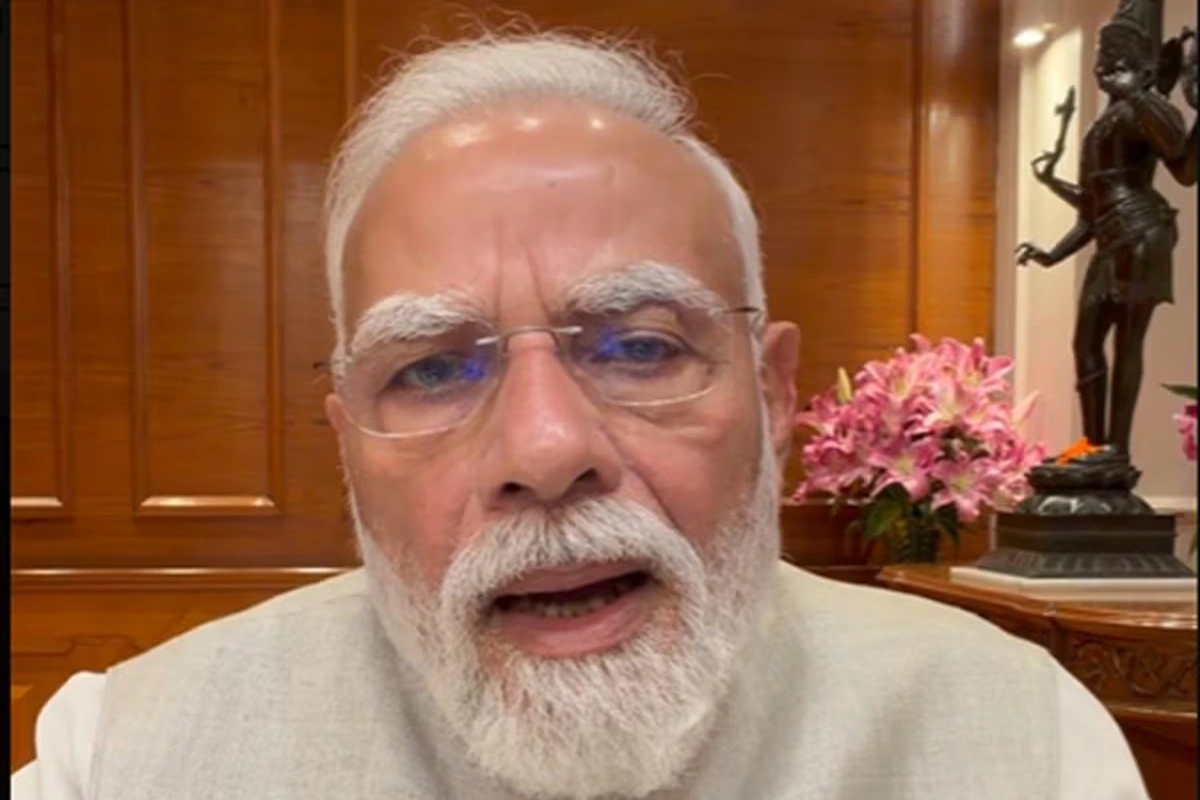
PM Modi: Prime Minister Narendra Modi has asked for forgiveness, not revenge, as according to him even those people who have mistreated him and his deceased mother must be guided rightly, not hated upon. The remarks made by PM Modi have caused national-wide debate about the role of compassion in ending the political debate that continues till now.
DON'T MISS
PM Modi Asks for Forgiveness, Not Revenge
Prime Minister Narendra Modi made it clear that according to his beliefs, the best way to handle criticism and personal attacks is to forgive rather than retaliate against it. It is necessary for all individuals to try to guide others the right way instead of hating or avenging their wrongdoings.
Critics Also Deserve the Right Guidance
According to PM Modi, every person is capable of becoming better if guided properly. It is wiser to react to any situation with patience than to be angry over it.
Political Reactions and Public Debate
His remarks have triggered mixed reactions across political circles and social media. While supporters praised the message of reconciliation, critics said the controversy still raises important questions that need to be addressed.
Ruchika Singh’s Apology Sparks a New Political Conversation
Ruchika Singh expressed in her video of apology that she deeply regretted using abusive language towards the Prime Minister of India, Narendra Modi and also apologized to the whole nation. She claimed that she had been influenced by other people, recognized that what she had done was wrong and felt so ashamed that she could not even look up in the eye.
Can a Message of Forgiveness Help End the Political Controversy?
Prime Minister Narendra Modi’s statement has shifted attention from confrontation to reconciliation. By urging compassion and guidance instead of revenge, he has raised an important question: can a message of forgiveness help reduce political tensions and bring the ongoing controversy to a close? While reactions remain divided, his remarks have sparked a broader debate on resolving differences through dialogue rather than conflict.