

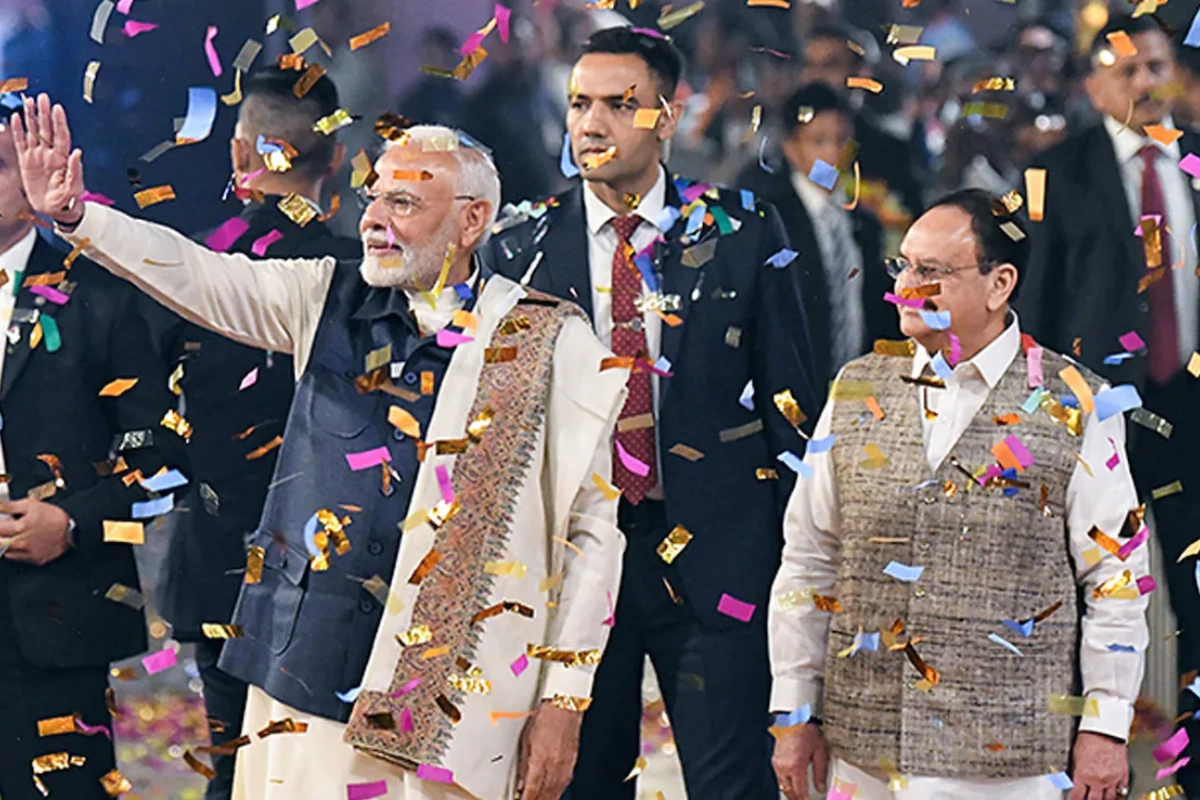
PM Modi: When Narendra Modi took the oath on May 26, 2014, India was viewed globally as a strategically hesitant nation, cautious to a fault. Twelve years later, as he completes 4,399 uninterrupted days in office—surpassing Jawaharlal Nehru’s record of 4,398 consecutive days—the country is unrecognisable from the one he inherited. This historic tenure has fundamentally transformed India’s constitutional structure, security doctrine, economic identity, and global stature, ushering the nation into a new era of nidarta (fearlessness).
DON'T MISS
The August 2019 abrogation of Article 370
The structural realignment began internally. The August 2019 abrogation of Article 370 dissolved Jammu & Kashmir’s special status, fully integrating it into the Indian Union. This move replaced decades of political uncertainty with economic momentum, driving a massive tourism surge and positioning the region for a projected 7.06% GDP growth in FY2024–25.
Operation Sindoor
Simultaneously, India’s defence posture underwent a definitive revolution. Following the Pahalgam terror attack in April 2025, the administration abandoned old policies of strategic restraint. Under Operation Sindoor (May 7–9, 2025), Indian armed forces executed precision missile strikes, destroying nine terror facilities across Pakistan and PoK. The operation permanently drew a new red line: any cross-border terror act will now be treated as an explicit act of war.
Socio-Economic Scaling and Poverty Alleviation
PM Modi: Domestically, the administration leveraged robust digital public infrastructure to execute welfare at an unprecedented scale. Direct benefit transfers via initiatives like the PM Awas Yojana and Jan Dhan accounts bypassed systemic corruption, lifting over 200 million citizens out of poverty. This massive stabilisation propelled India from the vulnerable “Fragile Five” to the world’s fourth-largest economy, establishing a clear roadmap toward becoming a fully developed Viksit Bharat by 2047.


