

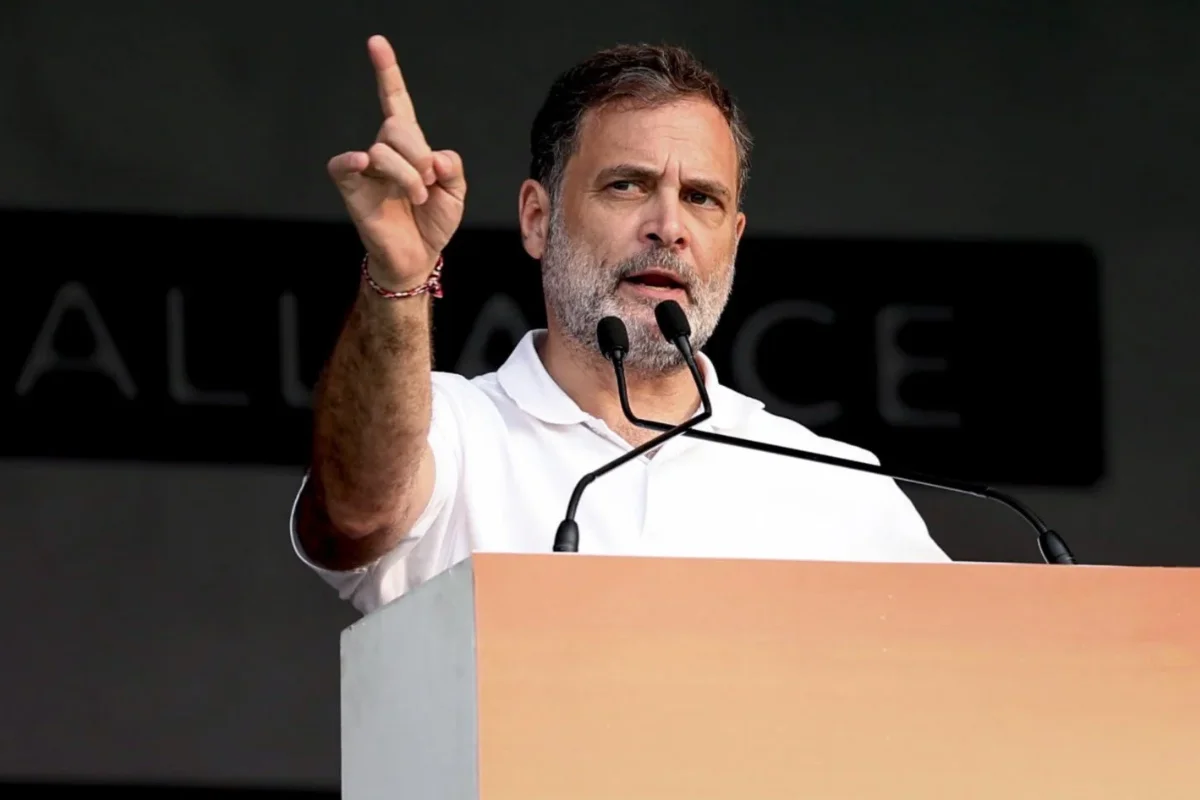
Congress leader and Leader of Opposition in the Lok Sabha Rahul Gandhi has urged Dravida Munnetra Kazhagam (DMK) president MK Stalin to join the INDIA bloc in opposing the Centre’s proposed delimitation-related Constitutional amendment Bills. Gandhi said senior INDIA bloc leaders were travelling to Chennai to meet Stalin and seek the DMK’s support against the proposed legislation.
In a post on X, Gandhi warned that increasing the Lok Sabha’s strength to 850 seats could, in his view, undermine democracy and give the BJP-RSS an opportunity to redraw India’s electoral map to suit their political interests. He called for a united opposition to defeat the proposed Bills, citing national interests, Tamil Nadu’s interests and the protection of the Constitution.
Rahul Gandhi Appeals for Opposition Unity
Referring to Stalin as his “brother”, Gandhi praised the DMK chief for what he described as his consistent stand against forces opposed to Tamil interests. He said the DMK and other INDIA bloc parties should work together to oppose the proposed constitutional amendments.
The Congress leader’s appeal comes amid differences within the opposition alliance over the delimitation proposals. While Congress has called for the legislation to be opposed, the DMK has announced its support for the Centre’s revised proposal, saying its key concerns regarding Tamil Nadu’s representation have been addressed.
MK Stalin Reiterates DMK’s Stand on Tamil Nadu’s Interests
Responding to Gandhi’s message, Stalin thanked him for acknowledging the DMK’s role in protecting the Constitution and the rights of states. However, he maintained that the party would continue to make decisions by keeping the interests of Tamil Nadu and its people at the forefront.
Stalin said the DMK would not compromise on this position and expressed confidence that history would judge the party by its commitment to Tamil Nadu. The DMK has said its support for the proposed legislation is based on assurances concerning the state’s share of Lok Sabha seats and the preservation of the existing proportion of parliamentary representation among states based on the 1971 Census.


