

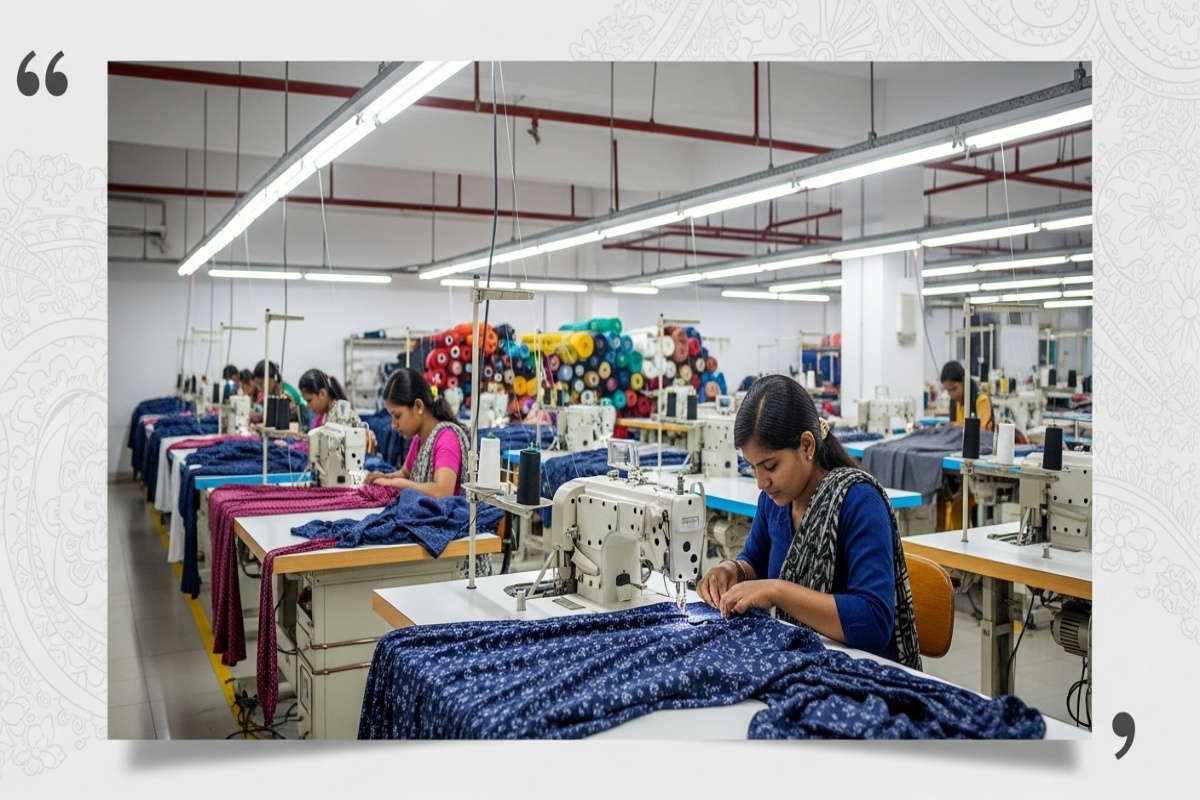
India is emerging as a major beneficiary of global fashion brands diversifying their manufacturing operations away from Bangladesh amid labour unrest, rising production costs and political uncertainty in the neighbouring country. International retailers, including Zara, H&M, Marks & Spencer and Celio, have reportedly shifted a significant volume of garment orders to alternative manufacturing hubs, with India receiving the largest share.
DON'T MISS
According to a Reuters report published on November 27, around $254 million worth of orders were diverted from Bangladesh between November 1 and 18, citing three garment factory owners. India received most of the business, while Vietnam, Cambodia and Indonesia also attracted orders as global brands sought to reduce supply-chain risks.
The development could create fresh opportunities for India’s textile and apparel industry, particularly as international retailers look for reliable suppliers capable of meeting production deadlines and maintaining quality standards.
Bangladesh’s Garment Industry Faces Growing Challenges
Bangladesh has long been one of the world’s leading garment manufacturing destinations, supported by competitive labour costs and large-scale production capacity. However, recent labour unrest, energy shortages, rising wages and political uncertainty have disrupted operations and affected its cost competitiveness.
The Bangladesh Garment Manufacturers and Exporters Association (BGMEA) has estimated that recent protests have caused more than $400 million in production losses.
The garment industry is particularly important to Bangladesh’s economy, accounting for more than 80% of the country’s export earnings and nearly 40% of its manufacturing jobs.
The country also approved a 36% increase in the minimum wage for garment workers. However, the revised wages fell short of workers’ demands and triggered further protests and clashes, adding to concerns among manufacturers and international buyers.


