Home Blog Page 171

CM Yogi Adityanath to Launch and Lay Foundation Stones for 71 Development Projects in Gorakhpur

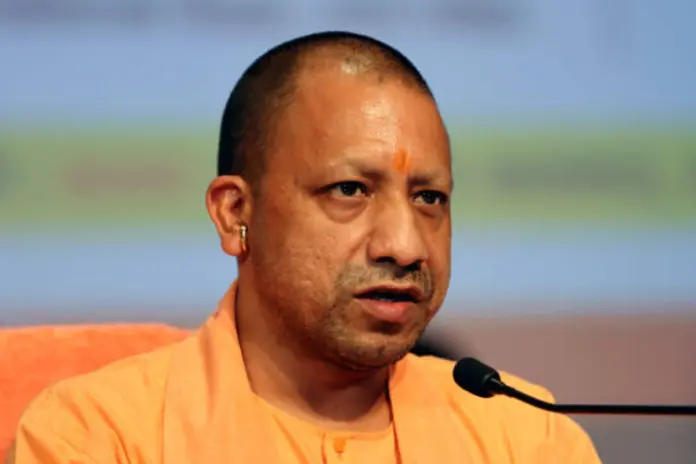
Uttar Pradesh CM Yogi Adityanath is set to participate in a programme in Gorakhpur where development projects worth approximately ₹208 crore will be inaugurated and launched for implementation.

CM Yogi Adityanath to Launch and Lay Foundation Stones for 71 Development Projects

The projects include a newly developed Flatted Factory Complex and an Economically Weaker Section–Low Income Group (EWS-LIG) residential complex in the Gorakhpur Industrial Development Authority (GIDA) area. In total, 71 development projects are scheduled for inauguration and foundation stone laying during the event.

The Chief Minister stated that the projects are expected to strengthen industrial infrastructure

As part of the programme, industrial plot allotment letters and housing allotment documents will also be distributed to beneficiaries. In addition, youth who have completed training through the National Institute of Electronics and Information Technology (NIELIT) Skill Centre will receive certificates recognizing their successful completion of skill development programmes.

The Chief Minister stated that the projects are expected to strengthen industrial infrastructure, promote investment, and create employment opportunities in the region. The flatted factory complex is aimed at supporting entrepreneurs and small industries by providing modern industrial facilities, while the housing projects are intended to improve access to affordable accommodation.

According to the state government, the initiatives will contribute to economic growth, industrial expansion, and skill development in eastern Uttar Pradesh. Officials believe the projects will open new opportunities for thousands of young people and support the state’s broader goal of promoting entrepreneurship and self-reliance.

The programme forms part of the government’s ongoing efforts to accelerate industrial development and advance the vision of an “Atmanirbhar Uttar Pradesh” through infrastructure expansion, employment generation, and investment promotion.

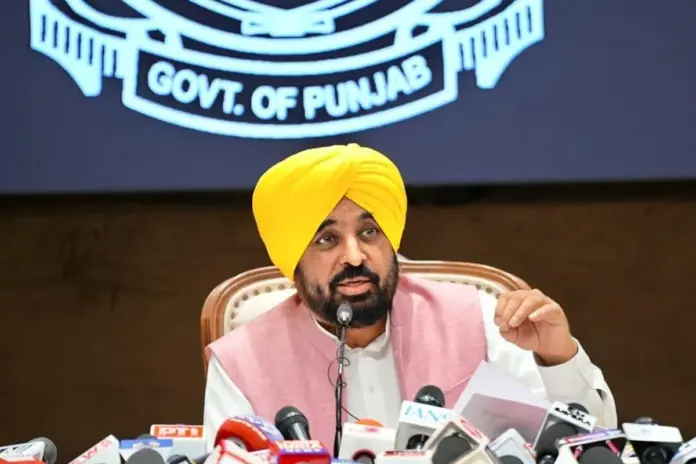
Bhagwant Mann Conducts 499 Raids in Statewide Anti-Gangster Crackdown, 221 Arrested

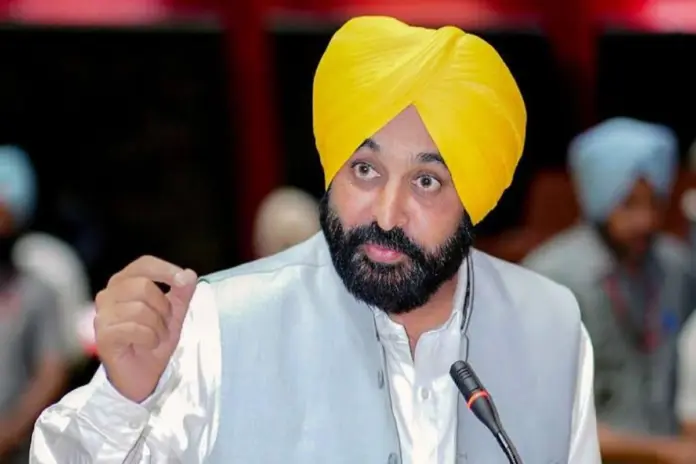
Bhagwant Mann has continued its ongoing campaign against organized crime under the initiative titled “Gangstran Te Vaar,” carrying out large-scale operations across the state to target gangster networks and criminal elements.

Bhagwant Mann Conducts 499 Raids in Statewide Anti-Gangster Crackdown

According to official information, police teams, in coordination with the Anti-Gangster Task Force (AGTF), conducted 499 raids at identified locations across Punjab as part of Day 133 of the campaign. The operations resulted in the arrest of 221 individuals, including three proclaimed offenders who were wanted in various cases.

During the raids, law enforcement agencies also recovered two weapons. The action forms part of Punjab Police’s broader strategy to dismantle gangster networks, curb criminal activities, and strengthen public safety across the state.

Officials stated that intelligence-based operations

Officials stated that intelligence-based operations and coordinated enforcement measures are being carried out regularly to monitor and disrupt organized crime. The police department has emphasized a policy of zero tolerance toward gangsterism and criminal activities.

With the latest action, the total number of arrests made since the launch of the anti-gangster campaign has reached 33,340, according to Punjab Police data.

The department reiterated its commitment to maintaining law and order and ensuring a safer environment for citizens. Authorities have also encouraged the public to share information related to criminal activities through the Anti-Gangster Helpline, assuring confidentiality for those providing information.

Punjab Police said the campaign will continue with sustained enforcement actions aimed at weakening criminal networks and enhancing security throughout the state.

From Youth Congress Activist to Karnataka’s 34th Chief Minister: D.K. Shivakumar’s Political Journey Explored

DK- Shivakumar
Google

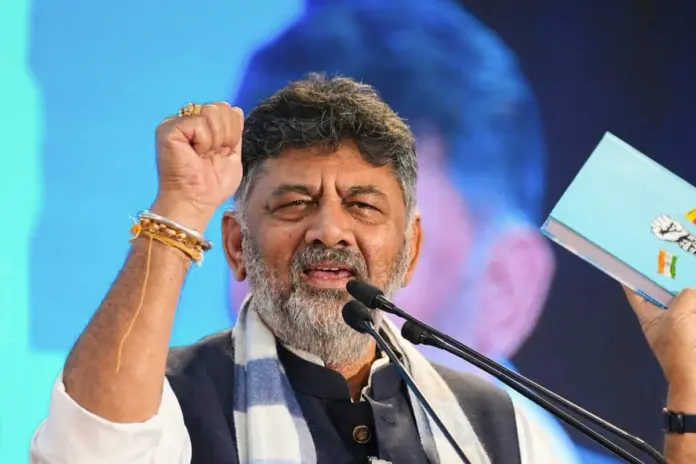
DK Shivakumar: On June 3, 2026, a decades-long dream finally becomes reality. D.K. Shivakumar — a farmer’s son, Congress loyalist, and one of Indian politics’ most tenacious survivors — is being sworn in as Karnataka’s Chief Minister. His journey from student activist to the state’s top chair is one of grit, resilience, and an unshakeable belief that his time would come.

The Making of a Political Fighter: NSUI to Youth Congress

Born on May 15, 1962, into the influential Vokkaliga community in Karnataka. At just 18 years of age, he actively participated in student politics and quickly rose through the ranks. While studying at Ram Narayan Chellaram College in Bangalore, he joined the Youth Congress and was elected its General Secretary for the State Unit.

Early Losses, Bigger Lessons

At 23, he got the ticket to contest assembly elections against political heavyweight H.D. Deve Gowda from the Sathanur constituency. By then, he was the Karnataka Youth Congress president. Though he lost the election by a narrow margin, he never looked back in politics from then on. Two years later, he won the 1987 district panchayat election from Sathanur, and in 1989.

Kanakapura Bande: Karnataka’s Ultimate Troubleshooter

Shivakumar played a key role in initiating the Rajiv Gandhi Yuva Shakthi Sanghatan, empowering youth toward rural development and social work. During 2013–2018, he served as Minister of Energy and initiated the building of India’s largest solar power plant in Pavagada, Tumkur. One of the defining moments in his career came during the 2017 Gujarat Rajya Sabha elections, when he successfully managed Congress MLAs during a major political crisis — earning him the reputation of the party’s ultimate crisis manager.

Controversies That Could Not Stop Him

DK Shivakumar: In 2019, he spent two months in jail over illegal asset allegations. Former Congress chief Sonia Gandhi visited him in jail to encourage him, and he was released on bail after two months. The episode tested him, but did not break him. After becoming KPCC president in 2020, he successfully led Congress to victory in the Karnataka assembly elections three years later.

The Congress Legislature Party unanimously selected Shivakumar as its leader following the resignation of Siddaramaiah. The swearing-in ceremony on June 3, 2026, at the Glass House in Lok Bhavan, Bengaluru, was kept deliberately simple, with party leaders urging supporters not to crowd the venue.

Iran Fired First, Qeshm Paid the Price! Inside CENTCOM’s Dramatic Counterstrike In Latest US-Iran War Escalation

US- Iran- War
Google

US Iran War: The simmering US-Iran conflict has erupted into its most intense exchange of fire yet. In a dramatic sequence of events on June 2, 2026, Iran launched ballistic missiles toward two US-allied Gulf nations, targeted civilian vessels with attack drones, and triggered a swift and calculated American military response.

Iran Strikes First — Missiles at Kuwait and Bahrain

CENTCOM confirmed that Iran fired several ballistic missiles toward regional neighbours, though all failed to strike their intended targets. Two missiles fired toward Kuwait either fell short or disintegrated mid-flight, while three missiles launched at Bahrain were successfully intercepted by US and Bahraini air defence systems.

CENTCOM Hits Back: Qeshm Island Targeted

The American response was rapid and precise. US fighter aircraft swiftly responded by eliminating Iranian air defences, a ground control station, and two one-way attack drones that posed clear threats to ships transiting regional waters. CENTCOM confirmed the self-defence strikes on the Iranian military ground control station on Qeshm Island in the Persian Gulf, stating that no US personnel were harmed.

The strikes came in direct response to Iran’s shootdown of an American MQ-1 surveillance drone operating over international waters. Notably, the hardware destroyed on those islands included Chinese-supplied JY-27A radar systems and HQ-9 missiles.

Iran Retaliates Again — Fifth Fleet in the Crosshairs

Tehran refused to stand down. Iran stated it targeted the headquarters of the US Fifth Fleet in Bahrain and a ship identified as Pananya. The US confirmed that all Iranian attacks on American forces failed, with missiles and drones either intercepted or falling short of their targets.

The Oil Tanker Incident That Lit the Fuse

US Iran War: Tuesday night’s hostilities appear to have begun when the US military used a Hellfire missile to disable a Botswana-flagged oil tanker heading toward an Iranian port on Kharg Island after the ship failed to comply with the US blockade of Iranian ports. CENTCOM identified the vessel as M/T Lexie, which was travelling through international waters toward Kharg Island — Iran’s primary oil export terminal — after ignoring US directives over a 24-hour period.

Mamata Banerjee’s TMC On The Verge Of Split? Can Former CM Quell Dissent, WB LoP Debate Hots Up

Mamata- Banerjee
Google

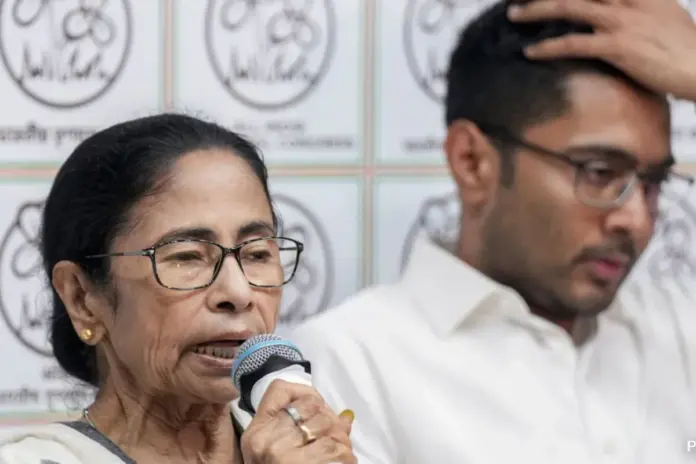
Mamata Banerjee: The politics in West Bengal have witnessed some sort of tension due to certain reports that point toward internal dissension within the Trinamool Congress. Talking about the conflict revolving around the post of LoP in the state government, the issue has reached its peak following reports regarding certain legislators supporting Ritabrata Banerjee.

Publicly Emerging Internal Dissent

In recent times, political events have revealed how there are many issues of dissent within the leadership of the Trinamool Congress. It has been reported that some legislators are in favor of Ritabrata Banerjee amidst the controversy surrounding the LoP. This has created quite a buzz in West Bengal.

LoP Debate Heats Up

The LoP debate has been a topic of intense political speculation due to the differences in opinions in the political landscape.

TMC Leadership under Increasing Pressure

With all the talk surrounding the problem, it is only natural for the pressure to be on the leadership of Mamata Banerjee. It is believed that the leadership might find itself compelled to reach out to the dissidents and work towards solving the problem before it gets worse.

Opposition Parties Seize the Opportunity

It appears that the developments are not lost on political rivals who have been keenly observing the developments. There is no doubt that opposition parties will make use of the situation and bring to light the instability of the ruling party.

Ritabrata Banerjee Emerges As A Key Figure

Despite being expelled from the party earlier, Ritabrata Banerjee has once again found himself at the center of political discussions. The reported support he has received from some legislators has added a new dimension to the ongoing debate and increased curiosity about the future political equations in the state.

Academic Competition or a Personal Vendetta? Khan Sir Alleges Rival Institutes Behind Attack on His Patna Coaching Hub; Check

Khan- Sir
Google

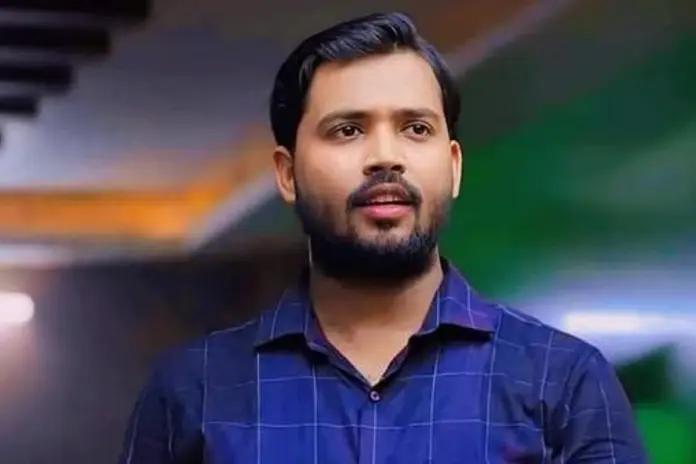
One of India’s most beloved educators, Khan Sir, is at the centre of a shocking controversy after a violent incident outside his coaching institute in Patna’s Musallahpur Haat area. What began as a late-night disturbance has now spiralled into a full-blown allegation of organised intimidation — with a rival coaching centre squarely in the frame.

What Happened Outside Khan Sir’s Patna Institute?

Tension gripped the Musallahpur Haat area of Patna after a violent clash allegedly involving students and supporters linked to Khan Sir’s coaching institute and Gyan Bindu Coaching Centre. A security guard at the institute reportedly sustained injuries during the incident and was admitted to a hospital for treatment. The coaching institute’s banner was torn down during the disturbance, and senior police officials, including Patna SSP Kartikeya K. Sharma along with multiple police teams, arrived at the spot to restore order.

Khan Sir Points Finger at Rival Coaching Operators

Reacting to the incident, Khan Sir alleged a conspiracy and claimed rivalry among coaching centres was behind the attack. Speaking to ANI, he did not mince words: “The main issue seems to be why we are teaching for such low fees. Why are we getting such massive results? We appeal to the administration to keep security concerns in mind, recognising that the poor, too, have the right to an education.”

Khan Sir further alleged that the attackers vandalised his coaching office and fired shots during the incident. He also stated that CCTV footage has been handed over to investigators, and the institute’s security guard identified some of the alleged attackers as persons associated with a nearby coaching centre.

Both Sides Trade Allegations as Police Investigate

The situation is not straightforward. Representatives of Khan Classes alleged that individuals from the rival side opened fire, while Gyan Bindu Coaching Centre similarly accused persons linked to Khan Classes of firing during the clash. Patna Police issued an official clarification denying that any firing took place outside the coaching centre, stating that the matter was being treated as a case of physical assault and vandalism.

17 YO Student Shows Mirror To CBSE Officials, Impresses MPs, Committiee Seeks Answers

CBSE
Google

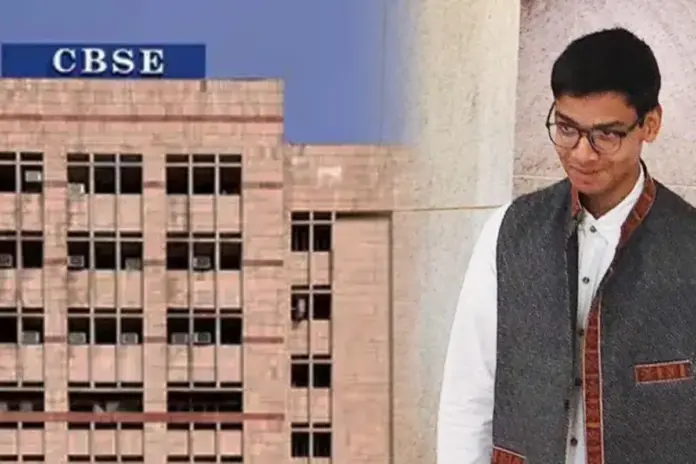
A story of perseverance and civic participation involving a student, Sarthak Sidhant from Ranchi, at the age of 17, has caught people’s attention on issues of the CBSE examination process. What began as a student asking pertinent questions is now leading to parliamentary discussions, having reached the parliament itself.

Student’s Queries Spread Outside The Classroom

The young individual is reported to have asked pertinent questions about certain matters related to the CBSE system which are of relevance to all students. Rather than leaving it at that, the student decided to take action to ensure the issue gets addressed.

Persistence Makes It A National Concern

What sets this news apart from others is the student’s determination to pursue the matter. By persistently working hard and presenting valid concerns, the issue gradually gained traction until it reached those involved in making decisions within the country’s government and parliament.

MPs Praise Efforts Made by the Teenager

The student’s actions have even caught the attention of some MPs, appreciating his concerns and efforts. His success will now inspire many teenagers to join debates about public policies, including that of education.

Parliamentary Committee Demands Explanation

In light of the emerging issue, a parliamentary committee was said to have asked for explanations from the relevant authorities. This shows the increasing need for transparency in areas of education and the well-being of students.

An Impressive Instance of Youth Involvement

This example clearly illustrates the impact of being involved with responsibility. It gives a glimpse of what youth can do to raise awareness about various issues affecting their surrounding environments.

Fan Frenzy Gone Wrong! Jahnvi Kapoor Left Stunned As Admirer Rushes Towards Ram Charan At Peddi Event, Check Details

Jahnvi- Kapoor
Google

Jahnvi Kapoor: A recent promotional event for Peddi has been all over the news after a surprising fan incident caused actress Jahnvi Kapoor to be caught off guard by a surprising action. The event took place when one of the fans charged towards Ram Charan, causing a bit of chaos at the promotional event.

Surprising Incident During Peddi Event

The event started well as Ram Charan interacted with the audience and the media. But the mood soon changed when an admirer managed to get to the stage and charge towards Ram Charan. This action caused a bit of surprise for some of the attendees.

Surprised Jahnvi Kapoor’s Reaction Goes Viral

In the course of the event, the surprised Jahnvi Kapoor could be seen to have been taken aback by the sudden occurrence. Her reaction was later captured and shared widely online by some of the fans watching.

Calm Ram Charan Deals With the Situation

The sudden disturbance in the event didn’t affect Ram Charan much, as he remained calm and interacted with the audience while security officials intervened to resolve the matter.

Security steps in quickly

Event security acted promptly and brought the situation under control within moments. No injuries or major disruptions were reported, and the event continued after the brief interruption.

Peddi Keeps the Momentum Going

Jahnvi Kapoor: Peddi is still another one of the most discussed upcoming movies. Featuring Ram Charan and Jahnvi Kapoor in lead roles, the movie has definitely made a huge splash, and every promotion is creating a lot of buzz.

Punjab Sikhya Kranti: 59 Govt School Students Crack JEE Advanced; Punjab Witnesses 34% Surge in IIT Qualifiers

Bains

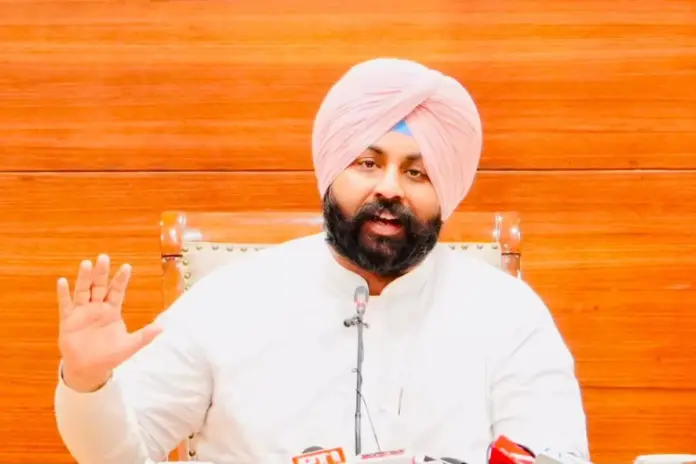
In a resounding endorsement of “Punjab Sikhya Kranti” initiative, 59 students from Punjab government schools have qualified JEE Advanced 2026, India’s toughest engineering entrance exam, registering a sharp 34% surge from 44 qualifiers in 2025, informed Education Minister S. Harjot Singh Bains.

Expressing delight over the achievement, Education Minister S. Harjot Singh Bains congratulated the 59 successful students, their parents and teachers, whose dedication made this feat possible.

Sharing the district-wise break-up, the Education Minister said that Patiala district emerged as the top-performing district with 11 qualifiers, followed by Sangrur with 7 students, while Ludhiana, Ferozepur and SAS Nagar secured six selections each. Fatehgarh Sahib saw 5 students qualify, while Amritsar and Jalandhar accounted for 4 each. Bathinda and Gurdaspur secured 3 selection each, Fazilka 2 and one each from Rupnagar and Hoshiarpur.

Calling it a turning point for government school education, S. Harjot Singh Bains stated, “This isn’t a one-time fluke. We went from 44 to 59 in a year. A village kid with grit can now beat the odds and crack India’s toughest exam, no lakhs of rupees spent on coaching bills. That’s what Punjab Sikhya Kranti looks like on the ground. Our students are cracking JEE Advanced from government school benches, not AC coaching centres. That’s the real revolution.”

“This result dismantles the myth that IIT success is reserved for elite private coaching hubs,” Bains said. “Through Punjab Sikhya Kranti’s targeted interventions and merit-based mentoring, our government schools are now producing top-tier engineering talent at scale. Every child in Punjab, regardless of background, can dream big and crack the country’s toughest exams.”

Attributing the breakthrough to systemic reforms, S. Harjot Singh Bains said the success stems from targeted interventions under the Chief Minister S. Bhagwant Singh Mann-led government’s ‘Punjab Sikhya Kranti’. The initiative provides free advanced coaching, upgraded infrastructure and dedicated mentoring for JEE and NEET aspirants in government schools.

S. Bains said opposition leaders had earlier dismissed the government’s coaching programmes as ‘electoral gimmicks’. “But the steady year-on-year rise in JEE and NEET qualifiers proves otherwise. Numbers don’t lie. Our government school students are now competing with the best in the country on equal footing.”

Behind every successful student lies a story of determination, sacrifice and aspiration, the Education Minister said, while adding that the success of Punjab Government school students in JEE Advanced is not just an examination result but proof of how educational opportunities can transform lives.

S. Bains highlighted the journey of Priya Bhardwaj from School of Eminence Bhagpur Sataur in Hoshiarpur. Raised by her single mother after her father’s death, Priya’s family survives on an annual income of Rs 1.44 lakh from her mother’s job in a private company. Despite financial hardship, she stayed committed to her studies and qualified JEE Advanced with support from the Punjab Government’s coaching and mentoring ecosystem. She now hopes to become an engineer and fulfil her late father’s dream.

Among the achievers is Prabhjot Singh from School of Eminence Mullanpur, SAS Nagar. His father works as a labourer and his mother is a homemaker. From a financially constrained background, Prabhjot prepared through academic support provided by the Punjab Government with constant encouragement from his teachers and principal. He dreams of becoming an engineer and supporting his family.

Similarly, Harsh Madhav from School of Eminence Amloh in Fatehgarh Sahib, said the free coaching, mock tests and mentorship provided by the Punjab Government helped him prepare for JEE Advanced. His father earns Rs 18,000 per month in a private company, and his family could not have afforded private coaching. He now aspires to secure admission to IIT Bombay and build a better future for his family.

International Kabaddi Stars Join AAP, Express Confidence in Party’s Pro-People Policies

Punjab News

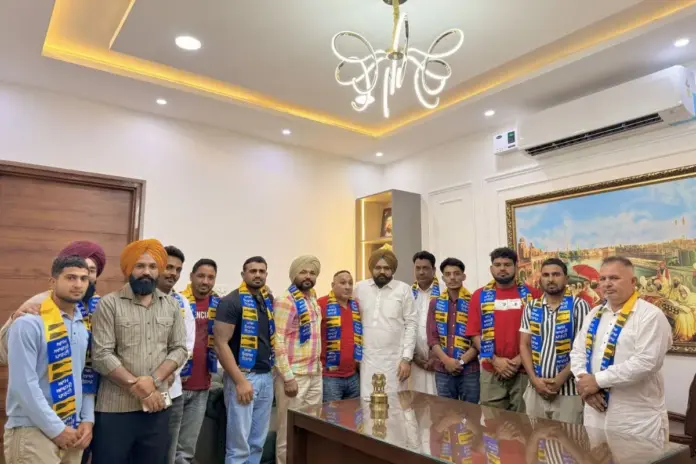
In a major boost to the Aam Aadmi Party (AAP), renowned international kabaddi player Kinda Biharipuria, popularly known as “Cheetah” in the kabaddi world, joined the party on Tuesday along with several other prominent sports personalities and social leaders.

The new entrants were formally welcomed into the party by Chief Minister Bhagwant Mann’s OSD, Rajbir Singh Ghuman, who said that the growing support from respected sportspersons and youth leaders reflects the people’s trust in the policies and governance of the AAP government.

Among those who joined the party were international kabaddi players Kinda Biharipuria, Jeeta Badalgarh, Babbu Jhaneri and Saima Ghrachon. Kabaddi players Malkit Singh and Barinder Singh also joined the party. In addition, noted referee Satgur Jhaneri, international commentator Kulbir Timberwal, youth leaders Amrinder Singh Rorian and Satnam Singh Virk, as well as Manjot Singh and Hardeep Singh, became members of the Aam Aadmi Party.

Welcoming the new members, Rajbir Singh Ghuman said that the AAP government under the leadership of Chief Minister Bhagwant Mann has been working tirelessly for the welfare of every section of society, including the youth and the sports community. He expressed confidence that the joining of these prominent personalities would further strengthen the party’s grassroots presence and help spread its message among the people.

The newly inducted members stated that they were impressed by the transparent and people-centric governance of the Bhagwant Mann government. They said that the government’s efforts in the fields of education, healthcare, employment, sports and public welfare inspired them to join the Aam Aadmi Party and contribute towards the development of Punjab.

CM Bhagwant Singh Mann Announces Historic KCC Reforms; enhanced credit limits to free farmers from debt traps & put more money directly into their hands

CM Mann

In one of the most far-reaching agricultural reforms undertaken in Punjab in recent decades, Chief Minister Bhagwant Singh Mann on Tuesday unveiled a sweeping overhaul of the Kisan Credit Card (KCC) system, transforming a 26-year-old framework that had long left farmers dependent on inadequate institutional credit and vulnerable to private moneylenders. The revamped policy significantly raises crop-wise credit limits in line with actual cultivation costs, lowers interest burdens, expands loan eligibility to high-value crops and allied sectors, introduces dedicated financial support for stubble management, and enables farmers to access funds through modern digital platforms such as ATMs and UPI.

Positioning the reforms as a major step towards making farming more profitable and sustainable, CM Bhagwant Singh Mann said the new KCC framework would put more money directly into farmers’ hands, accelerate crop diversification beyond the wheat-paddy cycle, strengthen cooperative credit institutions, and help free cultivators from debt traps. The reforms are expected to benefit over 13 lakh farmers across Punjab, with credit support for several crops rising sharply, including horticulture crops where loans can now go up to ₹1.57 lakh per acre compared to the earlier uniform limit of ₹32,000 per acre.

Addressing a press conference, CM Bhagwant Singh Mann said, “This is not merely a policy change but a historic initiative aimed at the economic liberation of Punjab’s farmers. We have removed red tape, ensured that more money reaches farmers directly in their bank accounts, and made it easier for Primary Agriculture Cooperative Societies and District Central Cooperative Banks to serve them efficiently. We have equipped our farmers with the digital tools of the 21st century, and they will now write a new growth story for Punjab.”

Highlighting the significance of the reform, the Chief Minister said the state government had broken 26 years of stagnation by replacing an outdated KCC system that had remained largely unchanged since 2000. “For more than two decades, Punjab’s farmers were forced to depend on an outdated and cumbersome KCC framework built around manual paperwork, cheques and passbooks. Previous governments allowed this situation to continue. Our government has replaced that 26-year-old system with a transparent, digital and significantly upgraded credit structure designed around the needs of modern agriculture,” he said.

CM Bhagwant Singh Mann said the revised policy would substantially increase the scale of finance available to farmers and ensure that institutional credit better reflects actual cultivation costs. “We have raised the Scale of Finance for wheat from ₹24,380 per acre to ₹30,000 per acre. Similarly, the scale of finance for paddy has been increased from ₹25,440 per acre to ₹39,000 per acre. This will provide farmers with the real financial support they deserve,” he said.

The Chief Minister said Punjab had once again emerged as a national leader by becoming the first state in the country to explicitly include Crop Residue Management under the KCC framework. “Out of the revised ₹39,000 per acre paddy limit, ₹2,000 per acre has been earmarked specifically for crop residue management. For the first time in the country, farmers are being financially empowered to contribute to environmental protection through dedicated support for stubble management,” he said.

CM Bhagwant Singh Mann said the government had also taken unprecedented steps to support sugarcane growers. “The scale of finance for planted sugarcane crops has been increased from ₹44,000 per acre to ₹1 lakh per acre. For ratoon crops, a credit provision of ₹65,000 per acre has been introduced for the first time. Earlier, farmers often had to depend on informal lenders and NBFCs charging exorbitant interest rates because institutional credit did not meet their actual needs. Our objective is to bring farmers fully into the cooperative credit network through affordable financing,” he said.

The Chief Minister said the revised KCC framework would also accelerate crop diversification and strengthen allied sectors. “We are actively encouraging farmers to shift towards high-value crops. For the first time, agro-forestry crops such as Poplar and Bamboo, along with agro-horticulture crops like Jamun, have been brought under the credit framework. We have also introduced a Scale of Finance for Lemongrass, which will benefit farmers in the Shivalik foothills,” he said.

CM Bhagwant Singh Mann said the government had significantly expanded support for horticulture and vegetable cultivation. “Earlier, all fruits and vegetables were covered under a uniform scale of finance. Now, crop-wise credit support has been introduced, with limits going up to ₹1.57 lakh per acre. Garlic growers can now avail credit of ₹1,57,372 per acre, Rabi onion growers ₹92,686 per acre and hybrid tomato growers ₹80,981 per acre,” he said.

The Chief Minister further said that support had been extended to several emerging and progressive farming sectors. “For the first time, crops such as dragon fruit and chia seeds/quinoa have been brought under the credit framework. To strengthen the Blue Revolution, the scale of finance for fisheries has been increased from ₹2.5 lakh per hectare to ₹3 lakh per hectare. White shrimp farming will now receive support of ₹5.5 lakh per hectare, up from ₹4.5 lakh per hectare earlier,” he said.

Listing the direct benefits available under the new KCC policy, CM Bhagwant Singh Mann said farmers would now receive six-year KCC sanctions along with annual reviews by the State Level Technical Committee. “We have removed old restrictions. The B-component can now be enhanced from 40 per cent up to 100 per cent, enabling farmers to secure credit for seeds, fertilisers, cattle feed, custom hiring, stubble management, land levelling and even drone hiring. To ensure complete transparency and eliminate middlemen, the A-component will now be deposited directly into farmers’ savings accounts,” he said.

The Chief Minister said the policy would also reduce the interest burden on farmers and streamline the delivery of interest subvention benefits. “Interest rates applicable to farmers will be lower and all benefits will be transferred through a streamlined KCC account linked to the KRP portal. By aligning credit limits with actual cultivation costs, we are freeing farmers from the debt traps of informal moneylenders,” he said.

CM Bhagwant Singh Mann said the new framework would usher in a new era of digital convenience for farmers. “We are moving away from slow manual cheque-based processes. Farmers will now be able to withdraw and manage funds through ATMs, UPI and CBS-based digital systems. Those who choose online and digital modes for loan repayment will receive special incentives from banks because our government believes in rewarding progress,” he said.

Describing the initiative as a long-standing demand of the farming community, the Chief Minister said the state government’s pro-farmer policies had helped improve the overall condition of farmers and would further strengthen the agricultural economy. “These reforms will benefit more than 13 lakh farmers across Punjab and help move agriculture beyond the traditional wheat-paddy cycle by encouraging diversification and innovation,” he said.

CM Bhagwant Singh Mann reiterated the state government’s commitment to strengthening the cooperative banking sector and safeguarding farmers’ interests. “No bank, whether public or private, will be allowed to confiscate farmers’ land. Our government is making every possible effort to ensure that farmers derive maximum benefit from these reforms,” he said.

The Chief Minister also criticised the BJP-led Union Government’s policies towards agriculture. “For the last twelve years, the Modi Government has consistently worked against the interests of farmers. Seven hundred and fifty farmers from Punjab laid down their lives during the movement against the farm laws. Today, corporate interests continue to threaten the rights of farmers, and every effort is being made to weaken the agricultural sector,” he said.

AAP Govt delivers biggest KCC reform in 26 years

In a major pro-farmer reform, the Bhagwant Mann Government has transformed Punjab’s outdated 26-year-old Kisan Credit Card framework into a modern, digital and farmer-centric credit system. By significantly increasing crop-wise credit limits, linking loans more closely to actual cultivation costs, and ensuring direct transfers into farmers’ bank accounts, the Punjab Government aims to reduce farmers’ dependence on private moneylenders and provide affordable institutional credit. The reforms also introduce digital banking facilities such as ATM and UPI access, lower interest burdens and a six-year KCC sanction period, making credit more accessible and convenient for farmers.

The revamped policy also reflects the AAP Government’s focus on diversification and sustainable agriculture. For the first time, dedicated financial support has been extended to crop residue management, agro-forestry, horticulture, fisheries and several high-value crops, including dragon fruit, lemongrass and bamboo. By expanding the credit net beyond the traditional wheat-paddy cycle and bringing more sectors under institutional finance, the Bhagwant Mann Government is creating new income opportunities for farmers while strengthening Punjab’s agricultural economy for the future.


Disagreement, Dissent: What Our Classrooms Need to Incorporate

Amlan Baisya 

“Sir, Can I disagree with this interpretation?”

A few weeks ago, in one of my classes, a student raised his hand after a discussion on a poem and asked, almost apologetically.

As I look back, I realise how deeply entrenched conformism has been in our society. Right from primary or pre-primary schooling days, a child is, almost unapologetically, taught and trained to be respectful, obedient and careful about selection of words and expressions. In real world, all attributive qualities of a good student actually lead to what we call: Conformism. Listen, understand, critique and then find ways to adjust. Isn’t this quite unbecoming of an education system which promotes, at least on paper, critical thinking?

In India, students are often taught to be respectful, obedient and careful. These are not bad values. No teacher wants a classroom full of noise, arrogance or casual disrespect. But somewhere along the way, we have confused respect with silence. We have trained students to think that disagreement is rude, that questioning is rebellion, and that a “good student” is one who listens, writes down, memorises and reproduces.

A classroom that does not allow disagreement may produce disciplined students, but it does not necessarily produce thinking citizens.

Dissent, by no means, is the enemy of education. It is one of its deepest foundations. Every meaningful act of learning begins with some form of disagreement: disagreement with what one previously believed, disagreement with a textbook explanation, disagreement with a popular assumption, or even disagreement with the teacher. When a student says, “I don’t see it that way,” the class does not collapse. In fact, that may be the moment when education truly begins.

Indian classrooms, especially at the school and undergraduate levels, still carry a strong culture of authority. The teacher speaks; the students receive. The textbook states; the students underline. The examination asks; the students reproduce. This system rewards correctness more than curiosity. It values the final answer more than the process of arriving at it. As a result, many students learn very early that safety lies in agreement.

Disagreement, contrary, teaches students that knowledge is not a fixed object handed down from above. It is something examined, tested, revised and sometimes challenged and contested. In a literature classroom, two students may read the same poem differently. One may see a poem as romantic; another may see it as political. One may interpret a character as heroic; another may see that character as deeply flawed. These differences are not distractions. They are the life of the subject.

The same is true in terms of literature. A science classroom needs students who can question assumptions. A history classroom needs students who can examine sources. A management classroom needs students who can challenge case studies. An engineering classroom needs students who can ask why design must work in one way and not another. Innovation does not come from passive agreement. It comes from the courage to ask, “Is there another way?”

Dissent in classrooms is, therefore, not merely a political value. It is an intellectual skill. But dissenting must be taught. It cannot be reduced to shouting, mocking or winning an argument. Many people make disagreement for aggression. That is precisely why classrooms must become safe spaces to practise it. Students need to learn how to disagree with evidence, with patience and with humility. They must learn to say, “I see your point, but I read it differently.” They must learn that a strong argument is not the same as a loud voice.

In a healthy classroom environment, disagreement is not personal. It is directed at ideas. A student should be able to challenge an interpretation without insulting the person who offered it. A teacher should be able to accept a student’s objection without feeling that authority has been attacked. This requires maturity from both sides.

Teachers play a pivotal responsibility here. The tone of dissent in a classroom is often set by the teacher’s first response to disagreement. If a student challenges a point and the teacher becomes visibly irritated, the class learns a lesson: do not question. But if the teacher says, “That is interesting—what makes you think so?” the classroom changes. Students understand that thinking is welcome.

This does not mean every student opinion is equally valid. Classrooms cannot become spaces where any statement, however careless, is celebrated in the name of free expression. Disagreement must still be accountable to reason, evidence and ethical responsibility. If a student makes a claim, the teacher can ask: What is your basis? Can you support it from the text? Is there another way to look at it? What are the consequences of that argument? In other words, the answer to weak thinking is not silence. It is better questioning.

One reason disagreement is often discouraged in Indian classrooms is the pressure of syllabus and exams. Teachers are expected to “complete portions.” Students are expected to “score marks.” Under such pressure, discussion appears inefficient. Why spend twenty minutes debating a line from a poem when the exam requires a short note? Why allow multiple perspectives when the answer key rewards one? But this is exactly where the problem lies. If education becomes only preparation for examination, the classroom becomes a coaching mechanism. It may produce marks, but it weakens independent judgment. We then complain that students lack originality, communication skills, confidence and critical thinking. But these qualities cannot be produced in classrooms where students are never allowed to disagree.

There is also a cultural dimension. Many Indian students come from families and institutions where questioning elders is seen as disrespectful. They carry this hesitation into classrooms. For first-generation learners, students from rural backgrounds, or students with limited English fluency, the fear is even greater. They may have ideas but lack the confidence to express them. In such cases, encouraging dissent is also an act of inclusion.

A student who disagrees in imperfect English is still thinking. A student who questions in a regional language is still engaging. A student who hesitates before speaking may still have the most powerful insight in the room. If classrooms recognise only polished agreement, they exclude many forms of intelligence.

Encouraging disagreement also prepares students for democracy. A democratic society cannot survive if citizens are trained only to obey, repeat and remain silent. At a time when public debate is often noisy, polarised and impatient, classrooms can teach a better model of disagreement. They can show students that one can oppose an idea without humiliating a person. They can teach that doubt is not weakness, and changing one’s mind is not defeat. They can help young people understand that disagreement is not a threat to community; it is often the only way a community remains honest.

To make this possible, we need small but meaningful changes. Teachers can begin by asking open-ended questions instead of only factual ones. They can invite alternative readings. They can occasionally say, “Convince me.” They can reward well-argued disagreements in assignments. They can create discussion norms: listen first, respond with evidence, avoid personal attacks, and be willing to revise your view. Most importantly, teachers can admit that they too may not have the final word. This does not reduce their authority. It makes their authority more humane.

The student who asked me whether he could disagree had already understood something important. He knew that disagreement required courage. What he needed was not permission alone, but a classroom culture that treated his question as normal.

We must build more such classrooms: when students learn to disagree well, they do not become less respectful. They become more responsible. They learn that knowledge is not obedience. They learn that citizenship is not silence. And they learn that education, at its best, is not the art of repeating what is known, but the courage to examine what is taken for granted.

Contributed By – Amlan Baisya 

Assistant Professor , Department of Literature and Languages, Easwari School of Liberal Arts, SRM University AP

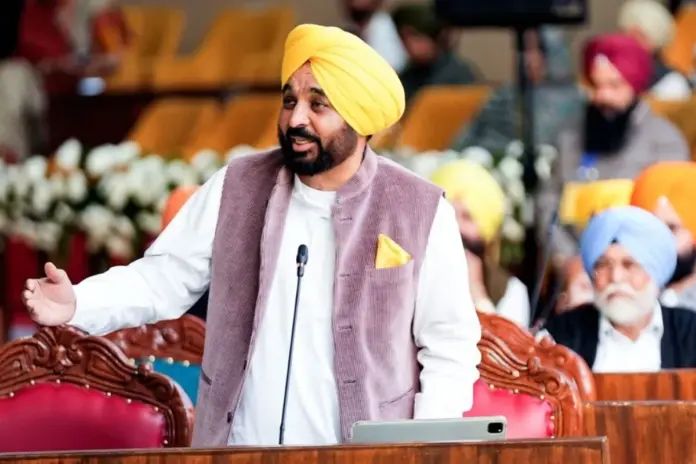
Bhagwant Mann Holds Special Interaction with Dhuri Nagar Council Winners, Pushes People-Centric Development

Bhagwant- Mann
Google

Bhagwant Mann: Punjab Chief Minister Bhagwant Mann had a special interaction with the newly elected representatives of the Dhuri Nagar Council at Chandigarh on Saturday. The meeting focused on strengthening local governance and ensuring that development work remains closely linked to the needs of the public at the grassroots level.

The Chief Minister congratulated the winning candidates and advised them to work with dedication, transparency and a strong sense of public responsibility. He said elected representatives are not only office bearers but direct bridges between the government and the citizens.

Urban Development with a People-Centred Approach

During the interaction, Bhagwant Mann reiterated that the development model of the state government is based on the policy of people first. He asked the council members to concentrate on basic civic issues like clean drinking water, sanitation, street lighting, waste management and road infrastructure.

He highlighted that urban local bodies are important in changing cities and towns, and their performance is a direct indicator of the efficiency of governance. Real change, he said, starts at the municipal level where citizens have a more immediate experience with government services.

Strengthening grassroots governance

The Chief Minister emphasised the need for accountability and regular public engagement. He appealed to the newly elected representatives to stay in touch with the residents and take up the issues without delay.

He said ongoing governance reforms in Punjab also aim at reducing bureaucratic delays and empowering local institutions. The aim is to result in faster decision-making and better implementation of development projects.

Commitment towards Developmental Reforms

Bhagwant Mann: The interaction also highlighted the state government’s larger commitment towards bettering civic infrastructure across Punjab. He said that fast-tracking of urban development projects was being done to improve living standards and balanced regional growth.

He asked the Dhuri council members to work in close coordination with the state departments for the smooth execution of the ongoing and upcoming projects

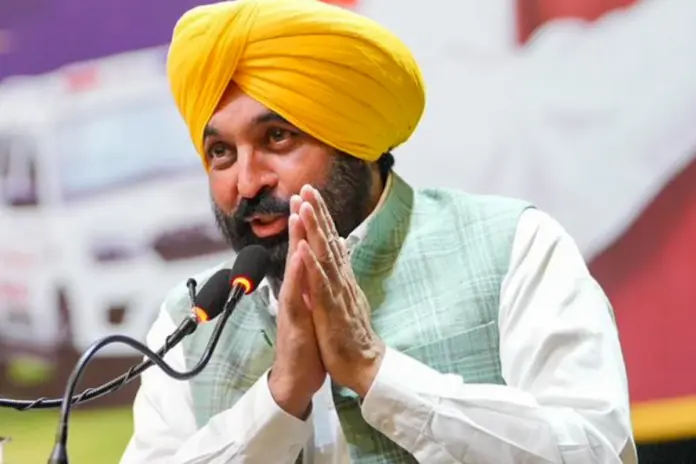
Bhagwant Mann’s Bold Education Gamble Pays Off—Inside Punjab’s Sikhya Kranti Success Story

Bhagwant- Mann
Google

Bhagwant Mann: What started as an ambitious promise of transforming the government schools of Punjab is now being touted as one of the biggest governance success stories of the state. Under the leadership of Bhagwant Mann, the “Sikhya Kranti” (Education Revolution) of Punjab has moved from being a policy vision to a widely debated public education reform model. They cite recent academic gains, national rankings and infrastructure improvements as proof that the strategy is paying off.

Punjab Moves to the Top

Recently, Punjab has been ranked number one in the school education rankings, with the state government crediting the improvement to learning outcomes, school infrastructure and academic performance. The accomplishment is being hailed as a major step forward in the government’s effort to restore confidence in public education.

Education spending in the state has also climbed significantly over the last four years to fund investments in classrooms, technology and teacher development. The government says it has dramatically increased education spending since 2022.

Results That Get Noticed

Punjab board examination results have become a hot topic of discussion. In the Class 8 exams, girls occupied 19 of the top 20 places, and Chief Minister Mann said this reflected the Sikhya Kranti opening up opportunities for students from ordinary families.

The government schools have also registered impressive performances in Class 10 and Class 12 examinations, with hundreds of schools registering outstanding pass percentages and government-school students figuring increasingly in merit lists.

Schools of Eminence and Global Dreams

One of the main thrusts of the reform agenda has been the expansion of Schools of Eminence, which are envisioned to provide world-class facilities and a modern learning environment. The government has also launched Sikhya Kranti 2.0 with an investment of ₹3,500 crore and the support of the World Bank to bring Punjab’s education system at par with global standards.

CM Yogi Adityanath Boosts Cyber Security In UP, New Fraud Mitigation Centre and 1930 Helpline 2.0 Launched

CM- Yogi- Adityanath
Google

CM Yogi Adityanath: As the world moves towards a digital economy with an increase in digital transactions and online services, cybercrime has become a major challenge. To fight this growing menace, Uttar Pradesh Chief Minister Yogi Adityanath has launched a new Fraud Mitigation Centre and the upgraded 1930 Helpline 2.0.

The step is in line with the state government’s commitment to building a safer digital ecosystem and providing faster assistance to the victims of online fraud.

What is the Fraud Mitigation Hub?

The Fraud Mitigation Centre, the establishment of which was announced today, is envisaged as a central hub for monitoring, tracking and responding to cyber fraud cases. The centre aims to facilitate faster and more effective investigations by bringing together technology, data analysis and law enforcement resources.

Officials hope the facility will help them detect fraudulent transactions earlier so that law enforcement can act quickly and possibly recover lost money before it is moved through criminal networks.

1930 Helpline Gets a Huge Upgrade

The government has also launched 1930 Helpline 2.0, an upgraded version of the national cyber fraud reporting service. The upgrade is expected to make it easier to lodge complaints, improve response times, and provide better coordination among banks, financial institutions, and law enforcement agencies.

Citizens who are victims of online scams, phishing attacks, or unauthorised online transactions can call the helpline to report the incident and get immediate help.

Citizen Protection Focus

The state government said the initiative was a way to keep citizens safe in an increasingly digital world. Cybercriminals are getting more sophisticated, and authorities are looking at both prevention and rapid response.

The new infrastructure is expected to enhance Uttar Pradesh’s ability to respond to cyber threats and increase public trust in digital services and online financial transactions.

Creating a Safe Digital Future

CM Yogi Adityanath: Another step in Uttar Pradesh’s wider digital governance plan is the launch of the Fraud Mitigation Centre and 1930 Helpline 2.0. By employing advanced cybersecurity solutions, the government aims to reduce monetary fraud, improve public safety and create a safer setting for businesses and people alike.

As cybercrime evolves rapidly, the government hopes these measures will help keep Uttar Pradesh ahead of emerging digital threats while offering swift assistance to those affected by online fraud.