

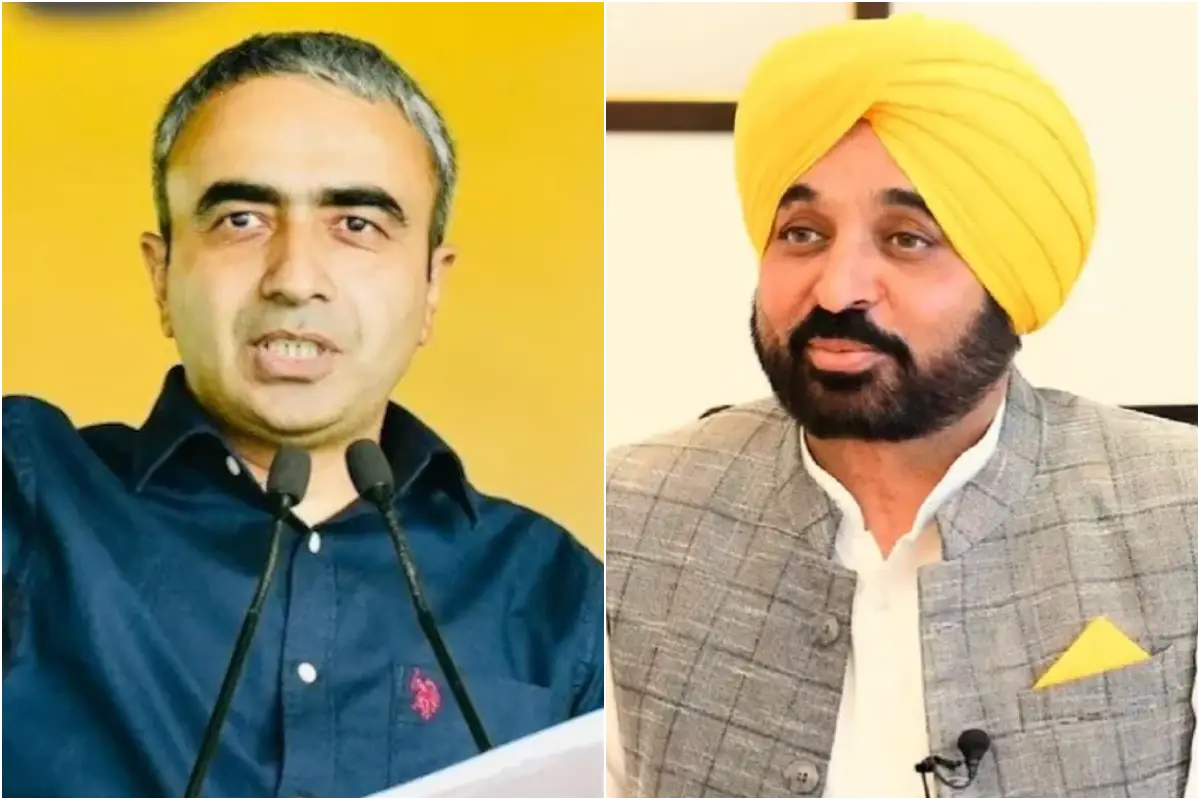
AAP leader Anurag Dhanda on Sunday reiterated support for the anti-drug campaign led by Punjab Chief Minister Bhagwant Mann, asserting that those involved in narcotics trade in Punjab “will not be spared.” His statement comes amid the state’s intensified enforcement drive targeting drug trafficking networks.
Anurag Dhanda Highlights Crackdown
According to recent official updates from the ongoing anti-drug operation, state police have continued large-scale raids across multiple districts. On Day 353 of the campaign, authorities reported the arrest of 84 alleged smugglers and the seizure of 2.1 kg heroin, 92 kg poppy husk, 720 intoxicant tablets or capsules, and ₹11,400 suspected drug money. In addition to enforcement action, 55 individuals were counselled and encouraged to undergo de-addiction and rehabilitation.
DON'T MISS
Dhanda Backs Bhagwant Mann Government’s ‘Drug-Free Punjab’ Resolve
Cumulative figures released by officials indicate that nearly 49,974 drug smugglers have been arrested since the launch of the drive, reflecting the scale and continuity of the crackdown. The campaign combines policing measures with rehabilitation outreach, signalling a dual strategy of strict enforcement alongside treatment support for those affected by substance abuse.
Political leaders backing the initiative say the government’s objective is not only to dismantle supply chains but also to restore social stability in affected communities. They maintain that sustained action, public cooperation, and rehabilitation programs are essential to achieving the long-term goal of a drug-free state.
Officials said the intensified enforcement has been made possible through coordinated intelligence sharing and joint field operations led by Punjab Police units and specialized anti-narcotics teams. Senior officers have stressed that surveillance, border monitoring, and financial tracking of suspected traffickers are being strengthened to dismantle organized drug networks rather than only targeting small-scale peddlers.
Authorities also highlighted that community participation is playing a key role in the campaign’s progress. Local residents in several districts have reportedly begun sharing information about suspicious activities, which has helped law enforcement conduct targeted raids and prevent distribution before substances reach consumers.