

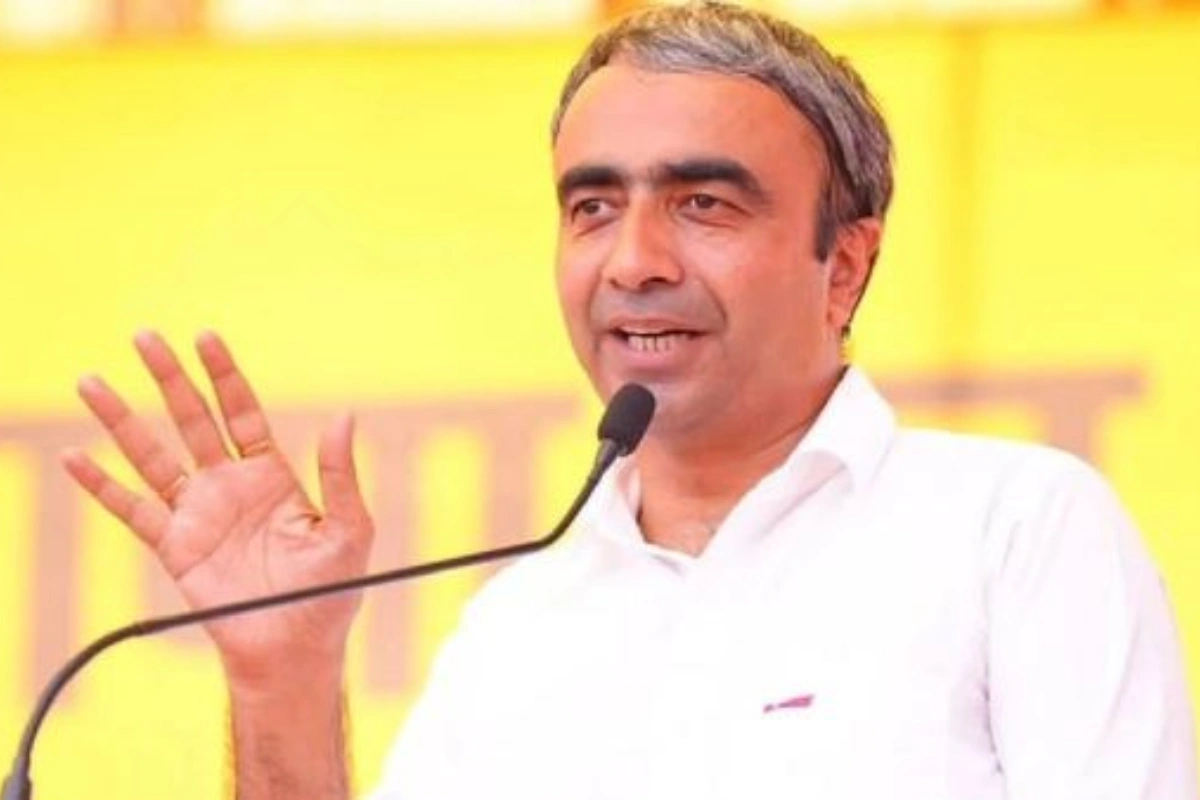
Anurag Dhanda has strongly criticized the Delhi government. He raised concerns about important public sectors like education, healthcare, and electricity. His comments have sparked new political discussions about governance and public welfare in the national capital.
Concerns Over Education System
Dhanda questioned if the education system really meets public expectations. While Delhi has often pointed out improvements in government schools, he argued that the actual situation might indicate otherwise. He stressed the need for transparency in education policies and greater accountability. He believes citizens deserve to know how funds are used and whether students are truly benefiting.
DON'T MISS
Healthcare Under Scrutiny
Healthcare services also faced criticism. Dhanda expressed worries about accessibility, infrastructure, and the overall efficiency of public health systems. He stated that even with claims of progress, many citizens still struggle to obtain timely and affordable medical care. Problems like overcrowded hospitals and a lack of resources continue to be a concern for the public.
Rising Electricity Bills a Major Issue
One of the main points discussed was the rise in electricity bills. Dhanda asked why consumers still face high costs despite government promises. He has also criticized power policies in other states, highlighting how high tariffs affect regular households. This issue directly impacts middle-class and lower-income families, making it a sensitive topic in politics.
Political Impact and Public Reaction
The criticism shows a larger political plan to question governance and seek accountability. These statements often start debates among political parties and focus attention on ongoing public issues. For citizens, these discussions bring up significant concerns about daily life, such as education quality, healthcare access, and the cost of living.
Rising Questions on Governance and Accountability in Delhi
Anurag Dhanda remarks highlight the increasing scrutiny on governance in Delhi. By focusing on education, healthcare, and electricity, he has drawn attention to issues that directly impact daily life. Whether these concerns lead to policy changes or remain part of political discussions, one thing is clear: public expectations around governance are rising, and accountability is becoming more important than ever.


