

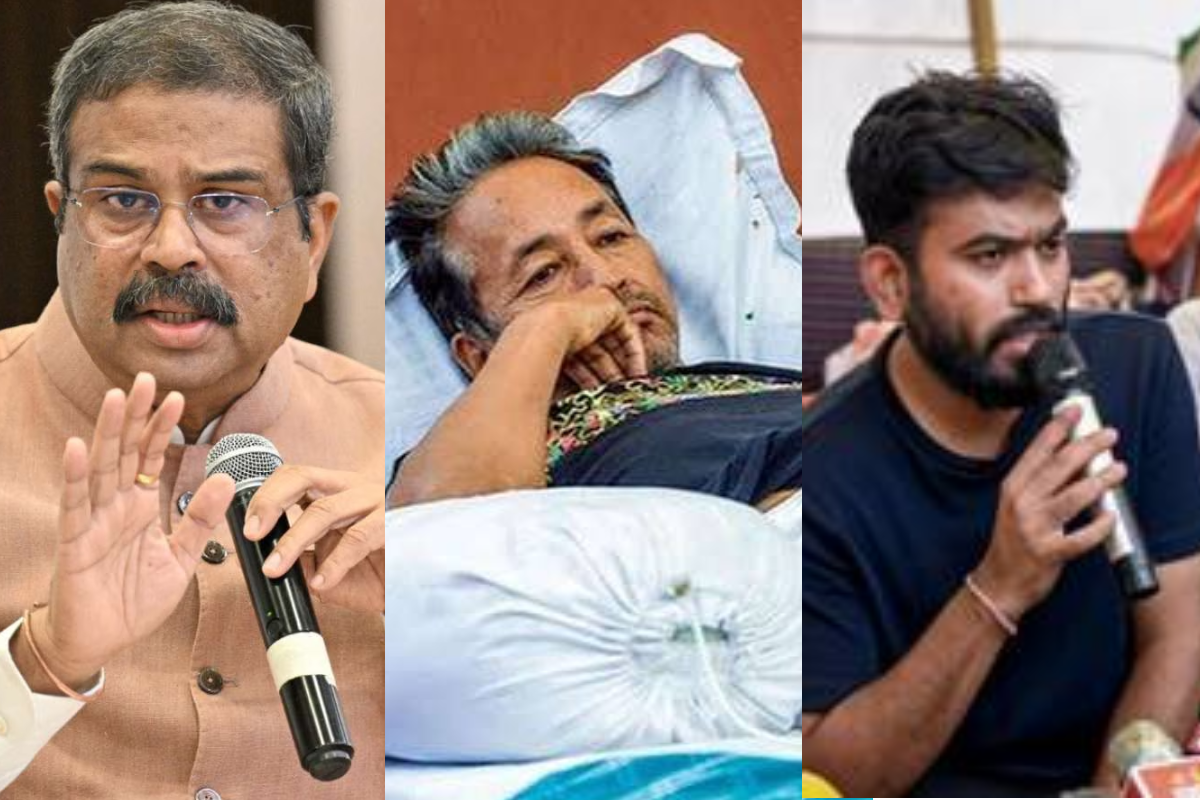
CJP: The wave of protests led by the youth has transformed the political discourse in India and led to the resignation of Union Education Minister Dharmendra Pradhan.
The Resignation of Dharmendra Pradhan
The exit of Dharmendra Pradhan was one of the most important outcomes of the long protests. The combination of strong public pressure, huge participation of students, and high national attention made it possible to put the education ministry in the focus of public scrutiny.
DON'T MISS
Abhijeet Dipke’s Digital Mobilisation Strategy
Abhijeet Dipke garnered national attention by converting online jokes into a large-scale campaign for youngsters. Thanks to memes and social media campaigns, millions of young people across the country were reached. This campaign clearly showed that contemporary political participation is not just about meetings or discussions on TV. S
What Can the Opposition Learn?
The recent protests offer several lessons for opposition parties. First, young voters respond to authentic engagement rather than traditional political slogans. Digital communication should be interactive, relatable, and centered on real concerns. Second, sustained issue-based campaigns often generate stronger public trust than event-driven politics. Building long-term connections with students and young professionals requires continuous engagement. Third, social media should complement ground-level participation. Successful movements combine online visibility with offline action, creating broader public support.
The Changing Nature of Youth Politics
CJP: India’s younger generation is becoming more active in shaping public debates through digital platforms and community participation. The recent movement demonstrated that organised, technology-driven campaigns can rapidly influence national conversations and place important issues at the centre of political discourse.


