

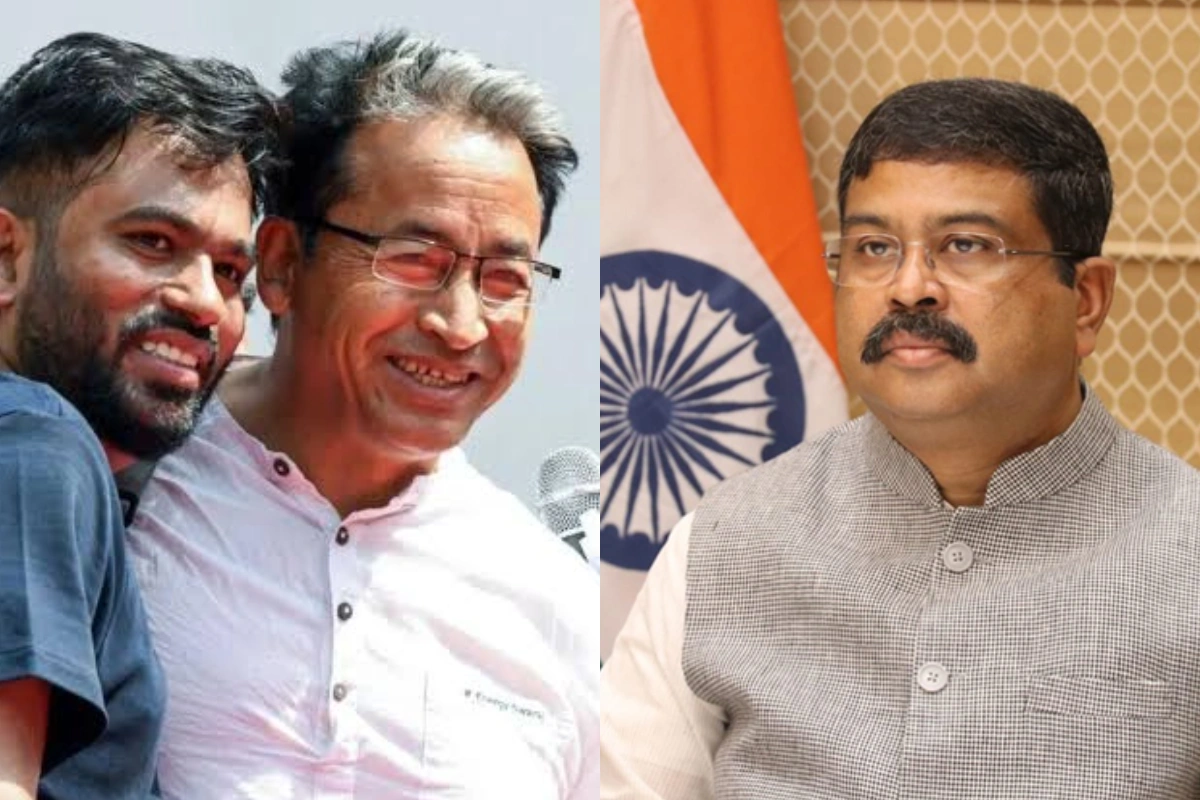
The Cockroach Janta Party (CJP) grew from an online meme movement into a nationwide youth protest during the NEET paper leak controversy, highlighting the power of student activism and social media.
3 Biggest Gainers of the CJP Protest
1. Generation Z and Youth Activists
According to the CJP organizers, the biggest beneficiaries were India’s youth. Led by founder Abhijeet Dipke, the movement grew from an online meme into a nationwide protest, showcasing the growing influence of Gen Z and the power of digital activism.
2. Opposition Parties
The protests also led to the emergence of the opposition as another major winner. Several political parties seconded the students’ demands and availed this opportunity to criticize the government for handling the crisis in the field of education.
DON'T MISS
3. New Ministry Leadership
The administrative reshuffle following the protests created an opportunity for new leadership within the Education Ministry. Ministers entrusted with additional responsibilities, including Pralhad Joshi, were expected to restore public confidence and improve transparency in the education system.
4. Sonam Wangchuk
The Ladakhi educator and climate activist emerged as a massive moral victor after striking a “hard bargain “with the union government to end his 26-day hunger strike. His fast brought a powerful Gandhian vocabulary of satyagraha to the digital-first movement, successfully securing written assurances for parliamentary debate on Exam accountability and protection for student protesters from legal backlash
3 Biggest Losers of the CJP Protest
1. Dharmendra Pradhan
Union Education Minister Dharmendra Pradhan suffered the worst political setback as the incident became controversial. With the public anger against the NEET paper leak rising, he faced criticism from students and various civil society organizations.
2. The Union Government’s Pro-Youth Image
The protests damaged the image of the union government among young voters. The long-lasting protests and support of the public challenged the pro-youth face of the government, with critics arguing about the incapacity of the authorities to act swiftly upon the demands of the students.
3. Delhi Police and State Apparatus
The actions of the law enforcement also attracted criticism for the way they handled the protests. Information about violent clashes and prohibitions on protests became widely spread on social media as well as in the mass media.


