
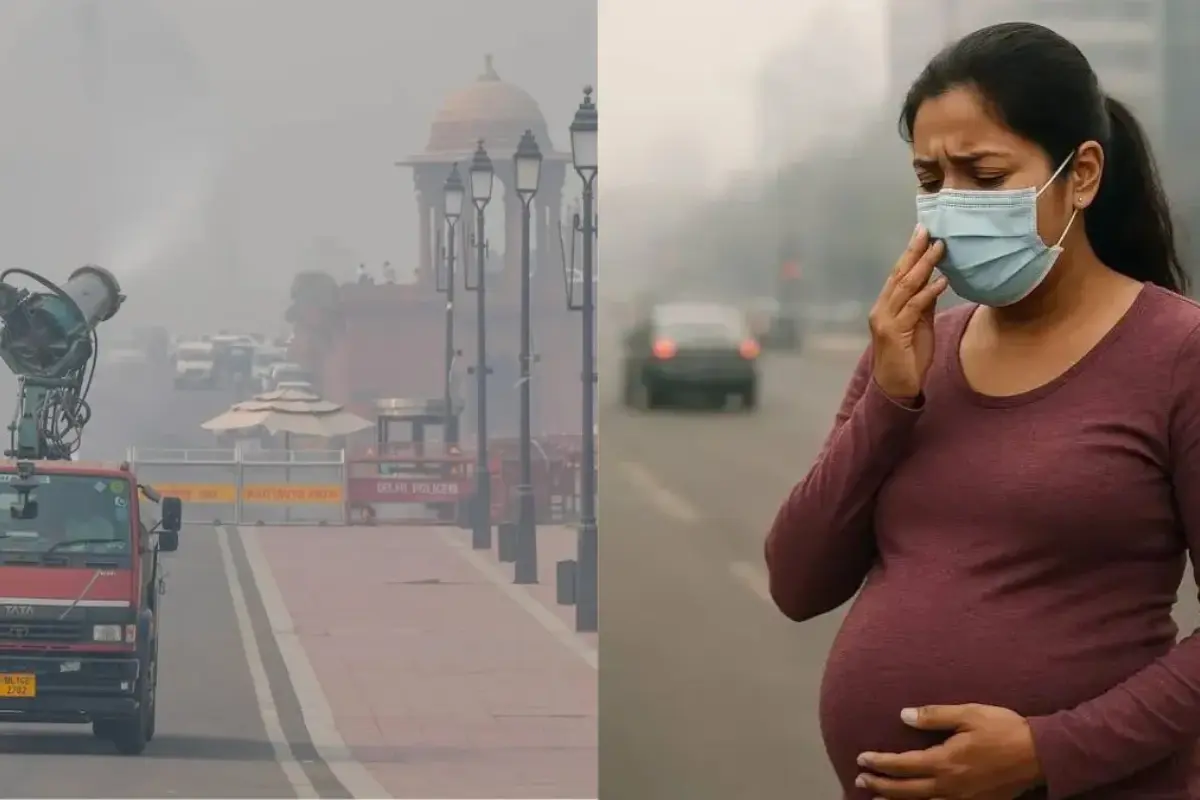
Delhi Pollution: Many people in India are of the view air pollution and a poor air quality index (AQI) is only responsible for cough, restlessness and uneasiness.
However, air pollution is more than just a respiratory or cardiovascular concern. Long-term exposure to polluted air can cause declining fertility in men and women, higher risks during pregnancy and poorer IVF outcomes.
How Can Delhi Pollution Impact Fertility In Men And Women?
Poor AQI levels can trigger hormonal disruptions, oxidative stress and damage to reproductive cells in both men and women. Fine particulate matter such as PM2.5 and PM10 along with harmful gases like Sulfur dioxide (SO2), nitrogen dioxide (NO2) and ozone (O3) can penetrate deep into the human body, impairing egg quality and sperm production.
Effects on Male Fertility
Pollutants in the air can significantly impact sperm motility, count and morphology causing DNA fragmentation and reduced testosterone levels. Oxidative stress from harmful air toxins can disrupt testicular function, resulting in poorer reproductive outcomes across generations.
Effects on Female Fertility
Poor AQI can reduce Anti-Müllerian Hormone (AMH) levels, ovarian reserve and antral follicle count (AFC), increasing the risks of stillbirth babies and miscarriages. Exposure to SO2, CO, and PM can elevate infertility odds by as much as 181 percent while impairing embryo implantation and disrupting menstrual cycles. Inflammation from PM2.5 can also accelerate reproductive aging.
10 Ways to Protect Fertility from Poor AQI
- Make sure to check AQI daily using mobile apps.
- Try to stay indoors during “poor” or “severe” AQI levels.
- Wear N95 masks outdoors.
- Avoid peak traffic hours.
- Install HEPA air purifiers at home.
- Eat antioxidant-rich foods like berries, spinach, nuts and green vegetables.
- Stay hydrated and limit processed foods.
- Avoid smoking, candles and synthetic fragrances to minimize indoor toxins.
- Use filtered water and paraben-free personal products.
- Get regular fertility checkups
Stay indoors, stay protected!