

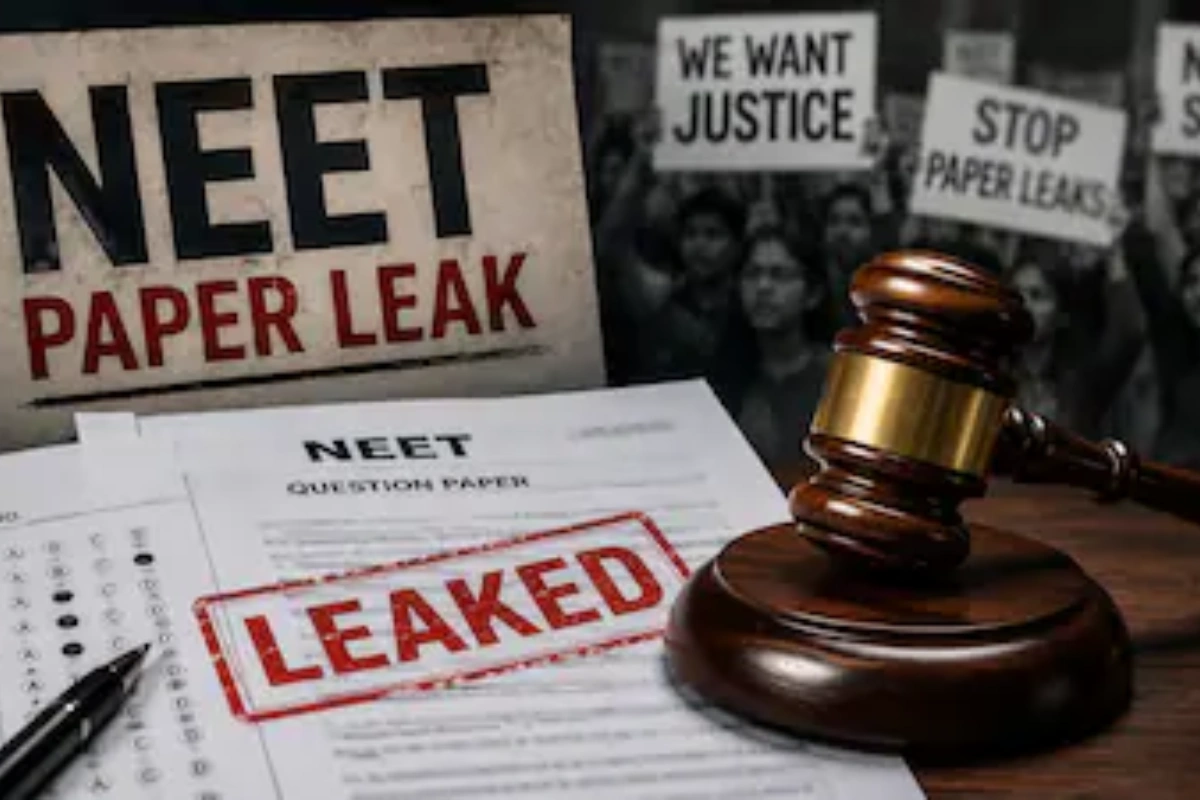
India’s exam season has once again turned into a season of protest. The NEET-UG 2026 exam, held on May 3 for over 2.27 million aspirants, was cancelled within nine days after investigators found a leaked guess paper matching the actual questions. It reignited a pattern that has repeated across NEET, UGC NET, and multiple state recruitment tests for years.
DON'T MISS
A Law Already In Place, Now Being Toughened
The Public Examinations (Prevention of Unfair Means) Act, 2024 was meant to fix this. Instead, its limited enforcement pushed the Centre to approve amendments on July 24, 2026, adding fast-track courts that must conclude trials within three months, jail terms extending to ten years, and fines reaching Rs 10 crore for organised cheating networks.
Why Gen Z Isn’t Convinced Yet
“It was very important to conduct the exams immediately,”
Prime Minister Narendra Modi said, promising the bill’s swift passage during the Monsoon Session.
For students, though, promises have worn thin. Roughly 90 leak incidents have hit Indian exams over the past decade, from CBSE boards to police recruitment drives in Rajasthan, Gujarat, Bihar, and Uttar Pradesh. Each cancellation costs aspirants months of preparation and, often, a full academic year.
Enforcement, Not Legislation, Remains The Real Test
Opposition leaders have used the controversy to demand the Education Minister’s resignation, while protestors want structural reform, not just punishment. Digital security upgrades, agency accountability, and transparent question-paper handling matter as much as harsher sentencing.
The bill’s introduction in Parliament next week will show whether the government backs stronger words with stronger systems. Until enforcement actually closes the loopholes exploited from NEET to constable recruitment drives, Gen Z’s trust in India’s examination system will remain provisional at best.