

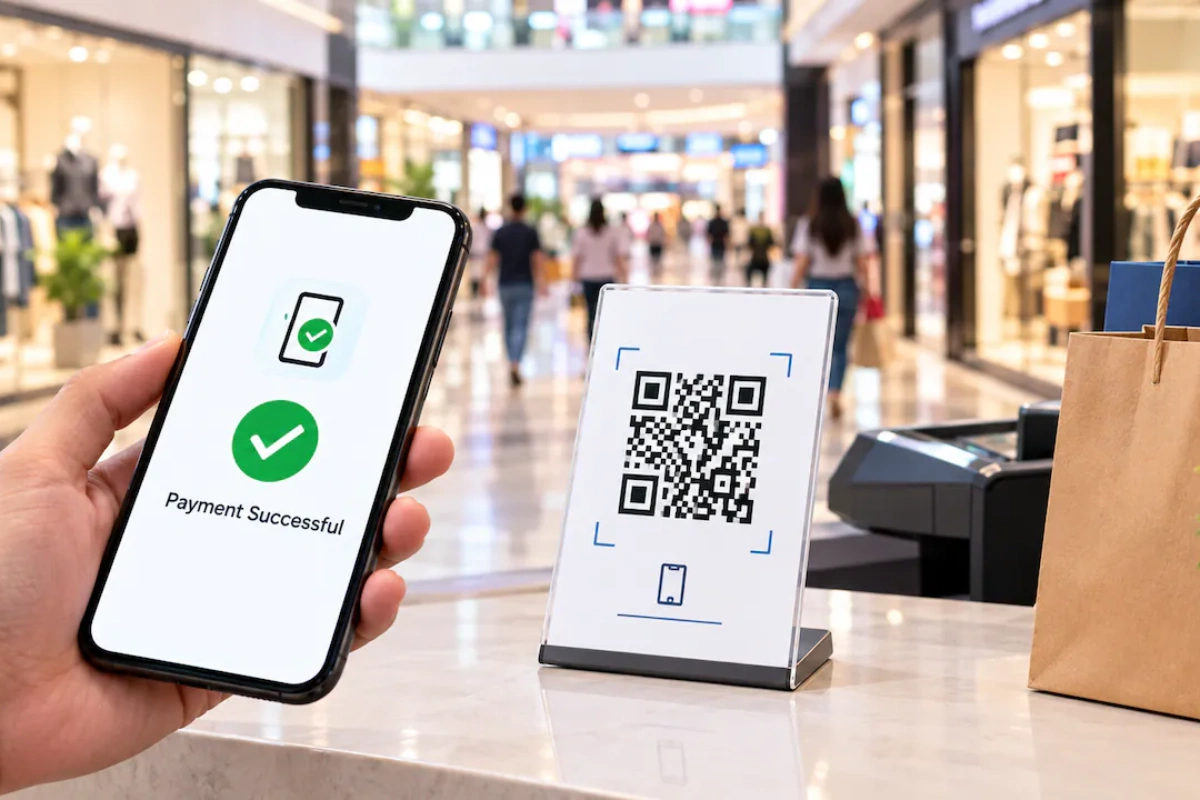
UPI Payment: India’s free UPI payments are getting an asterisk. The government says customers won’t feel it.From October 15, a Merchant Discount Rate of 0.4 per cent applies to person-to-merchant UPI transactions above Rs 2,000, capped at Rs 300 on payments of Rs 75,000 or more. Payments under Rs 2,000 stay free.
DON'T MISS
Person-to-person transfers, which make up most of UPI‘s volume, remain free at any amount. Small merchants taking up to Rs 1,00,000 a month via UPI QR codes also keep zero MDR. Essential sectors like railways, telecom, and fuel pay a flat Rs 5 per transaction instead.
Who’s Talking To Whom
Finance ministry officials say they are in active talks with payment aggregators to make sure merchants don’t quietly pass the charge on to shoppers. “From Oct 15, we will monitor on a daily basis whether merchants are passing the MDR to consumers,” officials said. Banks have been told to watch for this, and UPI apps are barred from adding hidden fees on top.
Why Merchants Are Unhappy
A LocalCircles survey of over 32,000 respondents found just 17 per cent of merchants were willing to absorb the full 0.4 per cent fee. A separate survey found 53 per cent of users said they’d shift to cards or cash if the cost landed on them instead.
Why The Government Won’t Budge
Officials say there’s “no question of rethinking” the rate. UPI currently runs on Rs 1,500 crore a year in government incentives, covering only a fraction of the estimated Rs 10,000 crore needed to sustain it. Five per cent of MDR collections will fund UPI expansion in rural areas, and RuPay debit cards stay exempt entirely.
The real test comes after October 15. If merchants find ways to pass the fee on despite the monitoring promise, UPI’s free, frictionless reputation could take a hit just as festive shopping picks up.


