

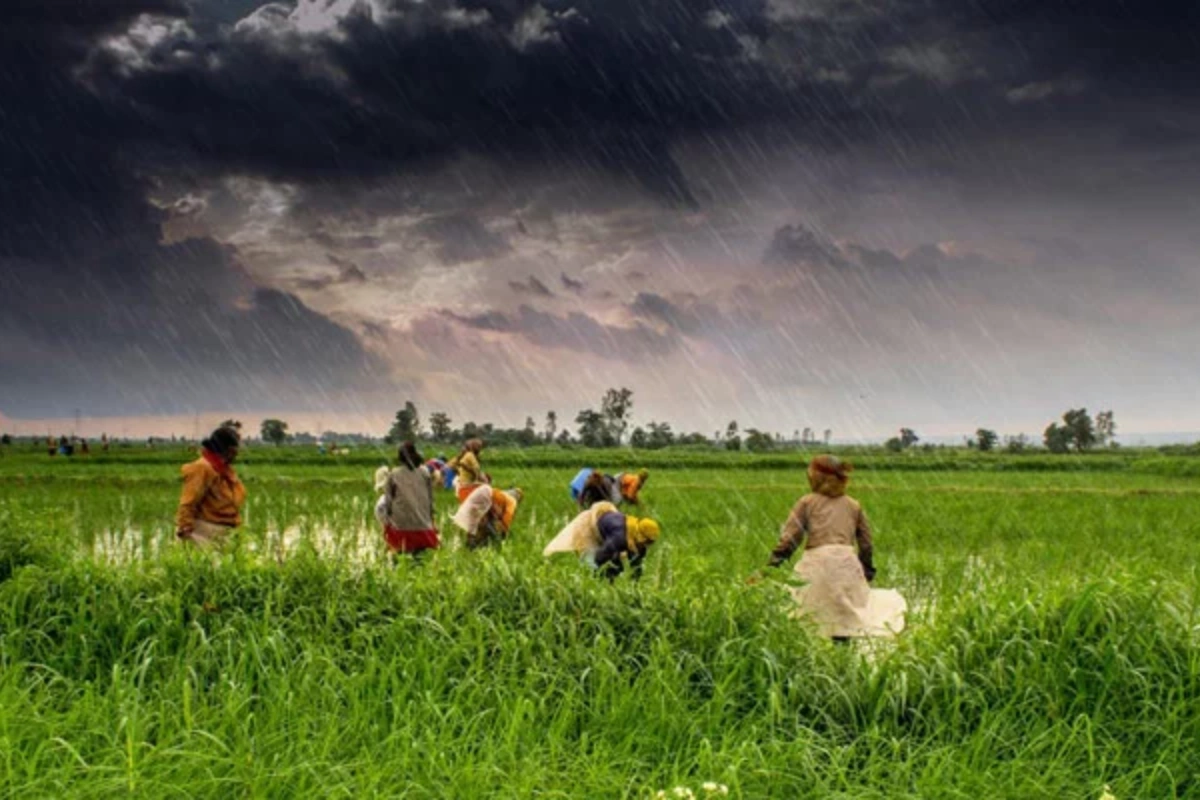
Monsoon Rainfall: India is likely to face a below-normal monsoon in 2026 due to the influence of El Niño. This could impact agriculture, water supply, and food prices across the country.
What El Niño Is and Why It Matters
El Niño is a climate phenomenon that occurs when the surface waters of the Pacific Ocean become unusually warm. This warming disrupts global weather patterns, including the atmospheric circulation that influences India’s monsoon rains. In years when El Niño develops, India often experiences reduced and erratic monsoon rainfall, which can have serious consequences for agriculture and water resources.
DON'T MISS
Below‑Normal Monsoon Forecast for 2026
Several weather agencies, including private forecaster Skymet, are warning that India’s 2026 southwest monsoon could be below normal, with rainfall projected at about 94% of the longperiod average for the season. Experts expect the monsoon to start normally but weaken in the July–September period, particularly due to an anticipated strengthening of El Niño conditions.
Why Farmers Could Be Hit Hard?
Agriculture in India still depends heavily on monsoon rains. A below-normal monsoon can reduce soil moisture, delay sowing of kharif crops like rice, pulses, and maize, and lead to lower crop yields. Regions that rely predominantly on rain‑fed agriculture, such as parts of central and western India, could face the strongest impacts. Reduced rainfall can also mean more reliance on groundwater and irrigation, raising costs for farmers.
Implications for the Common Man
The effects of a weak monsoon extend beyond farms. Lower crop output can push up food prices, especially for essential staples like rice, pulses, and vegetables. Rural demand may weaken as farmers have less income to spend on goods and services, which can slow economic growth in rural markets.
Other Challenges: Heat and Water Stress
El Niño years are often associated with higher temperatures before the monsoon, leading to heat stress and increased demand for electricity and water. Weaker rains also mean slower recharge of rivers, lakes, and groundwater, placing additional pressure on water supply for drinking, irrigation, and industry.
Can It Be Offset?
Monsoon Rainfall: Some factors might partly offset the adverse impact. For example, if a positive Indian Ocean Dipole (IOD) develops at the same time as El Niño, it can enhance rainfall over parts of India and mitigate some drying effects.


