

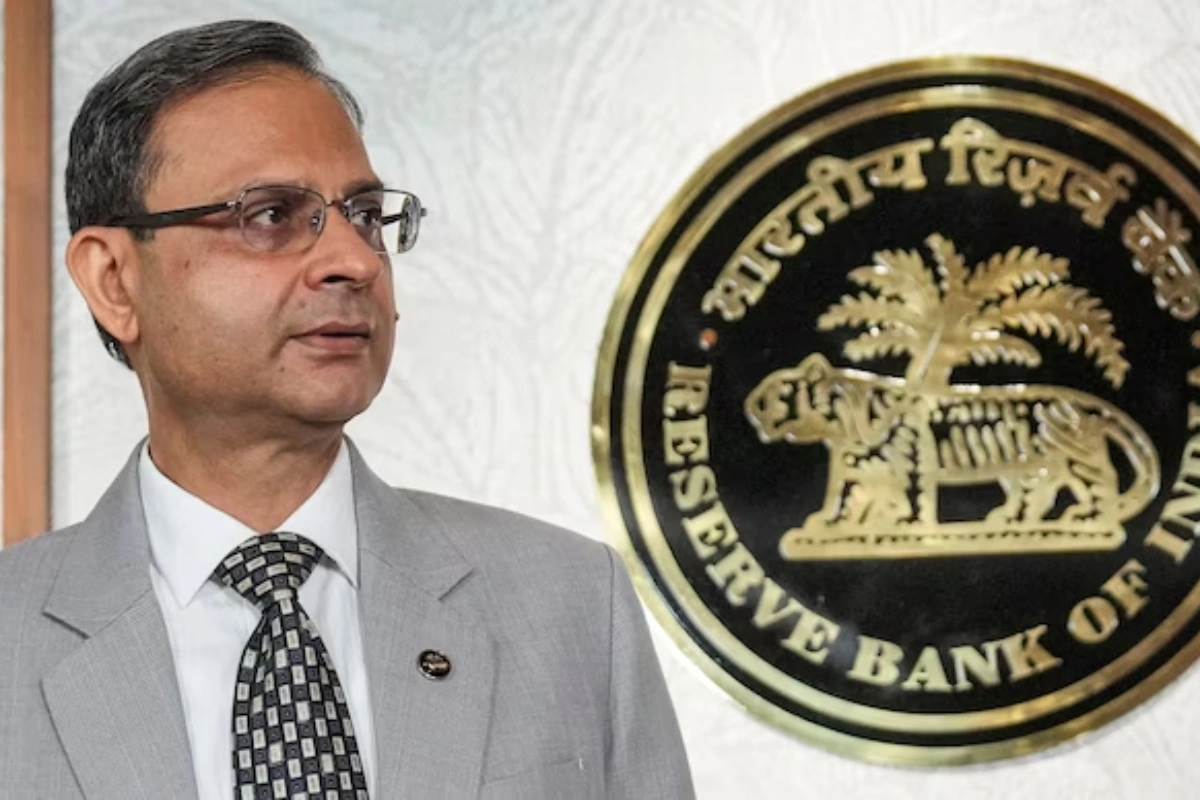
RBI MPC Meeting 2026: The Reserve Bank of India’s Monetary Policy Committee (MPC) has announced the repo rate would remain steady at 5.25 percent. The RBI MPC would revise FY26 gross domestic product (GDP) upward to 7.6 percent, reflecting a calibrated balancing act between inflation vigilance and growth optimism.
RBI MPC Meeting 2026-A Stable Repo Rate
The central bank of India has kept the repo rate unchanged at 5.25 percent. By doing this, it has opted for continuity over disruption. While not entirely subdued, inflation appears quite manageable within the tolerance band of RBI. At the same time, the country’s economic growth has demonstrated sufficient momentum for avoiding further monetary stimulus.
DON'T MISS
What Does It Mean For The Common Man?
For Indian households, a stable repo rate translates into relative predictability in borrowing costs. Personal loan rates, home loan EMIs and auto financing costs are unlikely to witness immediate upward pressure. This is especially significant for middle-income borrowers who have already absorbed rate hikes over the last many tightening cycles. Interest rate stability would offer some breathing room for these borrowers, allowing them to plan expenditures with greater certainty.
GDP Growth Upgrade: A Positive Signal
The upward revision of FY26 GDP growth to 7.6 percent underscores powerful domestic demand, resilient manufacturing & service sectors and improved investment activity. From a global macroeconomic standpoint, this position India among one of the fastest-growing economies of the world.
Higher GDP growth for the common usually correlates with rising incomes, improved business confidence and better job prospects. Additionally, sectors like infrastructure, construction and consumer goods see increased activity that translates into employment opportunities.
However, growth alone does not guarantee equitable outcomes. Rising input costs, especially from commodities and energy, the benefits may not be as favourable as perceived by the common man. This is primarily households may end up spending more than earning because of inflationary pressures.


