


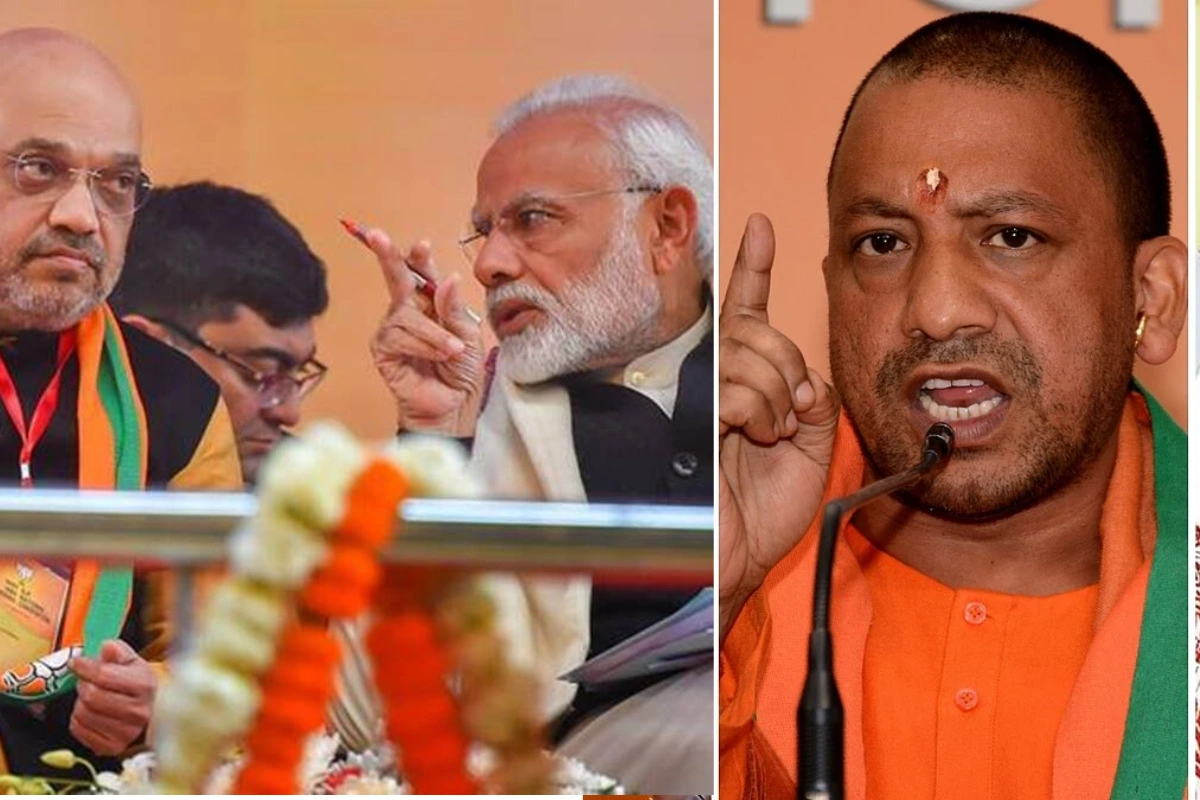
Assembly Elections 2026: The results of the 2026 Assembly elections are out and have surprisingly shocked political analysts across the country. Once considered a marginal player in the deep South and an outsider in eastern strongholds, the Bharatiya Janata Party (BJP) has not only expanded but entrenched itself across diverse geographies. While the BJP’s current trajectory is undeniably strong, the leap to 400 seats in 2029 remains a formidable challenge. The BJP’s expansion into new territories that is far beyond could help it turn the tables.
Winning two seats in Keralam may appear highly modest at the first glance but it marks a historic breach symbolically in a state that has been long dominated by bipolar Left and Congress politics.
Assembly Elections 2026-West Bengal Conquered
The historic win of the Bharatiya Janata Party over Trinamool Congress (TMC) led by Mamata Banerjee shocked even the most loyalists of BJP followers. The party’s electoral success is not the result of a single wave but rather the culmination of layered strategies such as organizational depth, ideological consistency, welfare outreach and an ability to recalibrate alliances.
DON'T MISS
Why The BJP Scored Big?
At the heart of the BJP’s electoral success in Keralam, Tamil Nadu, West Bengal, Puducherry and Assam lies a combination of narrative control and delivery on governance promises. The party has effectively framed elections as referendums on leadership stability and national pride, themes that resonate strongly across regions. In states like West Bengal, where identity politics has historically played a decisive role, the BJP successfully repositioned itself as both a challenger to entrenched regimes and a guarantor of order and development.
Another crucial factor has been the central leadership’s ability to maintain a consistent message while allowing state units tactical flexibility. This balance has enabled the BJP to adapt to local issues, be it unemployment in Tamil Nadu, political violence in Bengal or ideological resistance in Keralam, without diluting its core ideological plank.
Welfare schemes, particularly those targeting women, farmers and marginalized communities, have further expanded its appeal. The direct benefit transfer architecture has reinforced the perception of a responsive government, cutting through bureaucratic inertia and building trust among first-time voters.
The RSS and NDA-Silent Architects of Expansion
No analysis of the BJP’s rise would be complete without acknowledging the role of the Rashtriya Swayamsevak Sangh (RSS) and the broader National Democratic Alliance (NDA).
The RSS, with its extensive grassroots network, has been instrumental in mobilizing cadres, particularly in states where the BJP historically lacked organizational depth. In Keralam, for instance, decades of groundwork by RSS affiliates laid the foundation for the party’s incremental gains. These networks operate quietly but effectively, ensuring voter outreach at the booth level and sustaining ideological engagement beyond election cycles.
The NDA, on the other hand, has evolved into a more pragmatic coalition. In Tamil Nadu, smaller regional allies have played a critical role in bridging cultural and linguistic gaps that the BJP alone might have struggled to overcome. These alliances are not merely electoral conveniences but strategic partnerships that allowed the BJP to localize its campaign while retaining national coherence.