

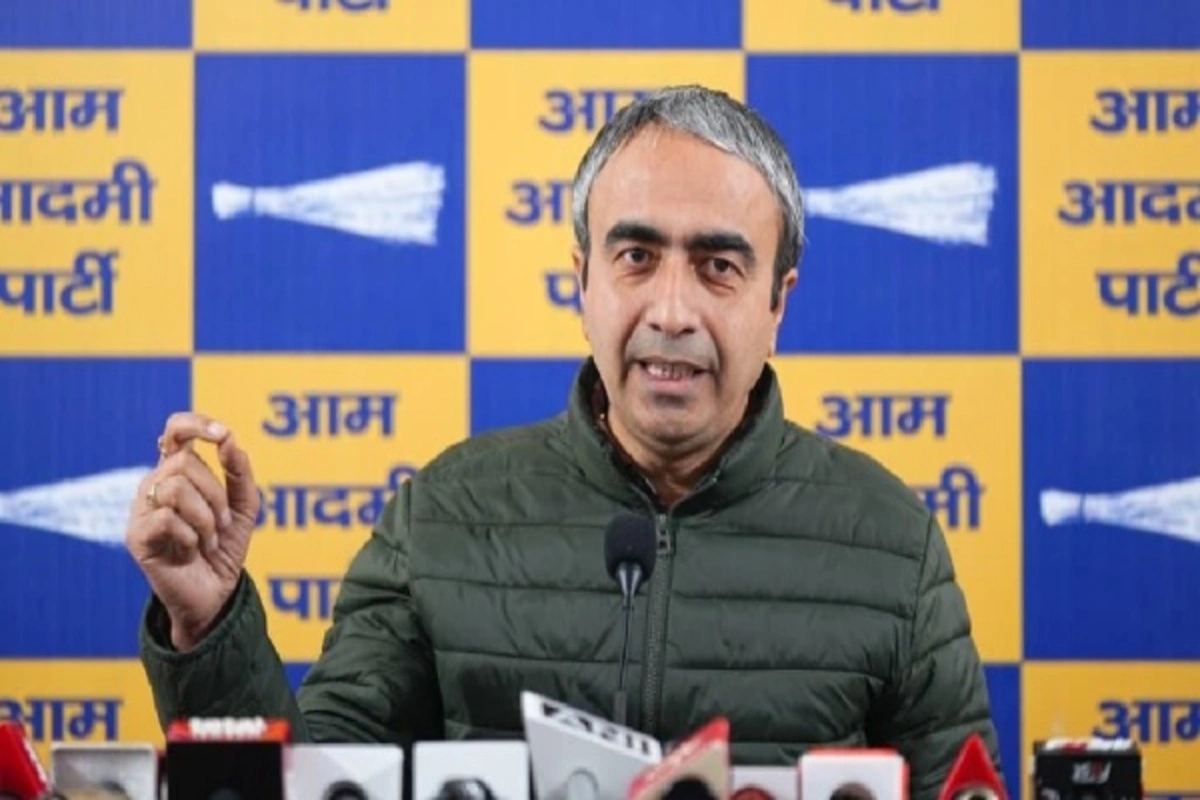
Aam Aadmi Party leader Anurag Dhanda on Thursday launched a sharp attack on the law-and-order situation in Haryana, alleging that the state is witnessing a surge in criminal activity and extortion threats. In a post on social media, Dhanda claimed that criminals are operating fearlessly and suggested that citizens are being intimidated with threats of violence.
Anurag Dhanda Alleges ‘Jungle Raj’ in Haryana
He alleged that the prevailing situation reflects administrative failure and accused the authorities of not taking sufficient action against organised crime networks. The opposition leader’s remarks come amid ongoing political sparring between parties over public safety and governance in the state.
Dhanda Claims Raises Extortion Threat
Dhanda further stated that incidents of intimidation and ransom demands have created anxiety among residents and business owners. He urged the state administration to take strict and immediate action to restore public confidence and ensure safety.
There has been no official response yet from state authorities regarding the specific allegations. However, government representatives in past statements have maintained that law-enforcement agencies are actively working to curb crime and maintain order.
Political observers note that such statements often intensify ahead of election cycles or major political developments, as parties attempt to shape public perception around governance and security issues.
Sources within political circles said the remarks are likely to trigger a fresh round of debate between the ruling establishment and opposition parties over crime statistics and policing effectiveness. Analysts point out that law-and-order narratives often become focal points of political discourse, especially when leaders seek to highlight governance gaps or mobilise public opinion.
Local traders’ associations in some districts have previously raised concerns about security and have demanded stronger patrolling and faster complaint redressal systems. While no direct link has been officially established between those concerns and Dhanda’s claims, such issues continue to feature prominently in public discussions on safety.


