

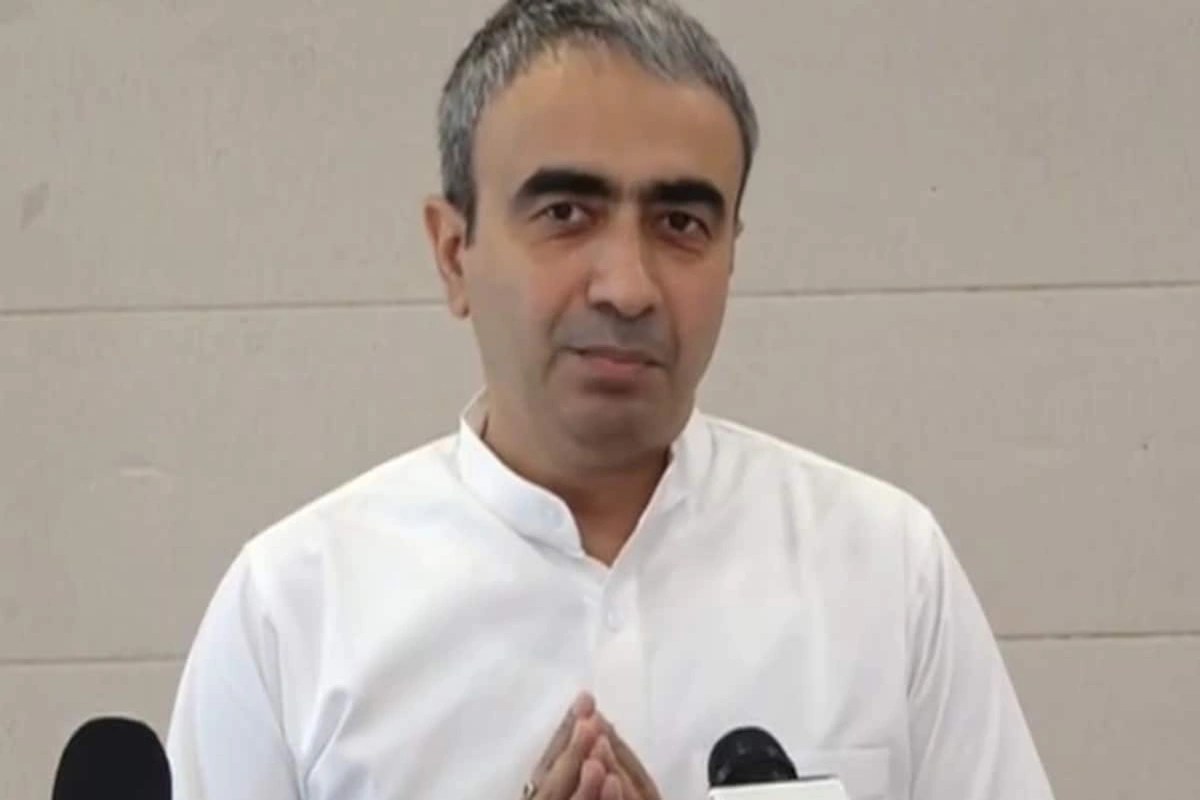
Senior AAP leader Anurag Dhanda has criticised previous assurances regarding financial assistance for women, questioning when the promised ₹2,500 would be credited to beneficiaries’ bank accounts.
Anurag Dhanda Questions Delay in ₹2,500 Payment Promise to Women
In a social media post, Dhanda said a year has passed since the announcement and asked why eligible women are still waiting for the funds. He also shared a video clip of earlier remarks by Rekha Gupta, referring to her past statements about the scheme.
DON'T MISS
Remark has triggered fresh political debate
The remark has triggered fresh political debate, with opposition voices raising concerns over delays in implementing welfare promises. Dhanda alleged that commitments made to women voters should be fulfilled within a reasonable timeframe and demanded clarity on the status of the scheme.
Political observers say such exchanges reflect intensifying rhetoric between rival parties as welfare delivery and public promises increasingly become central issues in regional politics. Meanwhile, no official response had been issued at the time of reporting regarding the timeline for disbursement.
Dhanda further urged the government to issue an official statement clarifying whether the scheme is still under consideration, delayed due to administrative reasons, or has been shelved altogether. He said transparency is essential so that beneficiaries are not left uncertain about entitlements that were publicly announced.
He also questioned whether budgetary allocations had been made for the initiative and, if so, why distribution had not begun. According to him, welfare schemes aimed at women’s financial support should be implemented on priority, especially when they are projected as key commitments during public outreach campaigns.
Political analysts note that financial assistance programmes often become major points of contention between ruling parties and opposition leaders, particularly when timelines are unclear. They say such issues tend to gain traction because they directly affect households and can influence public perception of governance performance.
Meanwhile, supporters of the scheme have called for patience, arguing that administrative verification, beneficiary identification, and fund allocation processes can sometimes delay rollout. However, critics maintain that clear communication from authorities is necessary to prevent confusion and speculation.


