

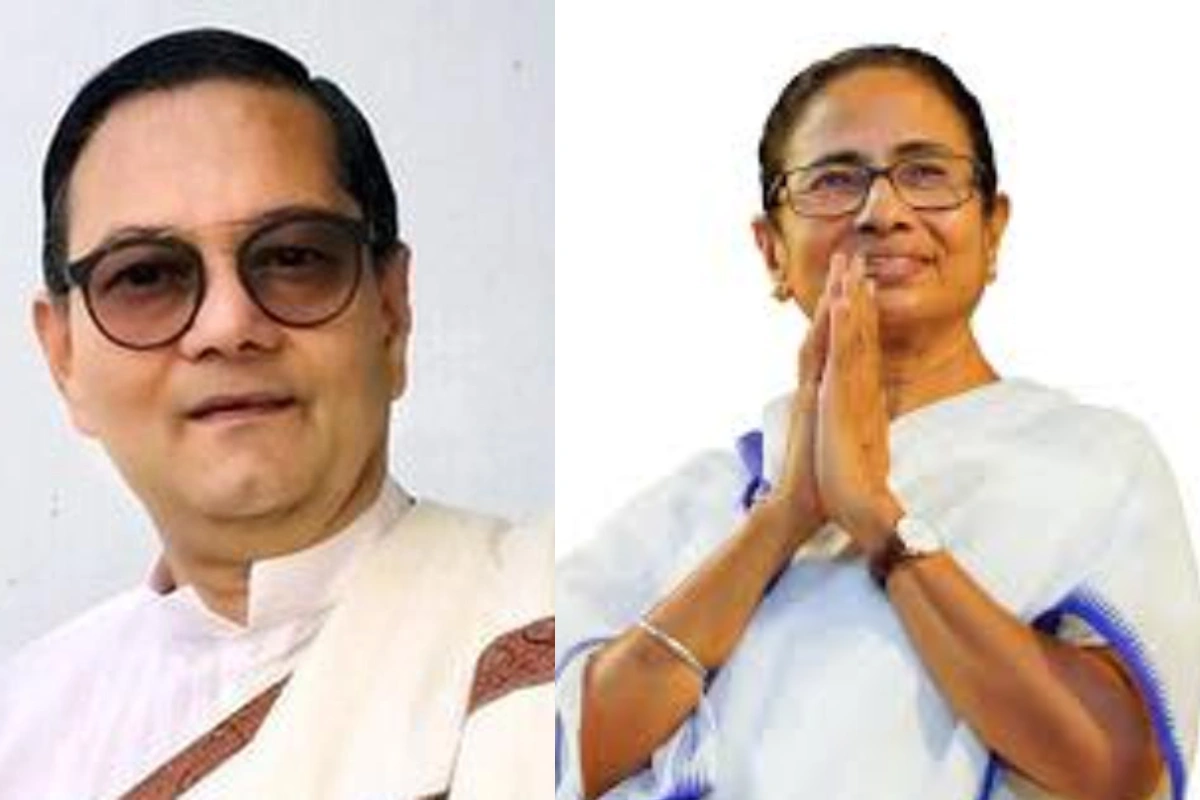
Chandra Kumar Bose, who is the grandnephew of Netaji Subhas Chandra Bose, has joined the Trinamool Congress, which is led by Mamata Banerjee, the Chief Minister. This is a new political event that happened before the 2026 West Bengal Assembly Elections.
Three years ago, Bose was a high-ranking member of the Bharatiya Janata Party. He was even the party’s vice president in West Bengal. But he has stopped being a member of the BJP in the last few years because he doesn’t agree with the party’s ideas and is unhappy with how things are going.
DON'T MISS
He had spoken out against what he called “divisive politics” in public and stressed how important it was to keep Netaji’s ideas of inclusion and secularism alive. People thought he quit the BJP because these problems were getting worse.
TMC Wants to Use Netaji’s Memory! Why do it this way?
People think that the Trinamool’s decision to include Bose is a smart move because it will make the party more appealing by talking about the legacy of Netaji Subhas Chandra Bose. Netaji is still very important to the history and feelings of most of the people who live in West Bengal.
The TMC seems to be strengthening its story of inclusive nationalism by bringing Bose into the fold and fighting back against claims from the opposition.
What it means for elections: Symbols vs. real life
Bose’s entry has a clear symbolic meaning, but it’s not clear how it will directly change how people feel about voting. In West Bengal, elections are often heavily influenced by local government, welfare programs, and grassroots organising.
Political experts say that Netaji’s legacy is important, but the strength of the organisation and the public’s trust in the candidate will still be important for winning elections.
What experts say about how the opposition reacted and the state of politics
The BJP, which has also tried to use Netaji’s legacy in its campaigns, will have to work harder to win elections. Bose’s change could start a new fight over who really owns Netaji’s vision.