


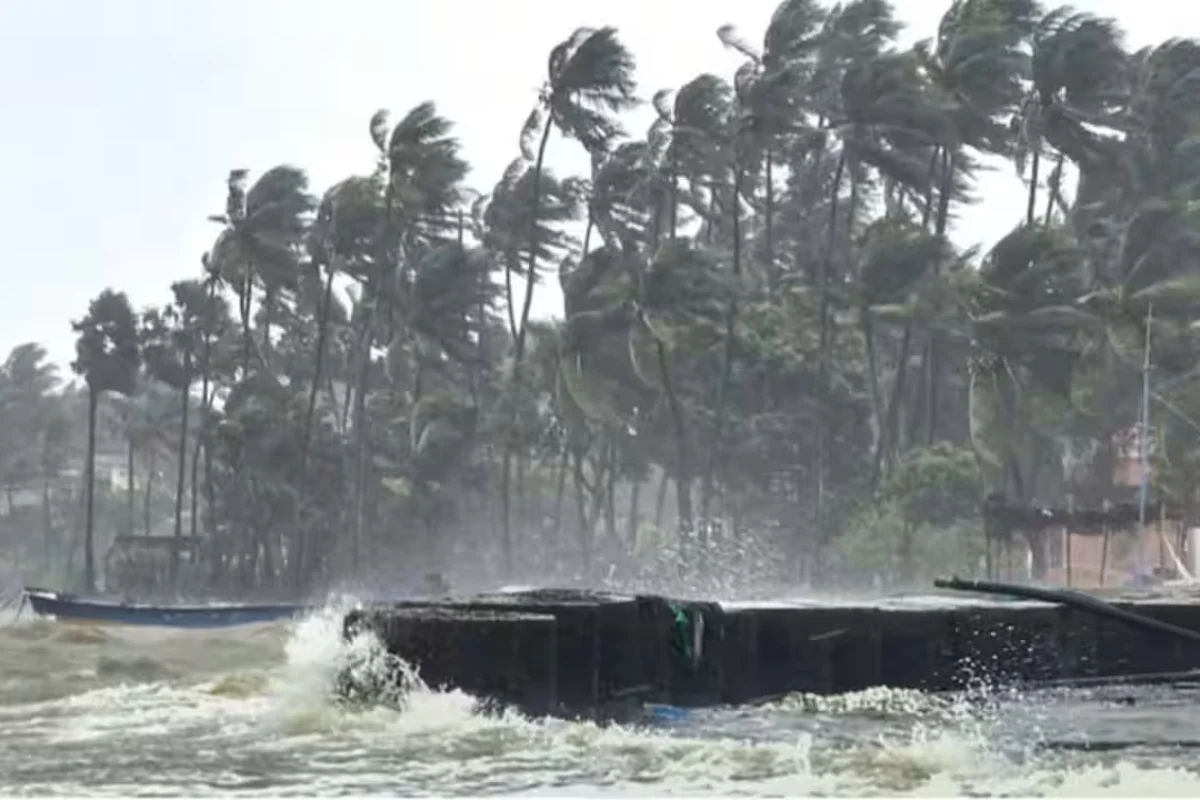
Odisha is on high alert as Cyclone Akvan approaches the eastern coast, prompting widespread precautionary measures across several districts. The state government has intensified its disaster management arrangements, ordered school closures, evacuated thousands of residents, and restricted access to vulnerable tourist destinations to minimize the impact of the severe weather system.
Cyclone Akvan Update: Odisha Begins Large-Scale Evacuations
The Odisha government has intensified evacuation operations under its zero-casualty mission. According to the latest reports on November 20, more than 3 lakh people have been evacuated from vulnerable areas across the state. The evacuation drive also includes pregnant women and residents living in low-lying coastal locations. The government has deployed hundreds of emergency response teams, including personnel from the National Disaster Response Force (NDRF), Odisha Disaster Rapid Action Force (ODRAF) and Fire Services.Cyclone shelters have been prepared to accommodate displaced residents, while district administrations are monitoring the situation and coordinating relief arrangements. The authorities are also working to maintain essential communication services during the cyclone.
Schools Closed Across Several Districts in Odisha
Educational institutions have been ordered to remain closed in several districts as a precautionary measure against Cyclone Akvan. The closure orders cover government, government-aided, and private schools, along with Anganwadi centres in affected areas. Six districts, including Ganjam, Gajapati, Puri, Jagatsinghpur, Kendrapara, and Kandhamal, were initially included in the three-day closure order from November 19 to November 21. Other district administrations have also announced precautionary closures depending on local weather conditions.
Tourist restrictions and coastal safety measures across Odisha
Authorities have also introduced restrictions at vulnerable tourist destinations and coastal locations as Cyclone Akvan approaches. Access to certain tourist spots in Rayagada and Gajapati districts has been restricted until weather warnings are withdrawn. Beach tourism activities have been suspended as part of the precautionary measures. People have been advised to avoid beaches, riverbanks, and other exposed coastal locations. The coastal stretch between Chikiti and Khallikote in Ganjam district has also been placed under heightened alert. Local administrations are monitoring vulnerable areas and taking steps to prevent visitors and residents from entering unsafe locations.
DON'T MISS
Cyclone Akvan Makes Landfall: IMD Issues Weather Warnings
According to the India Meteorological Department (IMD), Cyclone Akvan crossed the North Andhra Pradesh and South Odisha coasts near Gopalpur on the morning of November 20. The landfall process began with wind speeds of around 70–80 km/h, with gusts reaching 90 kmph. Although the storm has weakened into a cyclonic storm, it continues to pose risks of heavy rainfall, strong winds, and waterlogging in vulnerable locations. The IMD has continued to monitor the system and issue weather advisories for affected areas. Residents have been urged to remain cautious even after the landfall process begins.
Train services disrupted as Cyclone Akvan approaches
Cyclone Akvan has also affected transportation services across parts of Odisha and Andhra Pradesh. Railway authorities have canceled and rescheduled several trains as a precautionary measure. According to the latest reports, 47 trains have been canceled and 28 rescheduled to ensure passenger safety. Travellers have been advised to check their train status and revised schedules before starting their journeys. Fishing activities have also been restricted, with fishermen advised to stay away from the sea until November 21.
What precautions should residents follow?
With Cyclone Akvan affecting coastal regions, authorities have advised residents to take necessary safety precautions.
- Avoid unnecessary travel during heavy rainfall and strong winds.
- Stay away from beaches, rivers and coastal areas.
- Follow evacuation instructions issued by local authorities.
- Keep essential medicines, drinking water and dry food ready.
- Avoid touching fallen electric wires and damaged power lines.
- Follow weather updates and official government advisories.