


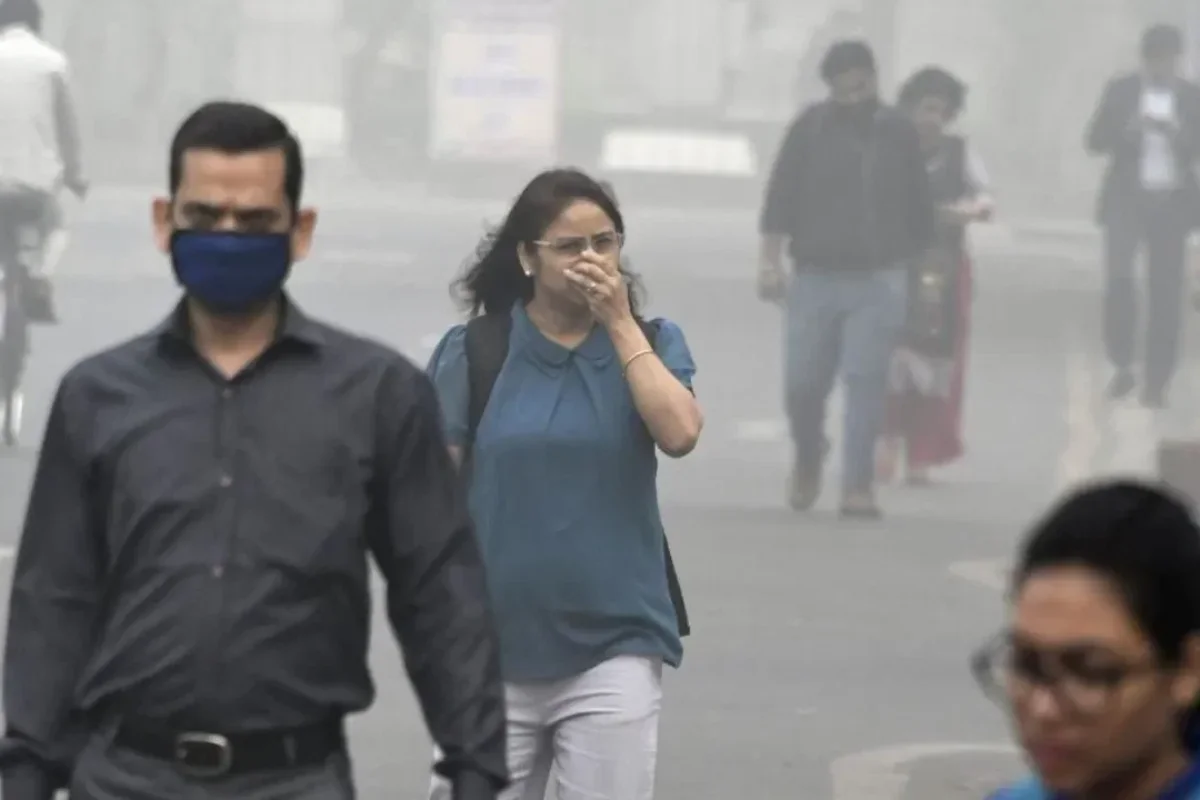
Delhi Pollution: Delhi’s winter smog is back. The city recorded a “very poor” AQI of 356 on November 17, and forecasts warned it could tip into “severe” through November 19. Earlier this month, AQI touched 419 with 33 stations in the “severe” category. You can’t clean the city’s air overnight, but you can reduce your exposure.
DON'T MISS
1. Wear a Properly Fitted N95 or N99 Mask
Doctors say cloth and surgical masks do little against fine particles. A well-sealed N95 or N99 mask is the recommended choice outdoors. Note that these masks do not protect against harmful gases, and doctors advise replacing them regularly instead of reusing them indefinitely.
2. Skip Outdoor Exercise on Bad Days
Avoid strenuous activity outside during heavy pollution, especially in the early morning, when pollutant levels can also be high. Shift walks, yoga and workouts indoors until the air improves.
3. Use an Air Purifier Indoors
A HEPA-filter purifier suited to your room size can cut indoor exposure. Prioritise the bedroom and keep windows closed when outdoor pollution is high. Maintain the filters regularly. If a purifier is out of budget, as it is for many families, limit time outdoors and use a good mask.
4. Check the AQI Before You Step Out
Follow real-time AQI readings and plan errands for cleaner hours. Avoid heavy traffic zones and construction dust, and don’t burn wood or waste at home.
5. Protect Children, Elders and Patients First
Keep children playing indoors on high-pollution days. People with asthma, COPD, heart conditions, pregnant women and newborns need extra care. See a doctor if you have persistent coughing, wheezing or breathing difficulty.
The Bottom Line
Cleaner air needs policy action, but these habits can lower your risk in the meantime. Doctors stress that these are short-term protections, not cures.