


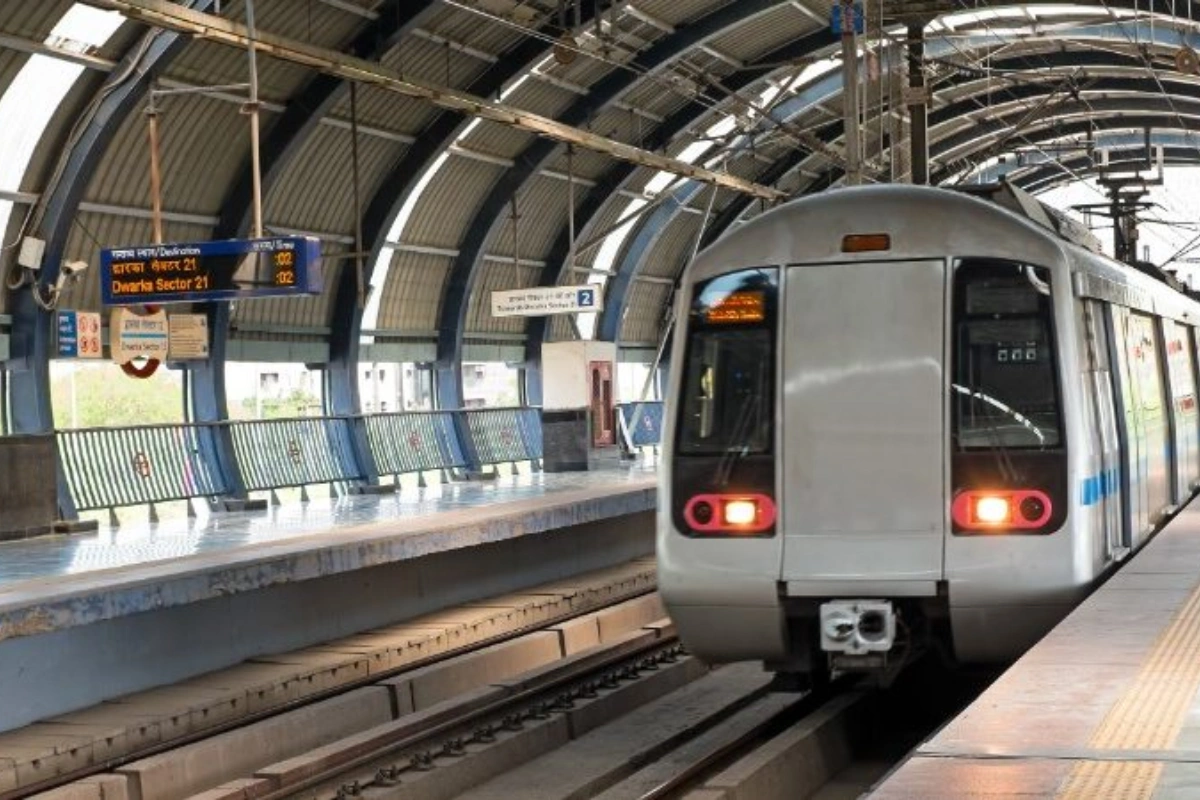
Delhi Metro: The Delhi government under the leadership of Chief Minister Rekha Gupta has announced that the proposed Shastri Park to Mayur Vihar Phase III Metro route would soon be a reality.
Delhi Metro-Areas To Be Served
The proposed 13.20-kilometre corridor is expected to connect several densely populated and commercially significant areas, including Mayur Vihar Phase III, New Kondli, Patparganj, Geeta Colony, Trilokpuri, Shastri Park, Nirman Vihar, Gandhi Nagar Market and Kailash Nagar.
DON'T MISS
According to preliminary details, the line would feature three underground stations and five elevated stations, which would strengthen connectivity between Central Delhi and Southeast Delhi.
While the project is still on the drawing board, the potential impact of the corridor is already sparking optimism among residents, commuters, traders and urban planners. The metro line could transform commuting patterns in parts of East Delhi that continue to grapple with traffic congestion, overcrowded roads and limited direct Metro access.
How Will It Help The Common Man?
East Delhi has witnessed rapid urbanisation over the past two decades, but transportation infrastructure has often struggled to keep pace with population growth.
Areas such as Geeta Colony, Kailash Nagar, Gandhi Nagar and Patparganj remain heavily dependent on road-based transport, including buses, auto-rickshaws, e-rickshaws and private vehicles. The proposed corridor appears designed to address precisely this gap.
Residents travelling from Mayur Vihar Phase III or New Kondli toward commercial districts in central Delhi often endure long road journeys marked by bottlenecks near bridges, intersections and market zones. Similarly, people commuting from Geeta Colony or Kailash Nagar to office hubs in Noida, Connaught Place or South Delhi frequently rely on multiple transport modes. The new corridor could substantially reduce travel time while improving last-mile mobility.
During peak hours, road congestion near the Geeta Colony flyover and surrounding arterial roads can significantly increase travel times. Patparganj, already an important residential and institutional hub, could emerge as one of the strategic anchors of the proposed corridor. The locality houses schools, hospitals, apartment complexes, and industrial pockets, but road congestion remains a major concern, particularly during office hours.
Kailash Nagar and Gandhi Nagar Market may witness an equally significant shift. Traders may benefit from easier customer access, and workers commuting daily to factories and wholesale units could experience shorter and more reliable travel times.