

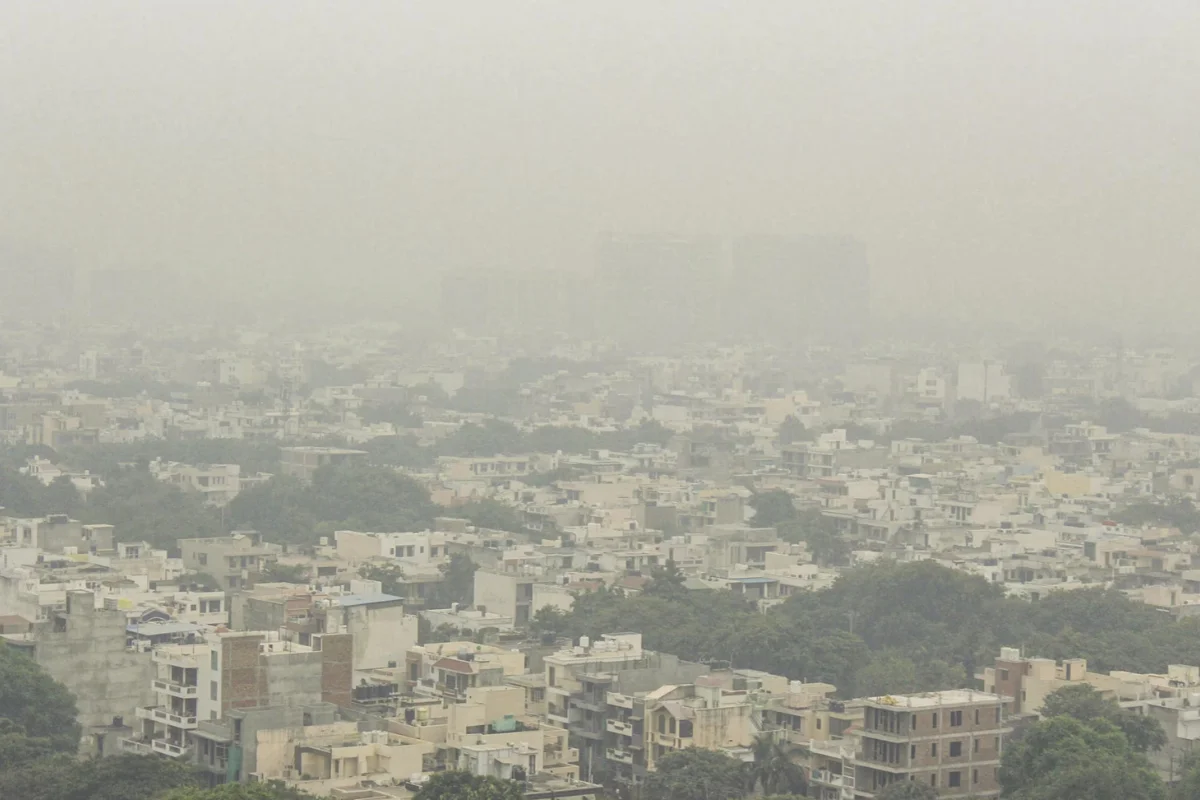
Delhi Pollution: Delhi‘s air quality stayed “very poor” on Wednesday, with a city-level AQI of 301, while Gurugram and Noida recorded 289 and 243. Of the capital’s monitoring stations, 56 showed readings above 200 and 29 crossed 300. A satellite picture of grey haze blanketing north India is also doing the rounds on social media, and it has renewed alarm over the region’s winter smog.
DON'T MISS
What the Numbers Say
The government’s early warning system put Delhi at 373 on November 9, in the “very poor” band under GRAP Stage 2. Readings above 300 mean everyone may feel health effects, and children, the elderly and people with lung or heart conditions are most at risk.
Why the Haze Keeps Coming Back
Delhi’s winter smog is usually blamed on a mix of vehicle fumes, construction dust, industrial emissions, crop burning in neighbouring states and slow winter winds that trap pollutants near the ground.
5 Ways To Tackle the Menace
1. Curb stubble burning. Farm fires in neighbouring states add heavily to the smog, so incentives and machinery for crop-residue management need to reach farmers faster.
2. Cut vehicle emissions. More public transport, carpooling and electric vehicles can reduce the daily load of exhaust fumes.
3. Control construction dust. Covering sites, sprinkling water and keeping to the ban on non-essential construction when GRAP restrictions apply can limit dust.
4. Enforce GRAP early and strictly. GRAP-II applies when AQI is between 301 and 400, and Stage III begins at 401-450. Acting before the numbers spike can prevent the worst days.
5. Protect yourself. Avoid outdoor exercise during peak hours, wear an N95 mask outside and keep windows shut on bad days. Use air purifiers if you can.
The Way Forward
Experts say seasonal emergency measures are not enough. Delhi and its neighbouring states need steady, year-round action on vehicles, industry, dust and farm fires.


