

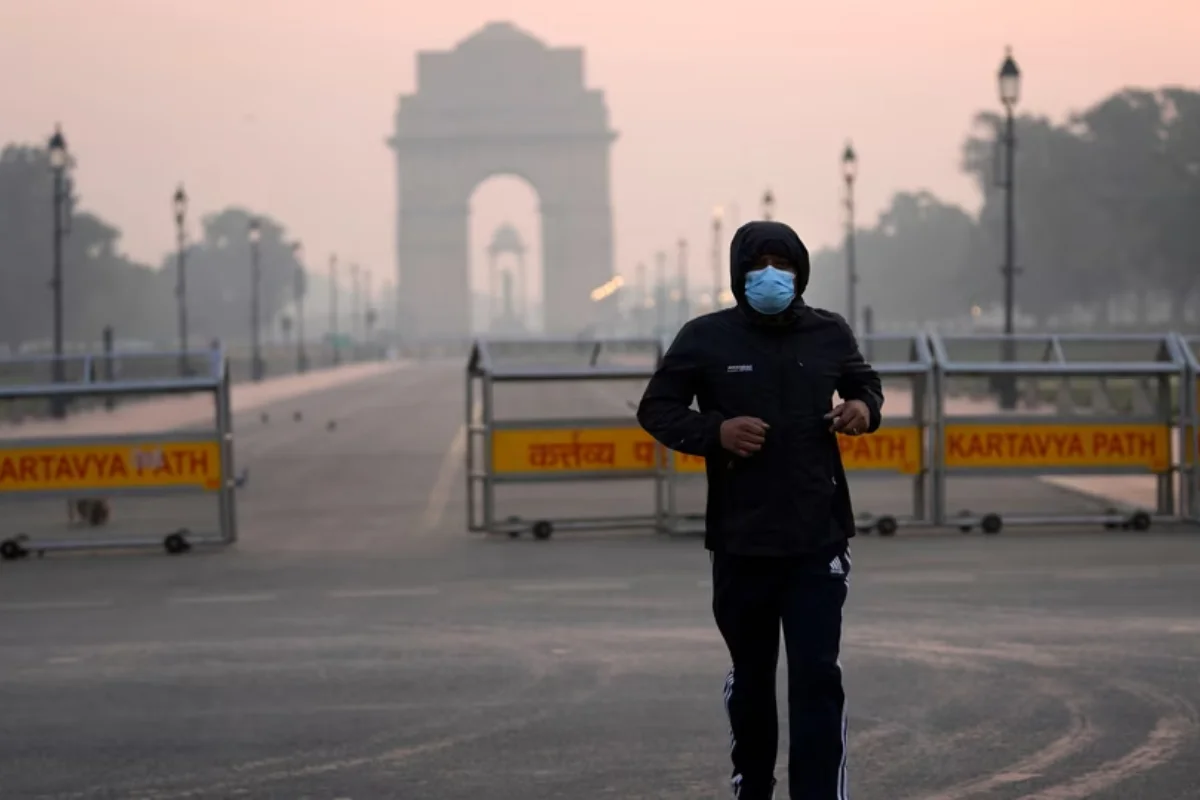
Delhi is also witnessing Delhi pollution in the national capital because of the worsening air quality before Diwali. The Air Quality Index (AQI) in Delhi reached over 330 on Tuesday, November 3, which is in the severe category, which has severe air quality. Few places recorded the AQI of over 400, which is in the ‘severe’ category. Increased pollution has raised new worries for those residing in Delhi and its surrounding regions. Portions of the city are covered by a blanket of smog, and its residents are witnessing a another challenging phase of bad air quality. Delhi‘s AQI stood at 331 at 7 am on November 3, based on data by the Central Pollution Control Board (CPCB). Delhi has seen worse air quality than the current level after the AQI improved a little following rain last week.
Stubble burning adds more smoke to Delhi’s air
Another most important cause of increasing Delhi Pollution is stubble burning in Punjab and Haryana. Once the paddy harvest is over, some farmers burn their crop waste in fields to make way for the next crop. This pollutes air with smoke and other hazardous particles. Some of this smoke is carried towards Delhi-NCR by winds from the north-west direction. There have also been reports of a rise in farm fires in the evening, which could potentially mean some fires are not picked up by the satellite that flies over the area early in the day.
Vehicle emissions make the situation worse
For most people working and living in Delhi, transport is a primary source of air pollution.
Vehicles, including buses, cars, trucks and two-wheelers, emit various gases and microscopic particles into the environment. There is more emission of pollutants in the city due to heavy traffic and long traffic congestion. On any given day, vehicles get into Delhi from nearby cities and states. More vehicles on busy streets and pollution. Introduction: Authorities are also implementing additional restrictions on some vehicles entering the capital to regulate the emission from vehicles.
Changing Weather Conditions Trap Pollutants
The weather also has a key impact on the air quality of Delhi. In winter, it is getting colder, and the winds often get down. When the wind slows down, the pollution doesn’t get dispersed it stays very near the ground. This enables cigarettes, dust and other disease particles to collect inside the air. Rain and wind would have helped to clear pollution. But when the weather system moved out, conditions returned to unfavourable winds and pollution went back up again.
DON'T MISS
Construction Dust and Industrial Emissions Add to Pollution
Construction activities also contribute to Delhi-NCR’s air pollution. Dust kicked up from roads, construction sites, demolition and exposed building materials can get into the air. Industrial processes and emissions from burning fuel also release harmful pollutants. These sources further increase the pollution generated by vehicles and stubble burning. Operators have been urged to step up enforcement inspections at construction sites and pollution sources. Road sweeping and watering with water sprinkling technology are also adopted to control dust.
Diwali Raises Fresh Concerns About Air Quality
As Diwali falls on 8 November, the concern about Delhi Pollution has risen even higher.
Firecrackers emit smoke and toxic particles to the atmosphere. This can contribute to the existing pollution in the city. And this is just the present spike in AQI that started even before Diwali. Stubble burning, vehicle pollution and bad weather conditions are already playing spoilsport. Festival time might put further strain on the city’s pollution if the firecracker pollution adds to the current pollution.
What steps are authorities taking to control Delhi pollution?
The CAQM imposed Stage 2 restrictions under the GRAP as air quality remained in the very poor category.
Some key measures are:
- .An increased level of charges will be maintained to discourage the use of privately-owned vehicles.
- Hotels and restaurants travel restrictions on the use of coal and firewood.
- Enhanced mechanical road sweeping and water sprinkling.
- An increase in the number of site visits to construction and demolition sites.
Delhi Pollution Is Still a Major Headache Before Diwali
The rise in AQI indicates that things are likely to get worse in Delhi as winter beckons. Stubble burning, vehicular emissions, construction activities and weather are worsing the situation.
While new restrictions have been imposed by the authorities, pollution has to be tackled by all sectors of society and citizens. As Diwali approaches in a few days, the question is: will the city continue to go up in smoke or go down in flames in the next few days? For the residents of the city, clean air is still a concern as the city moves into yet another pollution season.


