


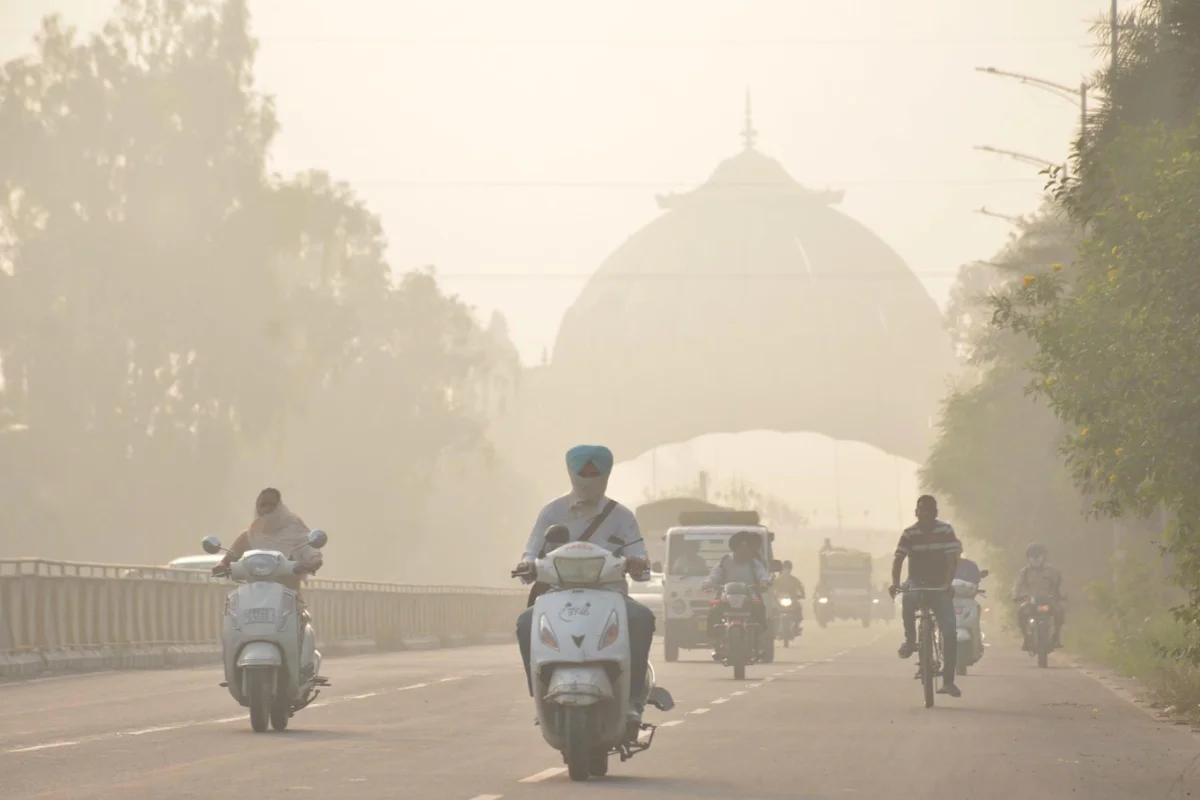
Delhi Pollution: Delhi’s air quality has become a growing concern as pollution levels rise and the Air Quality Index (AQI) reaches dangerous levels. Thick smog, vehicle emissions, construction dust, and other pollutants are making it difficult for residents to breathe clean air. Exposure to polluted air can cause coughing, throat irritation, breathing difficulties, and other health problems. As Delhi Pollution continues to raise alarm bells, protecting lung health has become important. Here are seven simple precautions residents can follow to reduce exposure to harmful air.
7 Ways to Safeguard Your Lungs from Delhi Pollution
1. Wear an N95 mask:
Wear a well-fitted N95 mask whenever you step outside. It helps filter harmful airborne particles, including PM2.5.
2. Avoid outdoor exercise:
Avoid morning walks, jogging, and cycling when AQI levels are very poor or severe. Choose indoor workouts instead.
DON'T MISS
3. Keep windows closed:
Keep doors and windows closed when outdoor pollution is high to prevent polluted air from entering your home.
4. Use an air purifier:
A HEPA air purifier can help remove fine pollution particles and improve indoor air quality.
5. Stay hydrated:
Drink enough water throughout the day to prevent throat dryness and maintain hydration.
6. Avoid smoking:
Stay away from cigarette smoke, mosquito coils, and other indoor pollution sources that can further affect air quality.
7. Do not ignore symptoms:
Persistent coughing, wheezing, chest tightness, and breathing difficulties should not be ignored. Consult a doctor if symptoms worsen.
Why is Delhi’s pollution dangerous?
Delhi‘s air pollution is caused by several factors, including vehicle emissions, industrial activities, construction dust, road dust, and stubble burning in neighbouring states. During winter, low wind speeds and temperature inversions can trap pollutants close to the ground, making air quality worse. Fine particles such as PM2.5 can enter deep into the lungs and may affect overall respiratory and cardiovascular health. Children, older adults, and people with existing health conditions are particularly vulnerable. As Delhi continues to battle rising pollution, checking AQI levels, limiting outdoor exposure, and following basic safety measures can help residents protect their lungs and reduce health risks.