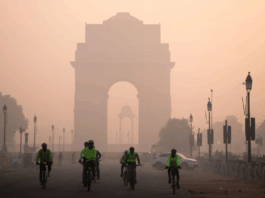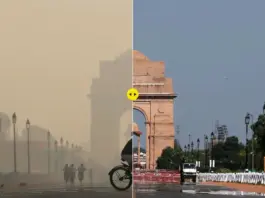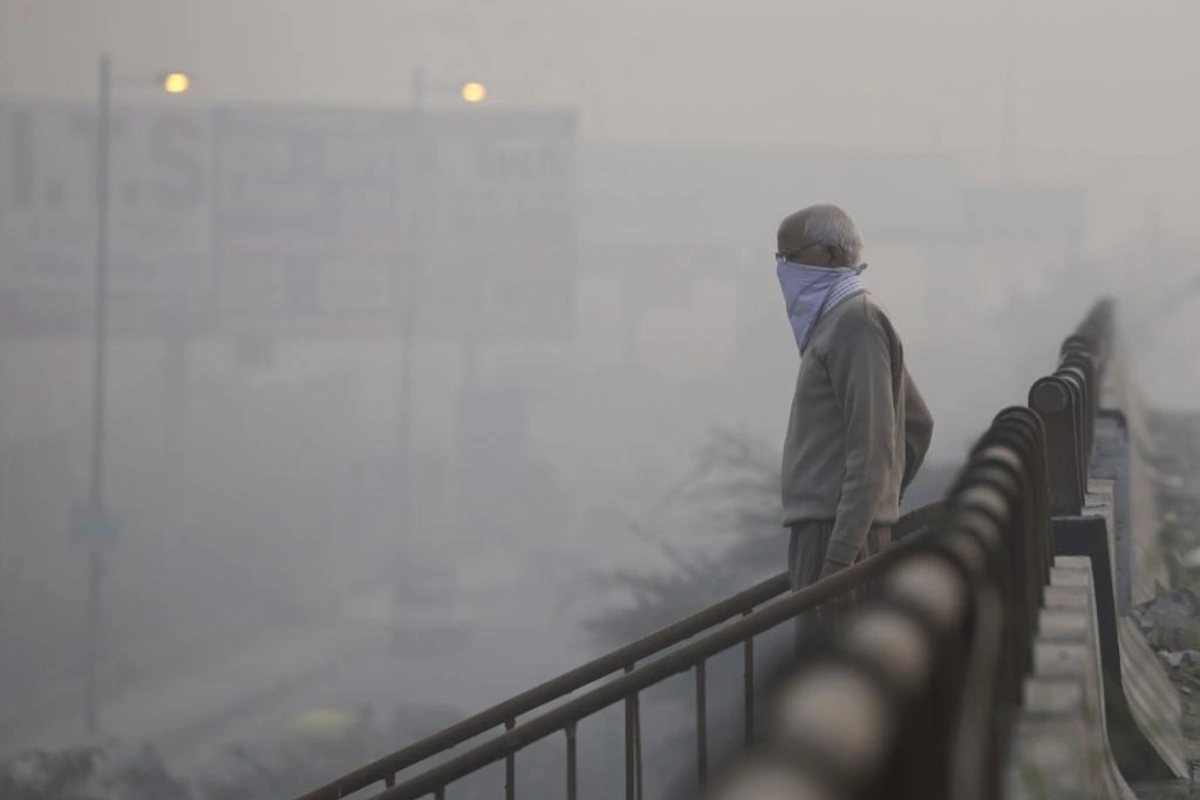
Delhi Pollution: Delhi’s air pollution remains a concern, especially in winter. Despite slight improvements, many areas still face severe pollution, underscoring the importance of health precautions such as N95 masks.
Current Air Quality Situation in Delhi
Recent data shows a slight improvement in Delhi’s AQI. However, many areas continue to experience severe pollution from PM2.5, PM10, and toxic gases, posing risks to children, the elderly, and individuals with respiratory conditions.
DON'T MISS
Health Risks of Severe Air Pollution
Severe air pollution can cause a range of health problems. Short-term effects include eye irritation, coughing, and respiratory difficulties, whereas long-term exposure can lead to chronic respiratory diseases, cardiovascular disease, and reduced lung function.
Can N95 Masks Protect Your Lungs?
N95 masks are designed to filter at least 95% of airborne particles, including fine PM2.5 pollutants. They are considered one of the most effective masks for protecting against air pollution. However, the level of protection depends on proper fitting and consistent usage.
- Proper Fit: Ensure the mask covers your nose and mouth completely without gaps.
- Quality Check: Use certified N95 masks rather than cheaper alternatives.
- Duration of Use: Replace masks regularly if used for extended periods in polluted areas.
While N95 masks significantly reduce exposure to harmful particles, they cannot eliminate risks, especially in areas with extremely high pollution levels.
Additional Safety Measures
Along with wearing N95 masks, residents can take other precautions to reduce exposure:
- Stay indoors during peak pollution hours.
- Use air purifiers at home, especially in bedrooms.
- Avoid outdoor exercise or heavy physical activity on high-pollution days.
- Monitor AQI levels daily and plan travel accordingly.