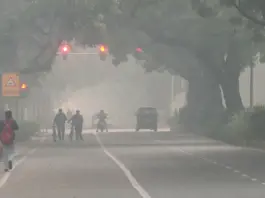
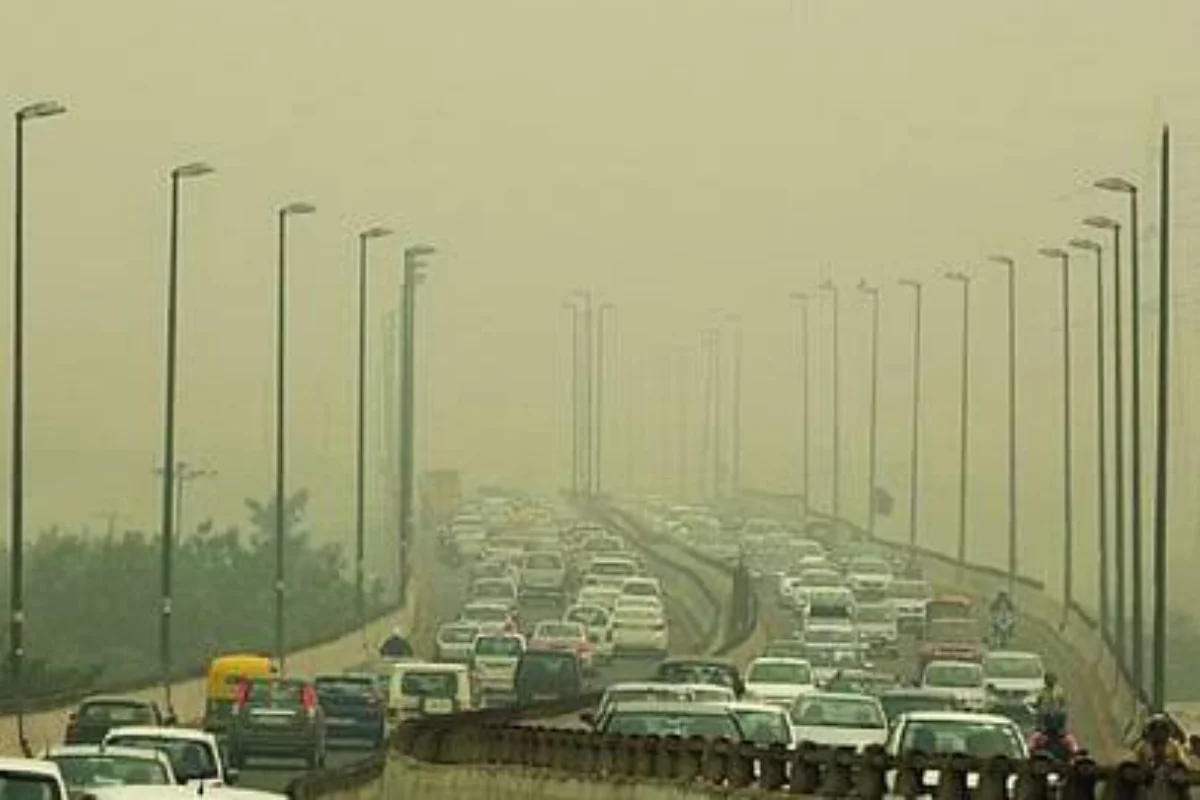
Haze covered parts of Delhi-NCR on Wednesday morning, October 21. Visibility dropped as air quality declined after the Dussehra festivities. The capital’s AQI moved into the ‘poor’ category, the first such reading of the season.
DON'T MISS
AQI Jumps Overnight
Delhi’s AQI crossed 200 at 2 am and stayed in the poor range in every hourly reading after that. It stood at 227 at 7 am, 48 points above Tuesday’s 4 pm figure of 179. By 9 am, the CPCB recorded 233.
Until now, October had mostly been ‘moderate’. The AQI was 187 on October 18, 139 on October 19 and 179 on October 20. Delhi last had poor air on July 12 and 13.
Why Air Quality Worsened
Officials and reports link the dip to Dussehra celebrations, low wind speeds and stubble burning in Punjab and Haryana. Weak winds keep pollutants close to the ground, and cooler mornings add to the haze. Satellite counts of farm fires may not tell the full story either. Farmers often light fires after 4 pm, when satellites no longer record them.
Hotspots Already ‘Very Poor’
The city-wide average hides worse pockets. Jahangirpuri recorded an AQI of 308, while Pusa recorded 314, both in the ‘very poor’ band (301 to 400).
What Lies Ahead
The outlook is not encouraging. The Air Quality Early Warning System expects poor air on October 21, 22 and 23, with similar conditions after that. One forecast puts the AQI at 342 on October 22, which is ‘very poor’. The government has announced winter pollution-control measures from November 1.
Until then, residents, especially children, older adults and people with asthma or heart conditions, should limit long outdoor exposure in the early morning, when smog is thickest. Wearing an N95 mask outdoors and keeping windows shut during peak pollution hours can help. With winter approaching, the first ‘poor’ day of the season is an early warning for the weeks ahead.