

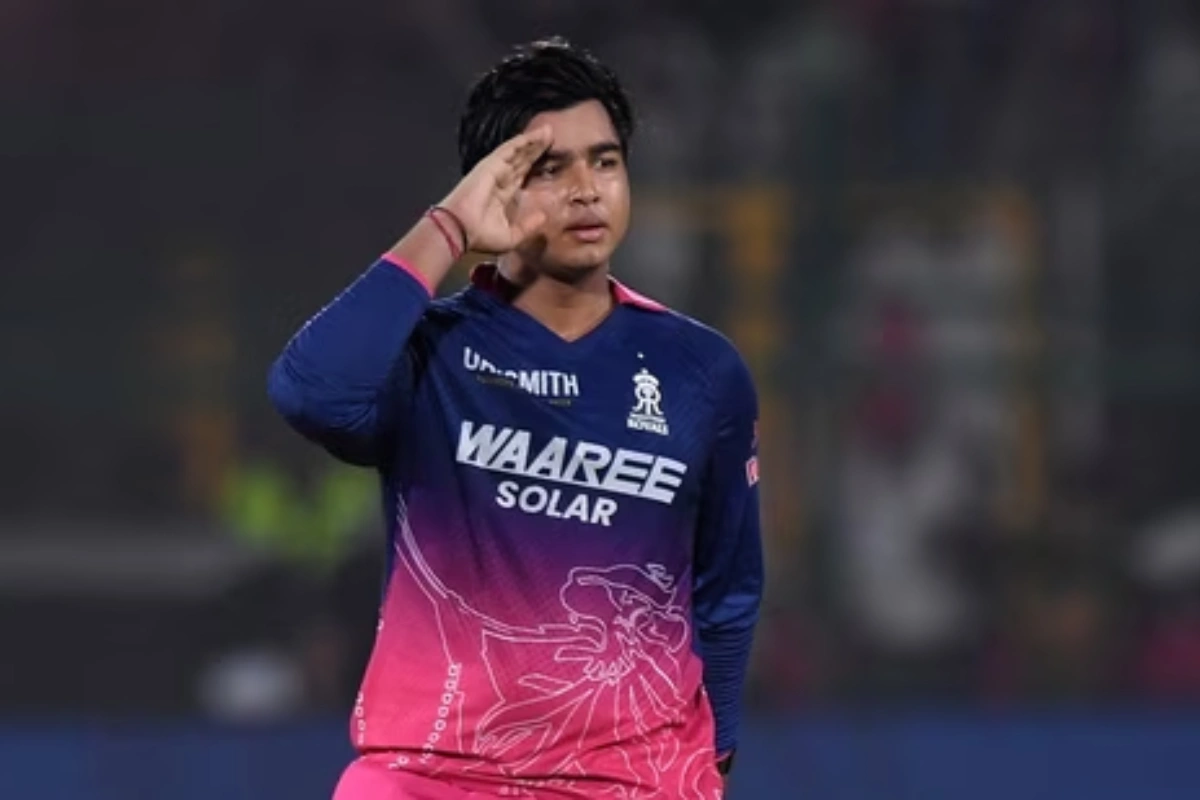
The story around young cricketer Vaibhav Sooryavanshi has triggered conversations not only about sports but also about public behaviour, pressure, and the way rising personalities are treated outside the field.
DON'T MISS
The discussion gained further political attention after Karnataka Deputy Chief Minister D. K. Shivakumar made remarks regarding politics, power dynamics, and the functioning of institutions in the country.
DK Shivakumar Questions Political Functioning
During political discussions, DK Shivakumar said that “some people do not agree to share power,” a statement widely interpreted as a comment on internal political equations and leadership struggles.
He has also previously alleged that central agencies are often used against opposition leaders, calling such actions politically motivated. His remarks have repeatedly fuelled debates over the independence of investigative agencies and political targeting in India.
Public Figures Face Different Realities
The broader discussion linked Shivakumar’s political remarks with the larger theme highlighted in the Vaibhav Sooryavanshi story — that public figures often experience two contrasting realities.
While athletes and politicians may receive admiration, applause, and public support in one moment, they can also face criticism, scrutiny, trolling, or political attacks outside those spaces.
Focus on Pressure Faced by Young Talent
Observers say young athletes today face enormous pressure due to social media attention, public expectations, and constant scrutiny at an early stage of their careers.
The conversation around Vaibhav Sooryavanshi has therefore become symbolic of a larger issue involving fame, public behaviour, and the emotional pressures faced by emerging personalities in sports and public life.
Debate Continues Across Sports and Politics
The issue has now evolved into a wider discussion involving politics, public discourse, media narratives, and how society treats individuals in positions of visibility and success.