

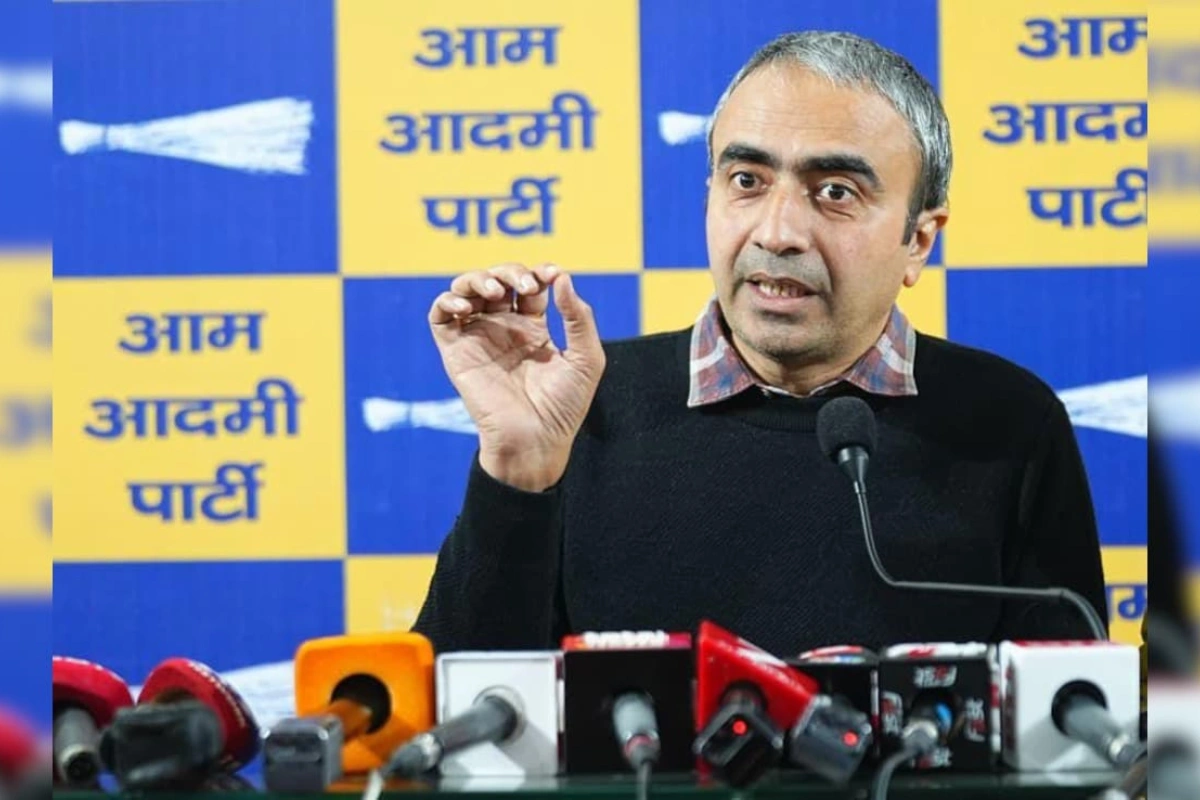
Anurag Dhanda: Aam Aadmi Party (AAP) leader Anurag Dhanda has launched a fresh and sharp attack on the Nayab Singh Saini-led Haryana government, saying he never imagined that the phrase “Udta Haryana” would actually become the state’s reality. For years, this term was used as a warning sign about the growing drug problem in areas bordering Punjab. Today, according to Dhanda, that warning has turned into a lived experience for thousands of families across the state.
What Dhanda Actually Said
Speaking out against the BJP government, Dhanda accused Chief Minister Nayab Singh Saini of failing to control the spread of narcotics in districts like Sirsa, Fatehabad, and other areas along the Punjab border. He pointed out that young lives are being lost every month to drug overdoses, and that families are struggling to get their loved ones proper de-addiction support. His comment reflects growing anger among opposition leaders who believe the state government has been slow, or even indifferent, in tackling the crisis.
Why This Matters to Common People
For an average Haryana resident, this isn’t just political noise. Drug addiction affects real families — a son, a brother, a neighbour. When leaders like Dhanda raise these issues publicly, it puts pressure on the government to act faster, whether that means opening more de-addiction centres, increasing police action against traffickers, or improving support systems for affected youth.
The Bigger Political Picture
This isn’t the first time Dhanda has targeted the Saini government. He has previously criticised the administration over law and order, unfulfilled welfare promises, and poor infrastructure. His “Udta Haryana” remark adds a sharper, more emotional edge to AAP’s ongoing campaign, aiming to position the party as the voice raising real, on-ground issues ahead of future elections.
Political Heat Set to Rise Ahead of Elections
Anurag Dhanda: The Haryana government has yet to issue a detailed response to this specific remark. However, with opposition pressure mounting, the drug menace is likely to remain a major talking point in state politics in the coming months.


