

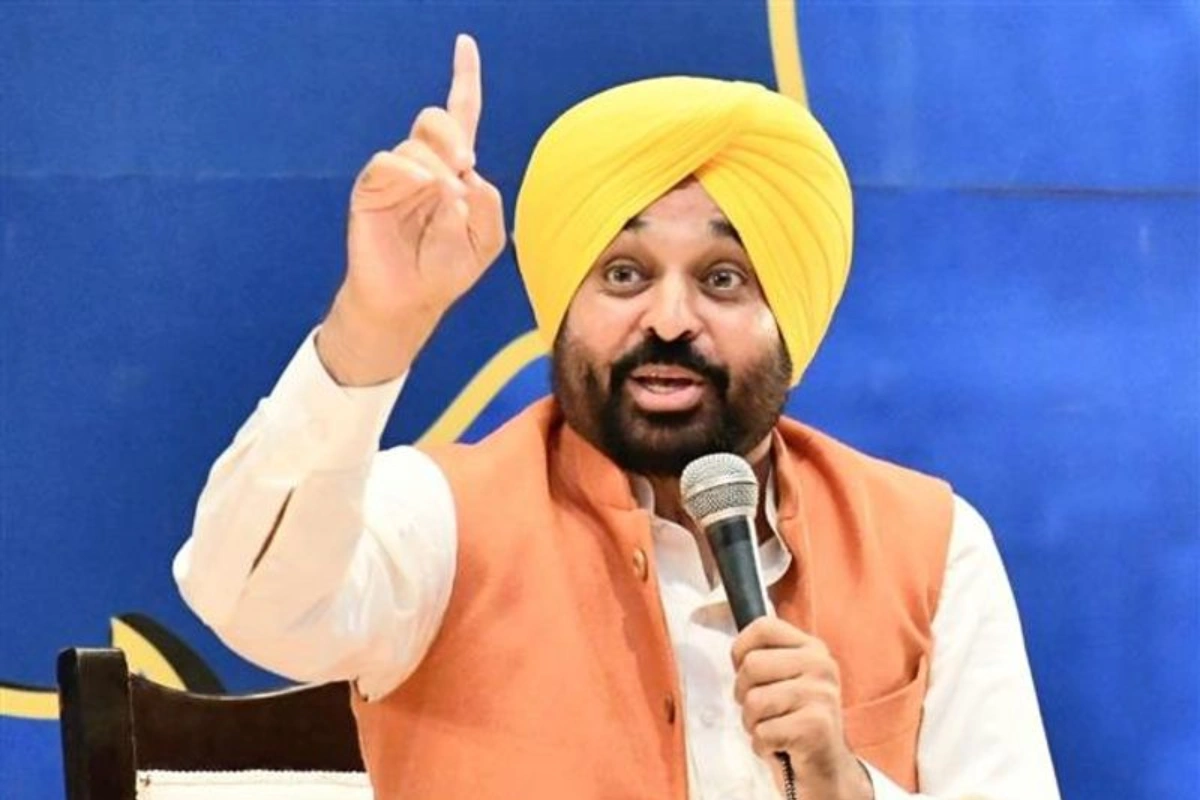
Bhagwant Mann: The state of Punjab under the leadership of Chief Minister Bhagwant Mann, is poised to become a leading aviation training hub by introducing affordable pilot training courses for all aspiring pilots from across India. These initiatives will not only reduce the overall cost of pilot training in India but also provide qualified and trained individuals for the aviation industry.
The state government will provide cost-effective training
In the past, training for commercial pilots was extremely high-priced – many students travelled abroad to obtain their commercial pilot’s licence (CPL). By providing high-quality, affordable commercial pilot training, the Punjab government is making careers in aviation possible for a greater number of students from multiple socio-economic backgrounds.
DON'T MISS
World-Class Training at Reduced Costs
The purpose of the pilot training programme is to significantly decrease the monetary costs associated with using aircraft, instructor fees, fuel costs, and overall operational costs through the use of modern training methodologies, advanced training devices (simulators), and creating training syllabi consistent with the DGCA standards (Directorate General of Civil Aviation). As a result of this creation, students will be receiving world-class education at a fraction of the cost that currently exists in India.
The project will not only train pilots, but it will also create jobs in other areas of aviation, such as aircraft maintenance, ground operations, and training support services. Most of the youth in these regions will be able to gain specialised skills that will enable them to find job opportunities within their home state rather than leaving the state or country to develop these skills.
Government officials believe that their long-term goal is to establish a complete aviation
ecosystem in the state of Punjab. To achieve this, they plan to grow flying schools, upgrade existing airport facilities, and attract private industry into the aviation sector in the state of Punjab. This initiative matches India’s increasing demand for pilots because airlines are expanding both their domestic and international route systems.
The move to increase pilot training in Punjab is considered to be an opportunity for Punjab to become an area of preference for aviation education in India. Educational experts are interpreting this move as a strategic investment in the future workforce. Combining policies to support affordability, improving infrastructure, and creating an environment conducive to learning and developing a strong workforce will create opportunities for the state of Punjab and the future of its youth.


