


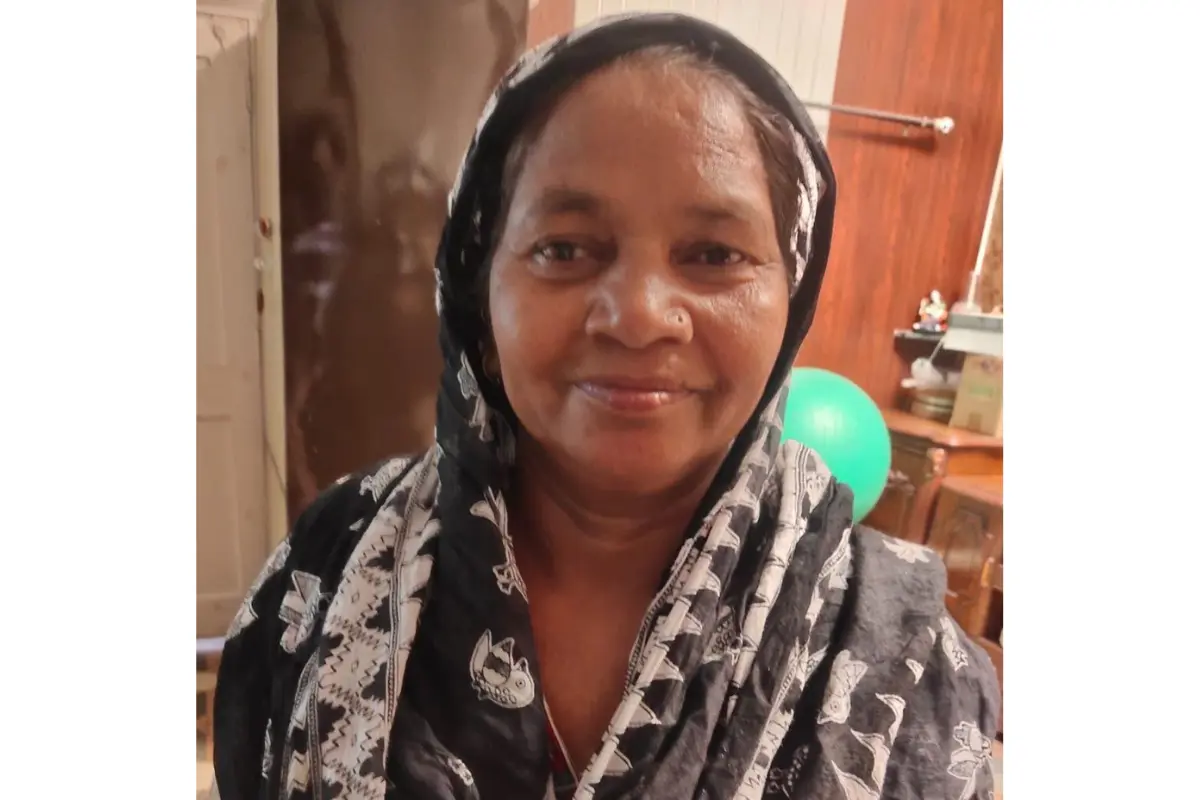
Mukh Matri Mawan Dhiyan Satkar Yojana of the Punjab Government has generated widespread excitement among women across the state. Many have already received the money in their bank accounts, while others are awaiting the transfer.
For thousands of women across Punjab, the first payment is more than a financial transfer. It is an opportunity to fulfil long-postponed wishes, support their children’s education, improve their own health and, for many, experience the dignity of having money deposited directly into their own bank accounts.
Gagandeep Kaur (40), from village Adalatpur, was delighted to receive the payment. “I received ₹3,000 in my account. I haven’t spent it yet because I want to use it only for my son. I will fulfil whatever he wishes for with my own money. When my child is happy, I feel happy too. Every payment I receive will be spent on him,” she said with a smile, adding in Punjabi, “Jo oho manguga, ohi dava doongi” (I will buy him whatever he asks for).
For Soma, a domestic worker from Ichchewala village, the message confirming that ₹4,500 had been deposited into her account brought both relief and excitement. “I am very poor, but this government has done something good by giving women money directly in their bank accounts. It gives us security and self-respect. If cash had been handed over physically, family members could have taken it away. Money in our own account gives us financial security too,” she said.
Battling poor health and low haemoglobin, Soma already knows how she will spend the money. “I’ll buy nutritious food. I want to eat beetroot and nuts because doctors have advised me to improve my haemoglobin. I’ll even buy dragon fruit. I first saw this fruit on an episode of The Kapil Sharma Show. Until then, I thought only rich people ate it. This time, I’ll finally taste it myself,” she laughed.
Her daughter, who has recently passed Class XII and is joining college, has also enrolled under the scheme. “Together we’ll receive Rs 6,000 every quarter. She has been asking for new clothes for college—a dress, a fancy salwar-kameez and sandals. My husband is unemployed, so there is always a shortage of money at our house. I kept postponing it. Now she’ll finally get what she wanted. We’ll also save some money for her books,” Soma said. She has six daughters.
When Soma and her two sisters-in-law, Ritu and Zeena, received SMS alerts on their mobile phones announcing that the money had been credited, the three women broke into an impromptu dance. Living in a joint family, they together received ₹13,500, enough to meet several immediate household needs.
DON'T MISS
For Renu (53), a homemaker from Sunam, the payment represents independence rather than its monetary value. “We don’t earn on our own. We depend on our husbands or sons even for small household expenses. I have two married daughters. With this money, I want to buy sweets, snacks and fruits and invite both of them home. It will be my treat,” she said.
Savita (47) sees the assistance as an opportunity to build savings. Her husband has been unable to work since suffering a serious heart ailment two years ago. “My daughter is also eligible for the scheme, so together we’ll receive ₹6,000. I plan to deposit ₹1,000 every month in a post office savings scheme, while my daughter can spend her share on small personal needs she usually ignores,” she said.
For Jasbir Kaur, who works as a domestic help in three households in Bathinda, the scheme is closely tied to her daughter’s higher education. “I am entitled to ₹1,500 because I belong to the Scheduled Caste category, but I couldn’t upload my caste certificate while applying because I never got one made. I’ll get one made now and request the government to update my category. Even ₹1,000 a month is significant. My daughter is taking admission to the first year of BA, and I’ll use the money for her admission,” she said.
In Gurdaspur, Raj (55) has already withdrawn part of her payment. “I received ₹3,000 but have withdrawn only ₹1,000 so far. Every rupee will go towards my medicines. I remain unwell and treatment costs a lot. At least now I won’t have to ask others for money to buy medicines,” she said.
She plans to use the remaining amount later for medicines, as she has been suffering from poor health. “My legs hurt badly and I cannot walk properly. Now I will spend this money on medicines and vitamins,” she said.
The scheme fulfils one of the Aam Aadmi Party’s key election promises. During a rally in Moga in November 2021, then Delhi Chief Minister Arvind Kejriwal had promised monthly financial assistance for women if the party formed the government in Punjab.
Across villages and cities alike, the conversations around the first payment reveal that while the amount may be modest, its significance extends well beyond the money itself. For some, it means education; for others, better health, savings, family celebrations or simply the satisfaction of spending from an account that bears their own name.