

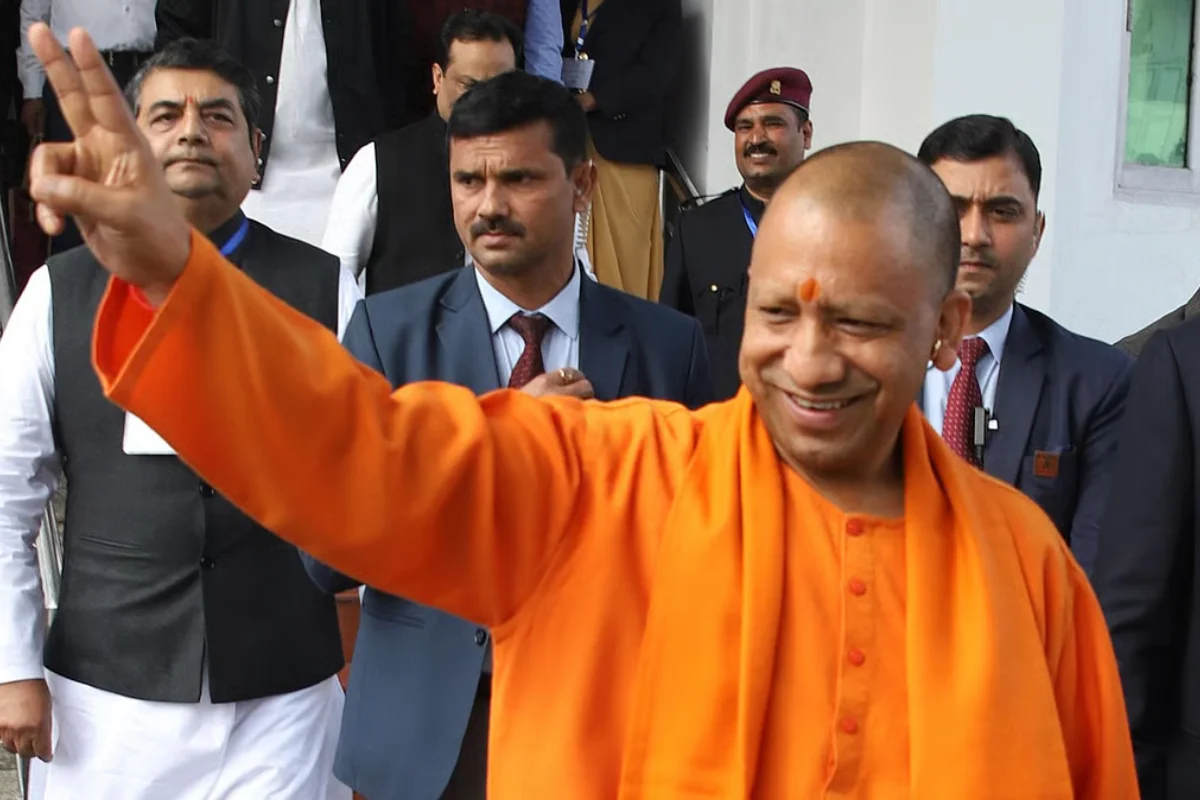
CM Yogi Aditynath: Uttar Pradesh Chief Minister Yogi Adityanath on September 23, 2026, launched Bharat Taxi in the state, extending the country’s first cooperative-led ride-hailing platform to one of India’s largest markets. The rollout positions drivers as owners and stakeholders rather than gig workers dependent on private aggregators.
What Is Bharat Taxi
Bharat Taxi is operated by Sahakar Taxi Cooperative Limited (STCL) under the Union Ministry of Cooperation. Unlike conventional platforms such as Ola, Uber and Rapido, drivers, referred to as “Sarathis,” become member-owners of the cooperative rather than working purely as commission-paying service providers.
Already Live In Four UP Cities
According to Adityanath, Bharat Taxi is already operational in Lucknow, Gorakhpur, Varanasi and Prayagraj. At Wednesday’s launch event in Lucknow, the platform signed memoranda of understanding with Lucknow Airport, Lucknow Metro and Lucknow Police to support integration with the city’s wider transport network.
From Gig Work To Ownership
Speaking at the launch, Adityanath said drivers had long lacked security and dignity in their work. “Till now, there was no security for them. They were left to fend for themselves. The poor person’s dignity was also disregarded,” he said. He added that drivers putting the Bharat Taxi brand on their vehicles would feel a sense of pride, since the service represents “the taxi of the entire country” rather than just a means of carrying passengers.
Statewide Expansion On The Cards
The Ministry of Cooperation had earlier announced, on September 17, that Bharat Taxi would expand to all 75 districts of Uttar Pradesh, including villages, under the same zero-commission cooperative structure.
Part Of A Larger Cooperative Push
CM Yogi Aditynath: Alongside Bharat Taxi, Adityanath also launched the Mukhyamantri Krishak Samriddhi Yojana at the same event, under which small and marginal farmers will get long-term loans through the Uttar Pradesh Cooperative Rural Development Bank at a reduced interest rate of 6 per cent, down from 11 per cent.


