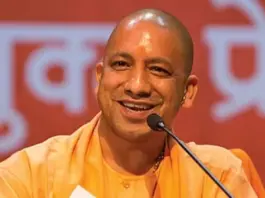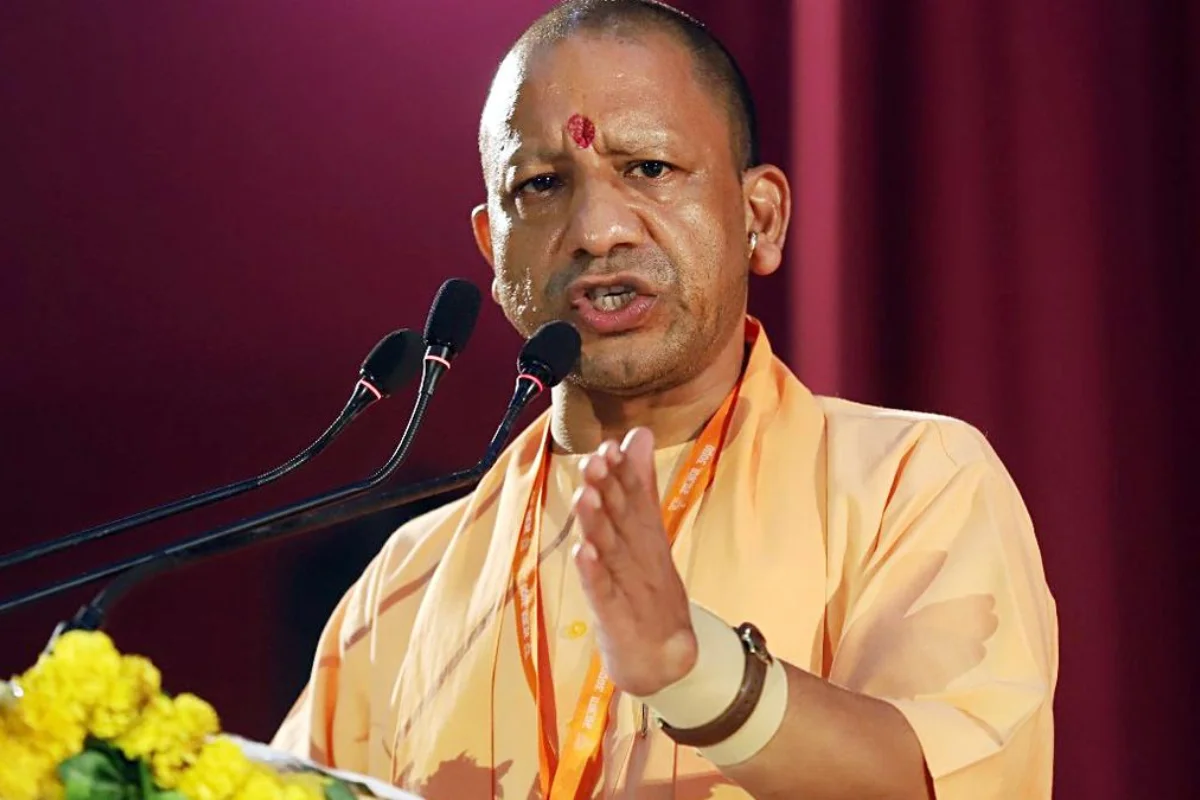
Uttar Pradesh CM Yogi Adityanath held a public interaction session, popularly known as “Janata Darshan,” at his official residence in Lucknow, where he personally listened to grievances and requests from citizens who had travelled from different districts across the state.
CM Yogi Adityanath Hears Public Grievances at ‘Janata Darshan’ in Lucknow
Officials said the programme reflects the administration’s focus on direct public engagement and responsive governance. During the session, the Chief Minister reviewed individual complaints and instructed concerned departments to ensure swift and effective resolution of issues raised by attendees.
Senior officials from multiple departments were present during the interaction
According to government sources, such interactions allow authorities to identify ground-level problems more accurately and monitor the implementation of welfare schemes and administrative services. They added that feedback received during these meetings often helps streamline policy execution and address gaps in service delivery.
Senior officials from multiple departments were present during the interaction to record complaints and initiate immediate action wherever possible. The state government maintains that regular grievance-hearing forums remain a key part of its governance approach, aimed at strengthening accountability and public trust.
The Chief Minister reiterated that public welfare and efficient administration remain top priorities, and directed officials to handle citizens’ concerns with urgency, sensitivity, and transparency.
In addition, officials stated that many attendees presented applications related to land disputes, pension approvals, housing benefits, medical assistance, and law-and-order concerns. The Chief Minister reviewed several cases on the spot and instructed departments to submit progress reports within fixed timelines to ensure accountability.
Sources said that district administrations have been directed to replicate similar grievance-redressal mechanisms at the local level so that citizens can access solutions without needing to travel to the state capital. This decentralised approach is intended to make governance more accessible, particularly for people from remote and rural areas.