


Uttar Pradesh has added another milestone to its wetland conservation efforts, with Sauj Jheel receiving recognition as a Ramsar site of international importance. The designation takes India’s total number of Ramsar sites to 103, following the addition of Sauj Jheel and Sukhna Wetland in Chandigarh.
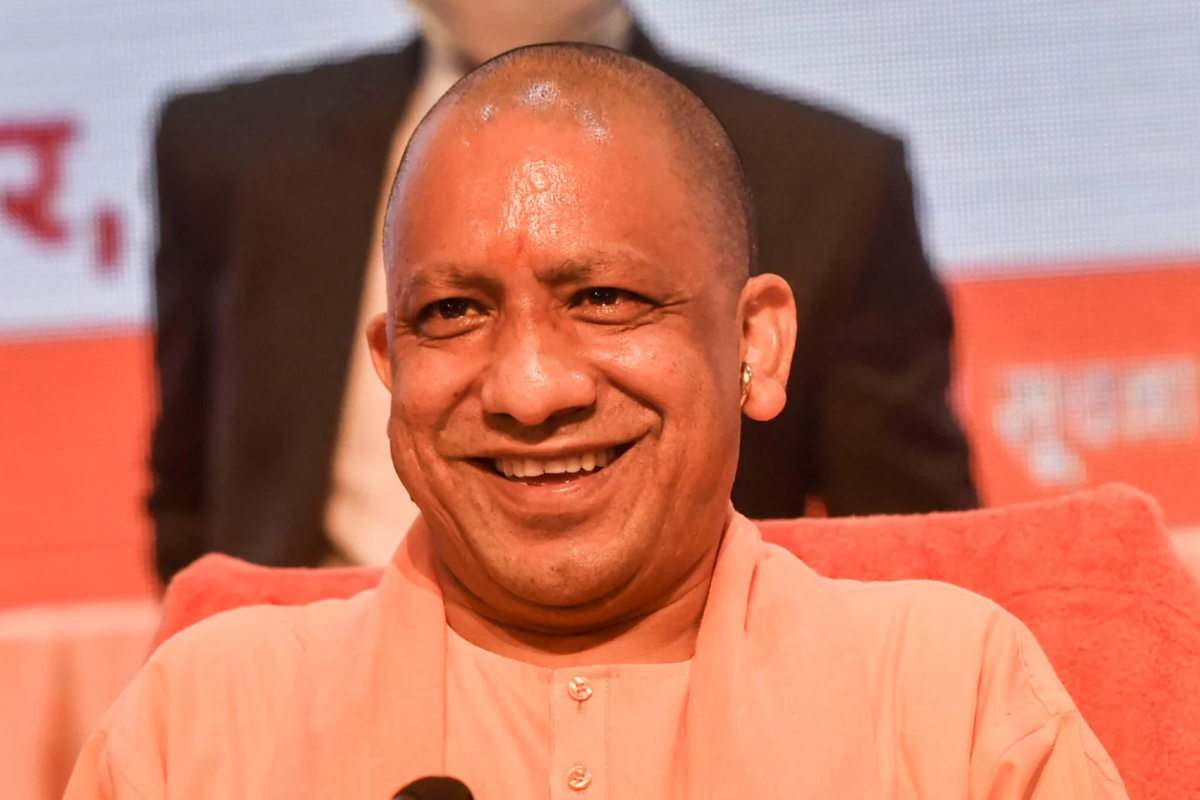
Chief Minister Yogi Adityanath welcomed the recognition in a post on X, congratulating the people of Uttar Pradesh and describing the designation as a reflection of the state’s natural heritage and commitment to conservation. He also acknowledged Prime Minister Narendra Modi’s leadership in promoting environmental protection.
DON'T MISS
Sauj Jheel Becomes Uttar Pradesh’s Latest Ramsar Site: CM Yogi Adityanath
According to the Ramsar Convention’s announcement on October 15, 2026, Sauj Jheel in Uttar Pradesh has been added to the List of Wetlands of International Importance. The lake is located in the floodplain of the Ganga River and is surrounded by agricultural land.
The wetland supports diverse vegetation, including lotus and wild sugarcane, and provides nesting, breeding and feeding habitats for wildlife. It is particularly significant for waterbirds, regularly supporting more than 30,000 individual responsibility ording to the Ramsar site information.
India’s Ramsar Site Count Rises to 103
Union Environment Minister Bhupender Yadav announced that India’s Ramsar site tally had reached 103 with the inclusion of Sauj Jheel and Sukhna Wetland in Chandigarh.
Ramsar recognition identifies wetlands of international importance and highlights their ecological value. Such wetlands can support biodiversity, water security, climate resilience and local livelihoods.
Yogi Adityanath Welcomes Recognition
Adityanath called the designation a proud moment for Uttar Pradesh and said the recognition reflected the state’s rich natural heritage and commitment to preserving it for future generations.
He congratulated the people of the state on the achievement, linking the recognition to wider efforts to protect India’s wetlands and natural ecosystems.
Conservation Remains Key After Ramsar Designation
The Ramsar status brings international recognition to Sauj Jheel, while also highlighting the importance of protecting its habitats and wildlife. The Ramsar Convention has identified potential management measures for the wetland, including seasonal fishing restrictions, controls on fine-mesh fishing nets and measures to manage livestock access.
Effective conservation and continued monitoring will be important to maintaining the lake’s ecological value over the long term.