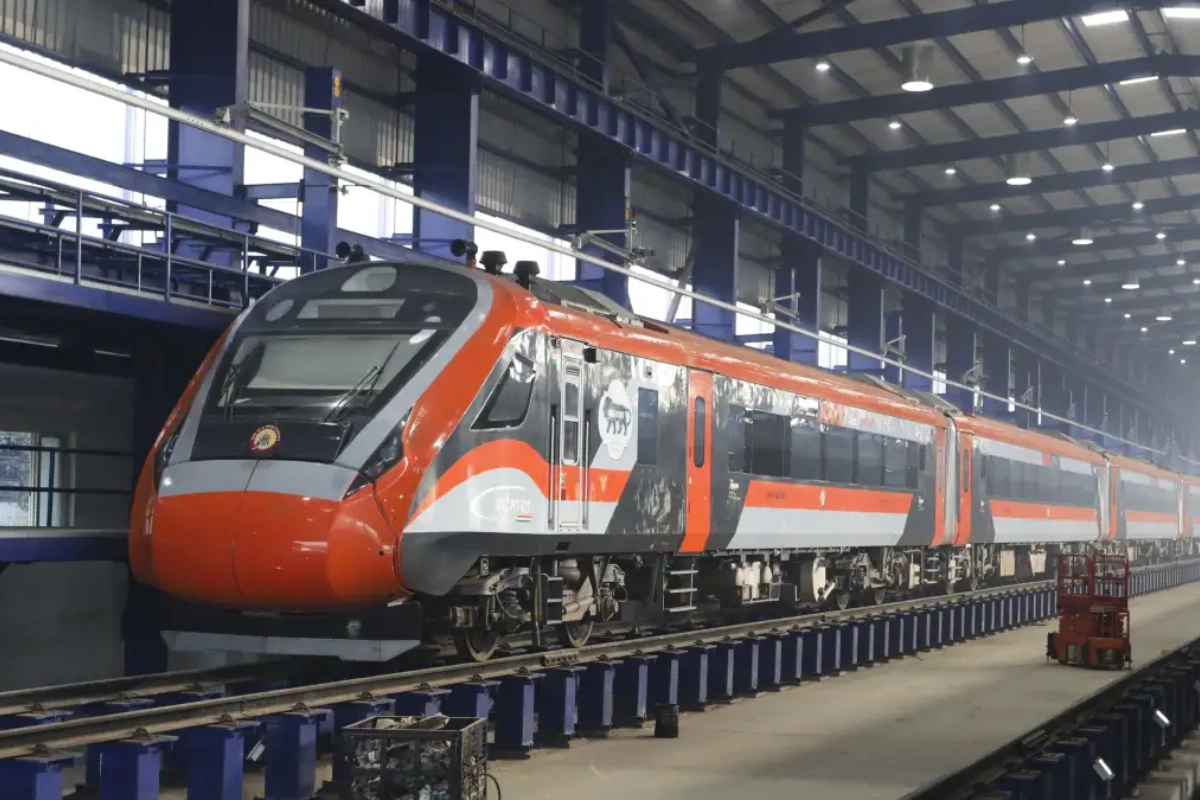
UP News: Indian Railways would launch two Amrit Bharat Trains between the states of Uttar Pradesh and Maharashtra on April 28, 2026 by Prime Minister Narendra Modi. The launch of the two trains would greatly benefit pilgrims, daily commuters, students, business owners and long-distance travellers.
UP News-What’s Special?
The first of the two trains, numbered 22589/22590, will operate between Varanasi and Hadapsar in Pune. Covering key junctions such as Prayagraj, Jhansi, Itarsi and Bhusaval, the train is expected to complete its journey in approximately 28 to 30 hours.
DON'T MISS
The second train will connect Ayodhya directly to Mumbai, passing through multiple states including Uttar Pradesh, Madhya Pradesh and Maharashtra. The corridor is particularly noteworthy as it links prominent religious centres with the country’s financial capital, creating a seamless bridge between faith and commerce.
Benefits For The Common Man
From a passenger’s perspective, the introduction of these services promises tangible benefits. The Amrit Bharat trains are designed with non-AC coaches, focusing on affordability without compromising on essential comfort. With a higher number of sleeper and general compartments, the trains cater to a demographic that often relies on economical travel options for long-distance journeys.
For pilgrims, these routes could prove transformative. Cities like Varanasi and Ayodhya hold immense religious significance, attracting millions of visitors each year. Direct connectivity to Pune and Mumbai eliminates the need for multiple train changes, a challenge that has long plagued travellers undertaking such journeys.
The improved connectivity between Uttar Pradesh and Maharashtra could act as a catalyst for trade and labour mobility. Uttar Pradesh, with its vast population and growing industrial base, stands to gain from easier access to Maharashtra’s well-established markets. Conversely, Maharashtra’s industries could tap into a broader workforce pool and new consumer segments in northern India.
Historically, infrastructure development has often preceded industrial growth. Better transportation reduces logistical costs, shortens delivery timelines and enhances supply chain efficiency. Agricultural producers could also benefit from improved market access, potentially leading to better price realisation for their goods.