

AAP leader Anurag Dhanda on Friday criticised the handling of pollution in Delhi, alleging that Chief Minister Yogi Adityanath’s remarks have exposed shortcomings in the functioning of the BJP government in the national capital.
Anurag Dhanda Targets Yogi Adityanath And Rekha Gupta
In a social media statement, Dhanda claimed that pollution levels in Delhi have worsened significantly and questioned why, according to him, no effective action had been taken by the administration. He referred to previous public comments while raising concerns over air quality management and governance.
Opposition leaders have frequently used pollution data
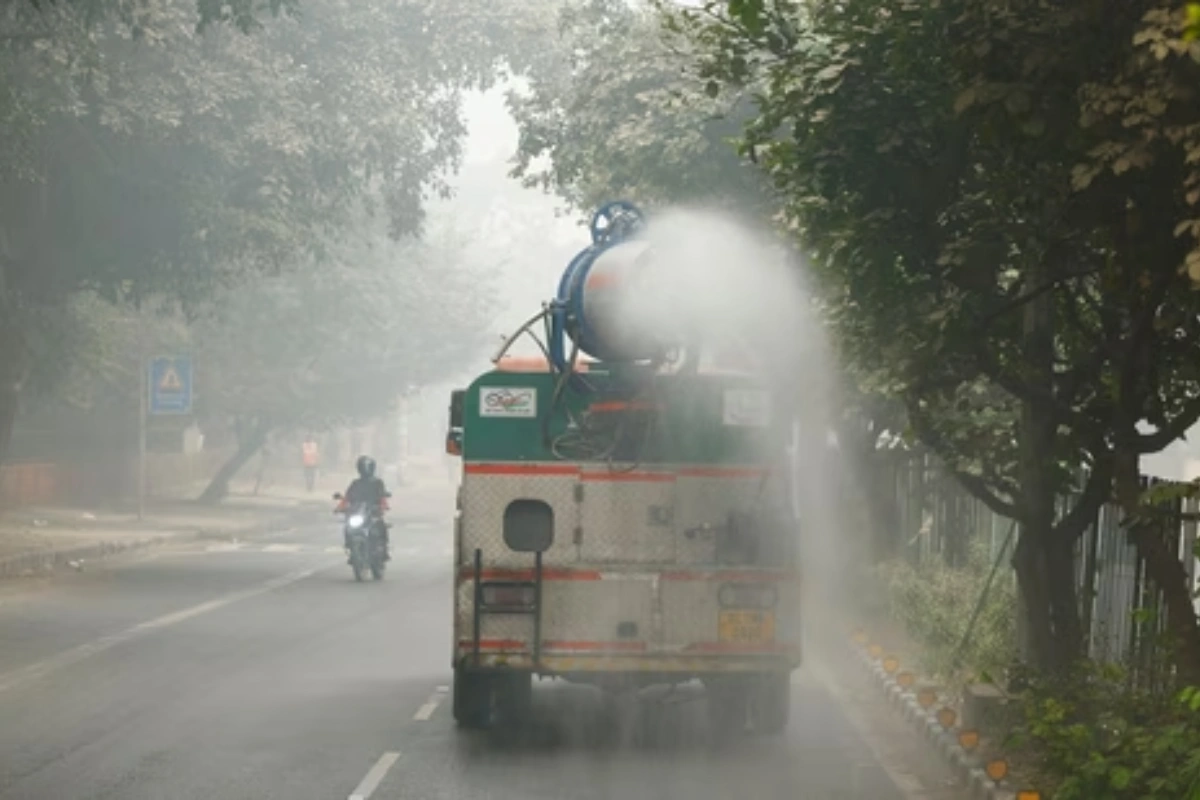
The remarks come amid ongoing political exchanges between parties over environmental issues, particularly air pollution, which remains a recurring concern in the capital during several months of the year. Opposition leaders have frequently used pollution data and seasonal air quality reports to criticise ruling governments, while authorities typically cite multi-state factors such as crop burning, weather conditions, and vehicular emissions.
Political observers say such statements are part of intensifying rhetoric among rival parties as environmental governance becomes a prominent political topic. Analysts note that air quality debates often resurface in public discourse whenever pollution levels rise or when leaders highlight administrative performance.
There was no immediate response from representatives of the Bharatiya Janata Party or from officials linked to Rekha Gupta regarding the allegations at the time of reporting.
Supporters of Dhanda said the statement was intended to draw attention to what they described as gaps in pollution-control measures and to push for stronger accountability from authorities. They argued that addressing air pollution requires consistent policy implementation, monitoring, and coordination among civic bodies and environmental agencies.
Environmental experts note that tackling urban air pollution typically involves a combination of long-term structural reforms and short-term emergency responses, such as regulating construction dust, managing traffic emissions, improving public transport, and controlling industrial pollutants. They stress that sustained coordination between neighbouring states is often necessary, especially in regions affected by seasonal factors.


