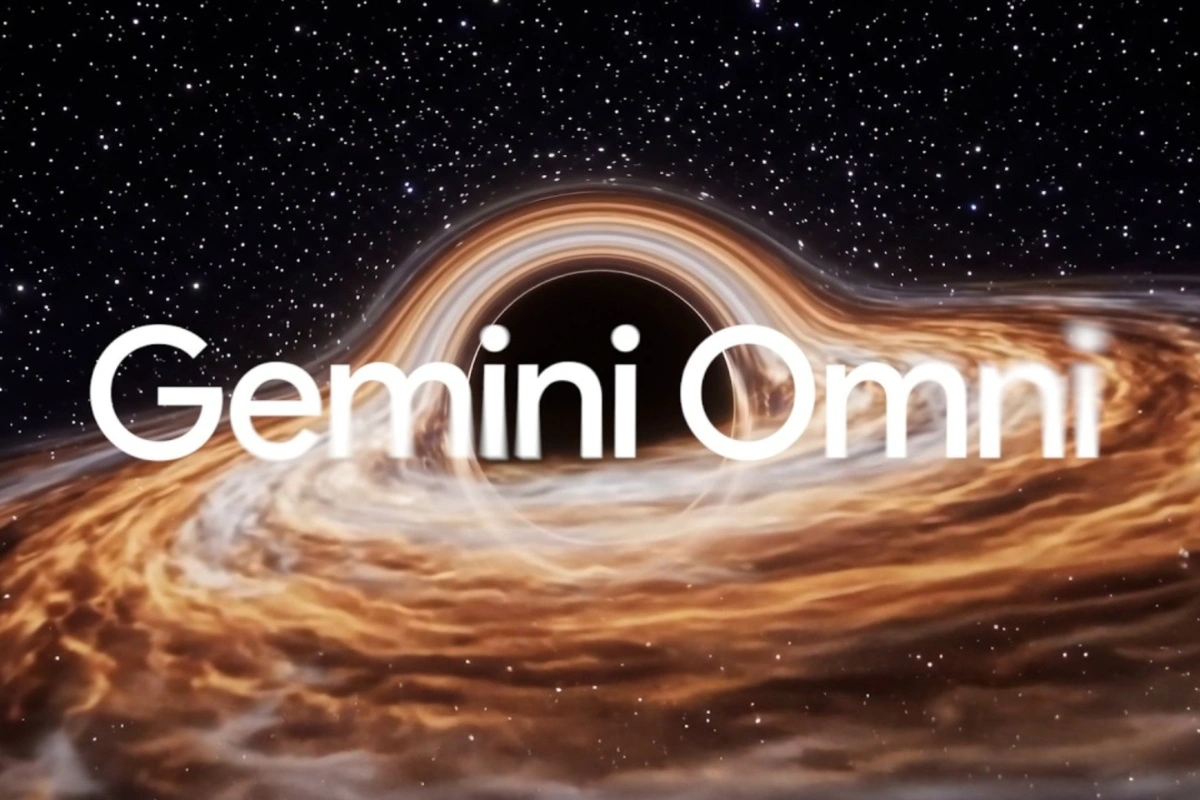
Google has once again shaken the AI world. At Google I/O 2026, the tech giant unveiled Gemini Omni, a powerful new AI model capable of creating and editing videos using simple voice or chat commands. The announcement triggered excitement, fear and massive debate online, with many users asking the same question — will human video editors still matter in the future?
Unlike traditional editing software that requires technical skills, timelines layers and manual cuts, this new offering allows users to simply “talk” to the AI. Users can reportedly change backgrounds, swap characters, edit scenes, remix clips and generate entirely new videos just by giving conversational instructions.
What Exactly Is Gemini Omni?
Gemini Omni is a new family of multimodal AI models introduced by Google during its annual developer conference. The first version (Gemini Omni Flash) focuses heavily on AI-powered video generation and conversational editing.
According to reports, the tool can understand text, images, audio and existing videos together. This means users can upload a video and simply tell the AI what changes they want.
For example:
- “Make the background rainy.”
- “Replace this person with another actor.”
- “Turn this into a cinematic trailer.”
- “Add dramatic music and faster cuts.”
The AI then edits the video automatically within seconds.
Google DeepMind CEO Demis Hassabis said the long-term goal is to create “any output from any input.”
Why Gemini Omni Is Scaring Creators
The biggest talking point around Gemini Omni is not just convenience — it is automation.
For years, video editing required expensive software, technical training, and professional editors. However, Gemini Omni could drastically reduce that barrier. Many social media users and creators are now worried that AI tools may replace entry-level editors, short-form content creators, and even production teams in the coming years.
Several reports suggest the AI can already:
- edit clips through chat
- remix existing videos
- generate scenes from prompts
- and even insert a user’s likeness into videos
That last feature has also sparked concerns around deepfakes and AI misuse.
DON'T MISS
Industry experts believe tools like Gemini Omni may especially impact:
- YouTube editors
- Instagram Reel creators
- Ad agencies
- Freelance editors
- And small production houses.
Google’s Bigger AI Plan
Gemini Omni is not launching alone. Google announced a wider AI expansion across Search, YouTube, Workspace, Android and content creation tools during Google I/O 2026.
The company is pushing what it calls the “Agentic Gemini Era,” where AI does more than assist users — it actively performs tasks for them.
Gemini Omni will reportedly integrate with:
- The Gemini app,
- Google Flow,
- and YouTube Shorts.
This could allow creators to generate social media videos almost instantly without needing traditional editing apps.
Is This Really The End For Human Editors?
Not entirely — at least for now.
While it looks extremely advanced, many professionals believe human creativity, storytelling instincts, emotional timing and artistic direction still cannot be fully replaced by AI.
However, experts also warn that the editing industry may rapidly change. Editors who rely only on technical skills could face tougher competition, while creators who combine AI tools with creative thinking may gain a huge advantage.
The bigger concern is speed. AI tools like Gemini Omni are making professional-level editing accessible to almost anyone with a smartphone and an idea.
And that may completely reshape the creator economy faster than many expected.
Why Gemini Omni Is Going Viral
One major reason Gemini Omni is trending is because it feels less like a normal AI chatbot and more like an “AI production studio.”
The internet has already started comparing it with tools from OpenAI, Runway and Pika Labs. But Google’s biggest advantage may be ecosystem integration. Since Google already owns YouTube, Android, Search and Workspace, Gemini Omni could become deeply embedded into everyday content creation.
For creators, this may unlock massive possibilities. For traditional editors, it may also become a serious wake-up call.