

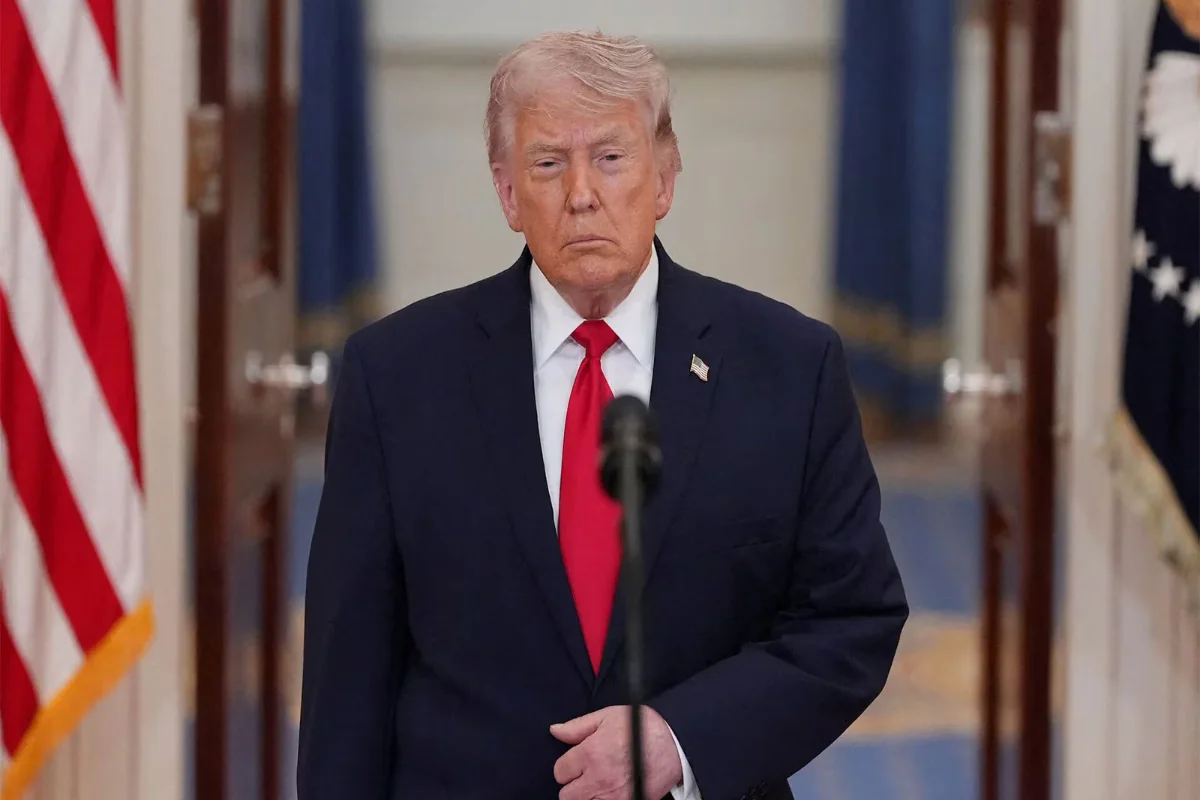
Donald Trump: US President Donald Trump has once again brought India-US trade relations in focus. With his recent tariff announcement, there is a sense of anticipation whether India will be able to avail the 17% duty cut or will be subjected to a 25% tariff increase.This has thrown up some key questions for Indian companies, exporters and policymakers. Although a lower tariff has the potential to provide some respite to Indian manufacturers exporting in the US market, the looming threat of a further 25% tax could further complicate matters.
Why Did Donald Trump Put India in a 17% or 25% Tariff Situation?
US trade representative Jamieson Greer, Washington has recommended tariffs of 25% or below, on Indian exports of goods under a section 301 investigation. The US also proposed that the tariff could be limited to 17% if India and the US reach a trade agreement.In the event of a solution between the US and India, Indian products could be taxed under the more favourable tariff rate. If the negotiations break down, the US could implement the 25% tariff.
What Is the Reason Behind the Fresh US Tariff Threat?
The Trump administration has taken issue with India’s so-called excess industrial capacity on a structural basis. Washington has challenged India’s manufacturing policies, labour protections, financial practices and restrictions on access to markets.The US claims these policies make life difficult for American manufacturers and impact their competitiveness. India has, however, dismissed the charge that it has structural excess capacity in a sector.The Trade Ministry of India has said it is reviewing the newest notification and feels that trade-related issues should be tackled through long-running discussions for a bilateral commerce deal.
DON'T MISS
How can India be benefited from 17% Tariff?
A tariff of 17% may boost the competitiveness of Indian exports in the American market relative to those of some other competitors.Under the draft rates, Bangladesh, Cambodia, Indonesia, Malaysia and Thailand would all face a proposed 18% rate once all the trade arrangements are completed. Vietnam and China have been set a proposed 20% rate as per the draft.
What Happens If India Fails to Reach a Trade Deal?
A harder situation might develop if India and the US are unable to reach a trade deal.Up to 25% tariff on a number of Indian goods might potentially lead to a cost increase of their exports to the US markets, and in this regard, jewelry, apparel, shrimp, and solar goods may come under pressure if these become a part of the final tariff basket. However, there are certain exceptions, such as patented pharmaceutical articles and semiconductor products. Also, the steel, aluminium, copper, and automobiles, for which there are separate tariffs for national security are not included in this proposal.
Is the 17% Offer a Relief or a Negotiation Strategy?
The 17 percent offer appears to be a silver lining for India, but it increases the urgency for Delhi to clinch a trade deal with Washington. GTRI has cautioned that the reduction in the tariff offer may lead to attempts to extract increased trade benefits from India. This begs the question as to how much India would have to bargain for enhanced access to the US market. At this stage, however, the proposal is not a fully implemented tariff ruling. US investigation and bilateral discussions will become a deciding factor.


