

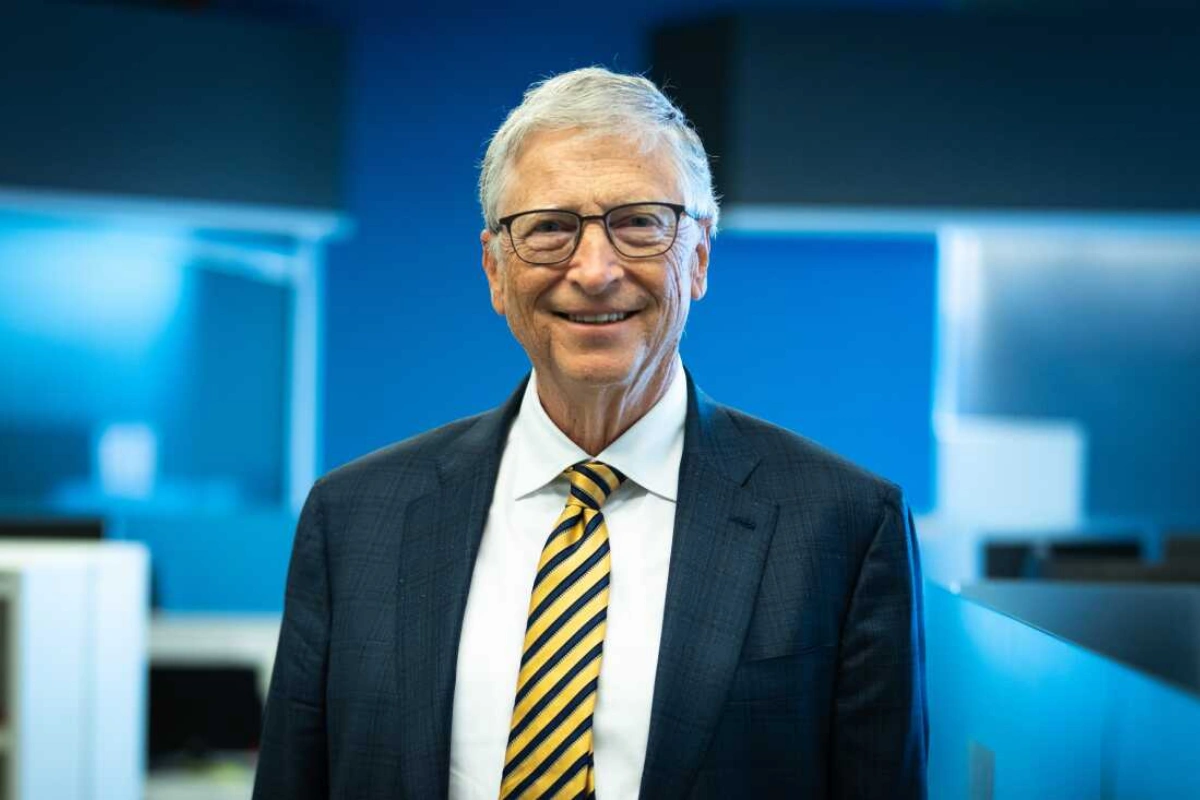
Bill Gates has publicly addressed his past ties to Jeffrey Epstein, apologizing for them. The statement has triggered a global debate on ethics, accountability, and the responsibilities of influential public figures.
What Happened?
Bill Gates returned to international news coverage after documents connected him to Jeffrey Epstein through reports that emerged in the media. Gates publicly addressed the situation when public interest peaked, explaining his earlier connections and expressing regret for specific choices he had made.
DON'T MISS
Bill Gates’ Response and Apology
Gates broke his silence by admitting that his past meetings and associations were a mistake. He explained that he interacted with Epstein for work purposes, but he considered this contact a major professional judgment mistake. His apology shows him trying to accept responsibility, yet it creates new doubts about his knowledge of Epstein, about his intentions, and his obligations as a person with great power.
Global Debate on Ethics and Accountability
The issue has now moved beyond just one individual. The situation has sparked public discussion of two main topics that need to be examined.
- Role of Public Figures
People are questioning whether influential personalities should be held to higher ethical standards, especially when their actions can impact public trust.
- Accountability vs Reputation
The situation has sparked debate over whether apologies are enough or whether stronger accountability measures are needed.
- Power and Influence
The controversy reveals how elite groups operate, as their members use their influence to maintain secret relationships within their inner circles.
Public Reactions
The public response showed two opposite reactions, both with strong emotional intensity. Some people value the apology, which shows a willingness to resolve the matter, while others demand more detailed information along with responsibility for the actions.


