

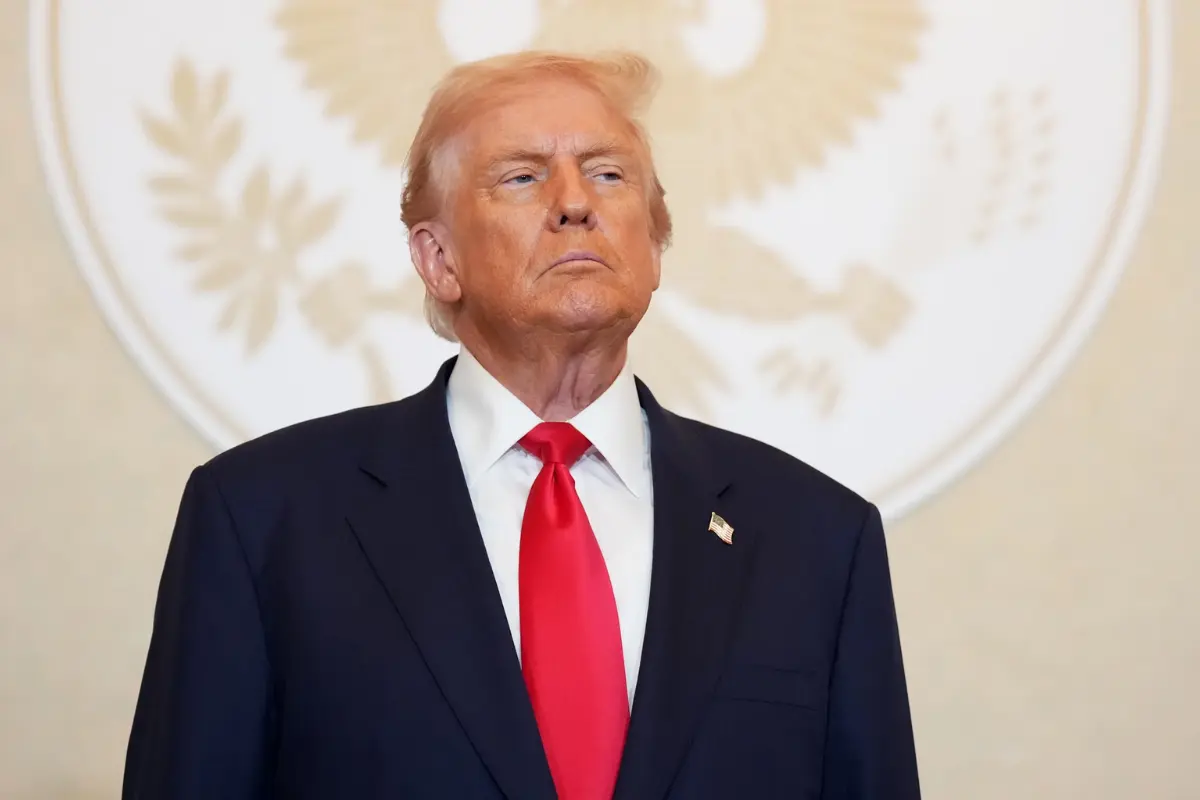
Donald Trump: Donald Trump has shown support for a proposal to slap very high tariffs on countries that continue to conduct their energy trade with Russia. The plan is intended to put pressure on Russia using economics as Ukraine engages in a conflict.
“The remark is consistent with Trump’s established ‘America First’ policy in international trade, in which he prefers tough action involving tariffs to shape international behaviour.”
DON'T MISS
The Importance of India to the Argument
As the world’s second-most India has recently emerged as one of the biggest procurers of cut-price Russian crude oil from 2022. This has helped India control inflation and stabilise fuel supplies to fuel its economic growth.
The Indian government has repeatedly explained that these acquisitions are according to international laws and are also based on the nation’s economic interests, not political affiliations.
Is a 500% Tariff Realistic?
According to trade analysts, the imposition of a 500% tariff will be extremely hard. It could violate the World Trade Organisation (WTO) rules and could be an invitation to other countries for retaliation.
Moreover, the implementation of such tariffs would need even stronger political support in the United States, including Congressional support, even if Trump were to come back to
It may have an impactful influence on the global economy.
Analysts estimate that the immediate impact on the global economy would be limited, since India could diversify export destinations or seek alternative trade arrangements. At the same time, the US regards India as a diplomatically sensitive strategic partner.
Global Energy Market Effect: What It Means for India
Any restrictive moves on Russian oil trade would heighten volatility in global energy markets. With reduced supply flexibility, this may lead to high prices and affect consumers worldwide, including India, rather than isolating Russia alone.
While the remarks from Trump signal a tougher economic nationalism, their real-world impact depends on political feasibility and global cooperation. As things stand today, the proposal remains more rhetoric than policy.


