

Global crude oil prices have surged after attacks on Saudi Arabian energy infrastructure forced the shutdown of a critical pipeline, reviving fears of a prolonged supply crunch across the Gulf region.
Why Prices Are Climbing
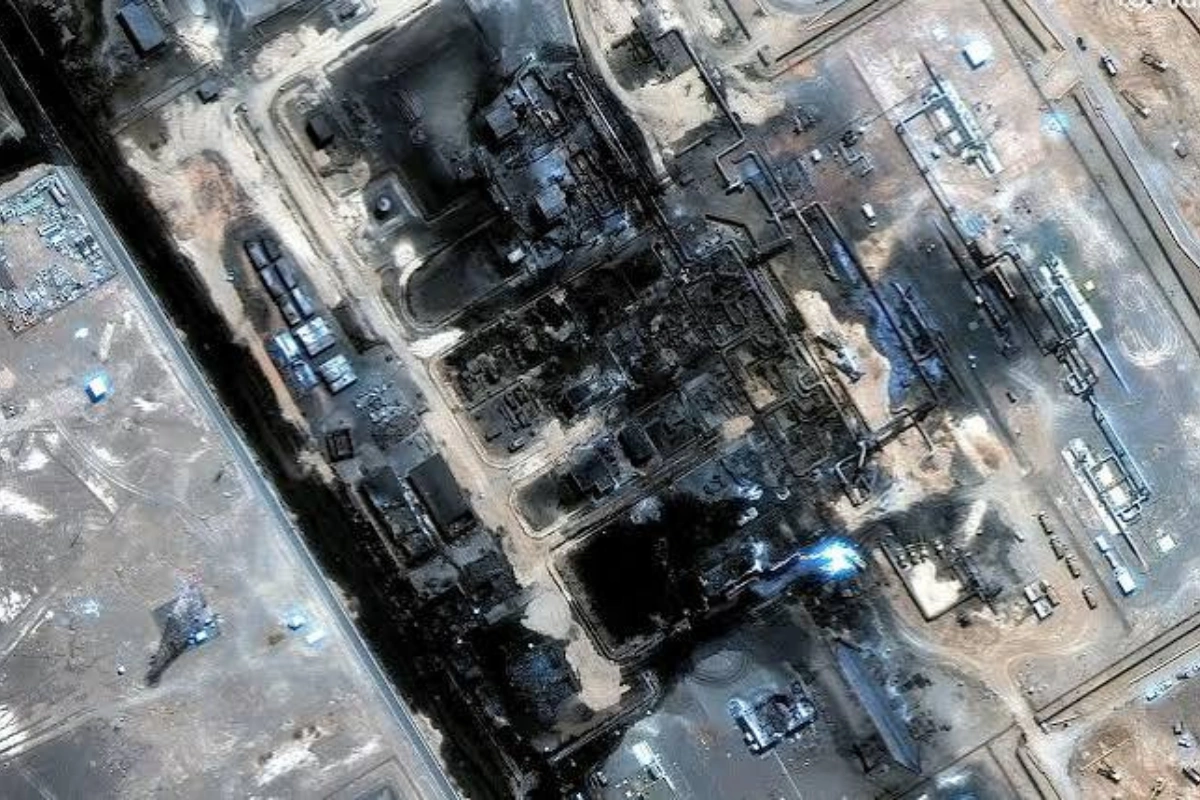
Brent crude futures rose sharply, touching close to $108 a barrel, while U.S. West Texas Intermediate advanced toward $103, with prices gaining roughly 9% over the past week as regional tensions escalated. The rally follows Saudi Arabia’s decision to suspend operations on its East-West pipeline after drone attacks caused damage and injuries in the Riyadh and Madinah regions.
DON'T MISS
The Pipeline at the Centre of the Crisis
The East-West pipeline carries up to seven million barrels per day of capacity and is central to Saudi Arabia‘s strategy of routing crude to its Red Sea export hub at Yanbu, bypassing the Strait of Hormuz entirely. With the pipeline offline, traders warn that as much as 4% of global oil supply, around 4 million barrels a day, could be at risk. Regional officials say repairs could take three to five weeks, with the line potentially running only partially in the meantime.
Escalating Regional Attacks
The disruption comes amid a wider spike in hostilities. Houthi forces in Yemen have struck Saudi energy and military targets in recent days, while also advancing along the Bab el-Mandeb Strait, another key chokepoint for tanker traffic. Shipping through the Strait of Hormuz has also fallen below its 10-day average, and a tanker reportedly caught fire after an attack over the weekend.
With a planned regional meeting in Oman postponed and no clear timeline for restoring full pipeline flow, analysts say prices could climb further if the outage drags on. Markets will be watching closely for signs of de-escalation, as well as any government response aimed at stabilising Gulf oil exports.


