

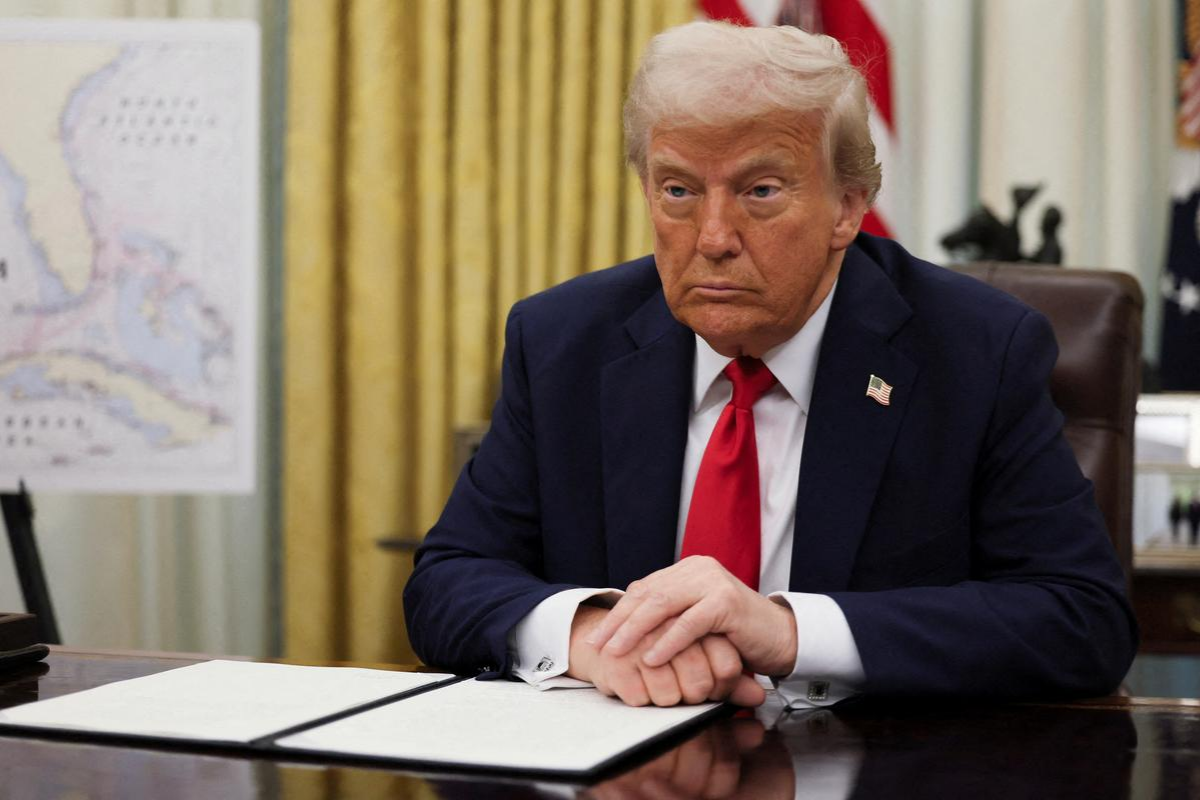
Donald Trump: Donald Trump return to power is reviving a confrontational style of leadership that challenges long-standing global norms. From trade wars to hardline foreign policy moves, his actions signal a shift that could reshape the existing world order.
1. Military Action and Strategic Raids Abroad
In early 2026, the United States conducted a high-profile military operation resulting in the capture of Venezuelan leader Nicolás Maduro. This incident raised global concerns about U.S. interventionism and resource politics. Critics argue this move reflects a departure from traditional diplomacy toward a more coercive style of foreign policy.
DON'T MISS
2. Push for Greenland and Western Alliances Strained
Trump’s renewed efforts to bring Greenland under U.S. control have ignited transatlantic tensions. His threats to impose tariffs on NATO and EU countries that refuse support for U.S. control of the Arctic territory reflect a break. European leaders have warned that such actions could imperil alliance unity and disrupt the rules-based global order.
3. Escalating Tariff Wars With Allies
Beyond Greenland, Trump has imposed or threatened tariffs on multiple trading partners in retaliation for diplomatic resistance. This includes announcing levies of up to 25% on imports from European nations and other “non-supportive” allies. His decision to move away from traditional trade diplomacy contributed to a new era of punitive economic policy that redefined U.S. trade relations.
4. Re-Igniting Large-Scale Global Trade Conflicts
Trump’s broader tariff strategy extends beyond Europe, reviving and expanding trade wars first seen with China. These protectionist actions have disrupted global supply chains, prompted retaliatory measures and encouraged trading partners to diversify away from U.S. markets, weakening the existing multilateral trade system.
5. Rejection of Multilateral Trade Pacts
From withdrawing the U.S. from the Trans-Pacific Partnership to challenging existing trade agreements, Trump’s economic nationalism has shifted global trade dynamics. These decisions have weakened cooperative frameworks and encouraged alternative regional blocs with enduring effects on international economic governance.


