

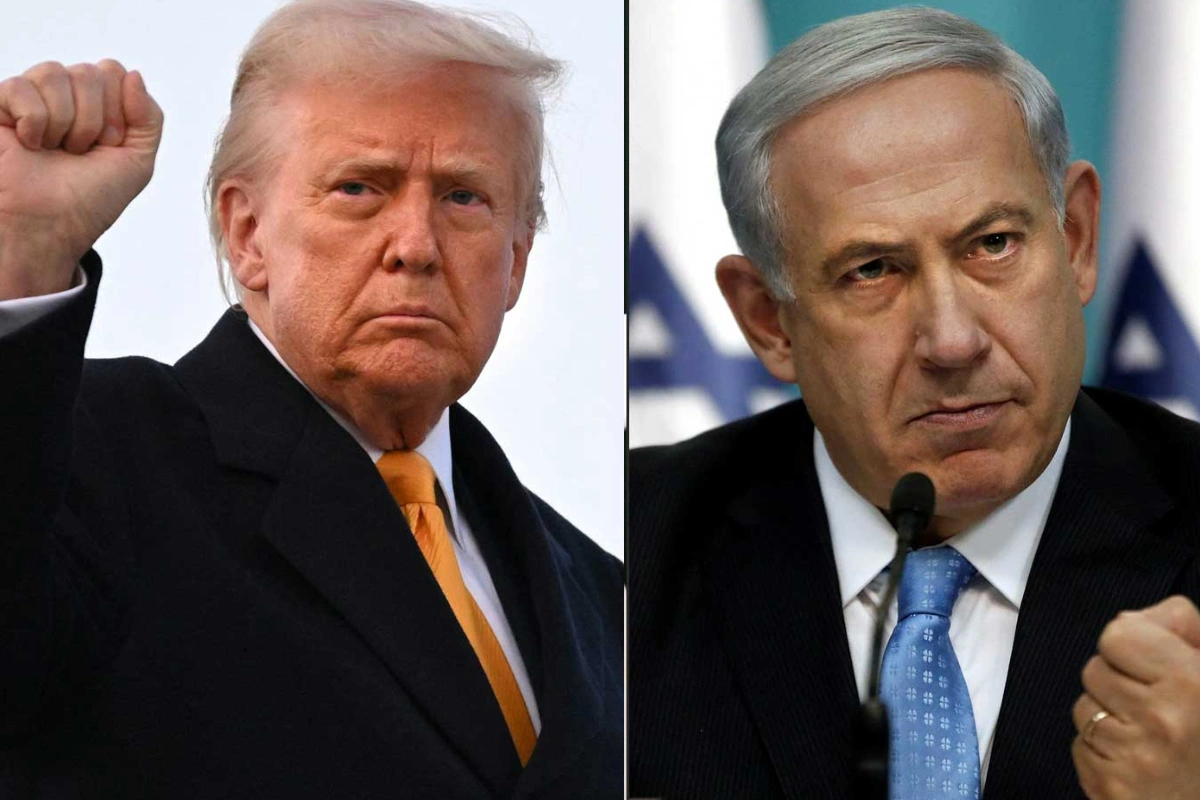
Iran USA Ceasefire: The Islamic Republic of Iran is presently reviewing a new proposal by the Donald Trump administration. Tehran has remarked that its response would soon be communicated to America via Pakistan.
The news was greeted by global markets. Oil prices fell sharply to lows of two weeks as optimism grew about a possible end to the ongoing Middle East crisis. For weeks, military strikes, retaliatory attacks and fears of disruption in the Strait of Hormuz had rattled global markets, triggered panic in energy trading circles, and revived memories of previous Gulf crises.
DON'T MISS
Impact On Global Markets And Economies
The Middle East has already witnessed devastating consequences from prolonged instability, with attacks spreading across strategic zones involving Iran-backed groups, US military assets and regional allies.
The conflict’s ripple effects have extended far beyond the battlefield. Oil prices surged sharply during the height of hostilities, threatening inflationary pressures across global economies. Investors rushed toward safe-haven assets while equity markets faced severe volatility.
Brent crude prices retreated significantly from their highs, easing concerns over supply disruptions and offering relief to import-dependent economies like India. Global stock indices rebounded, currencies stabilized and investors cautiously returned to risk assets.
Iran USA Ceasefire-Strategic Cost of the Middle East Escalation
The recent escalations between Iran, the United States and allied forces have inflicted considerable human and infrastructural damage across the Middle East. Reports indicate that hundreds of lives have been lost through direct strikes, proxy warfare and retaliatory military operations.
The Strait of Hormuz that facilitates the passage of nearly one-fifth of global oil supply has become a focal point of concern. Any disruption in this maritime corridor any long could trigger catastrophic economic consequences for energy-importing nations.
The Indian equity markets witnessed renewed buying interest in sectors such as aviation, paints, automobiles and consumer goods. The rupee also marginally stabilized against the US dollar as concerns over widening current account deficits have slightly eased.